Practice planning a citizen science investigation by writing questions, choosing variables, designing data collection methods, and thinking about accuracy and ethics.
Read each problem carefully. Answer in complete sentences when explaining your thinking. Show your planning steps in the space provided.
Plan a reliable community science project
Science - Grade 6-8
- 1
A class wants to create a citizen science project about birds seen near the school. Write one testable research question they could investigate.
- 2
For the research question, How does the amount of litter in a park change after a weekend? identify the independent variable and the dependent variable.
- 3
Explain why a citizen science investigation should use the same data collection method for every volunteer.
- 4
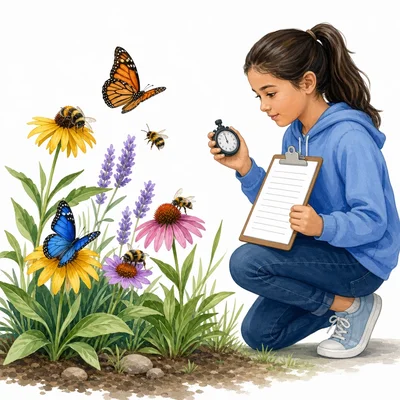
A project asks volunteers to count pollinators visiting flowers for 10 minutes. Name two details that should be included in the instructions so the data are more reliable.
- 5
A student writes this project question: Are streams healthy? Rewrite it as a more specific and testable citizen science question.
- 6
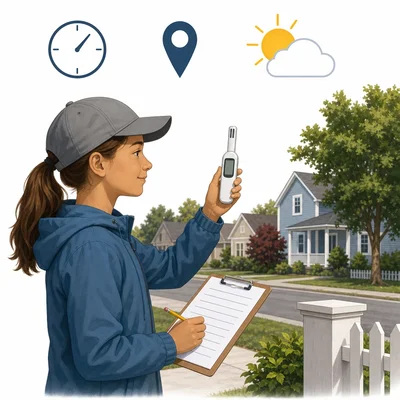
A team wants volunteers to measure air temperature around town. List three pieces of information that volunteers should record with each temperature measurement.
- 7
Look at this sample data plan: Volunteers will count ants anywhere they want, for as long as they want, and report the total number. Identify two problems with this plan and explain how to improve them.
- 8
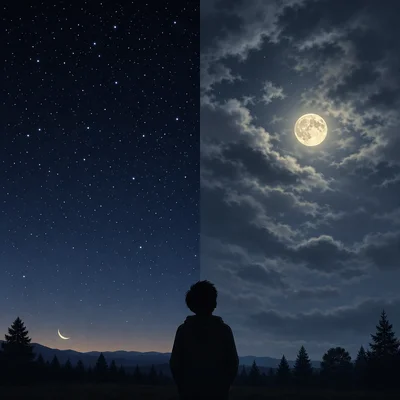
A citizen science project studies light pollution by asking people to count visible stars. Why is it important to record the weather and moon phase during each observation?
- 9
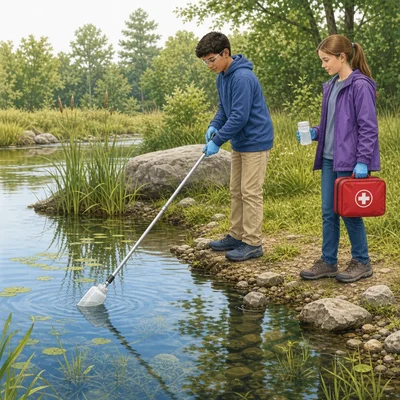
Write a short set of safety rules for volunteers collecting water samples from a local pond or stream.
- 10
A project needs data from many neighborhoods. Explain one reason citizen scientists can be helpful for this type of investigation.
- 11
A volunteer reports seeing a rare frog species but does not include a photo, sound recording, location, or date. Explain why the report may be difficult for scientists to use.
- 12
Create a simple data table layout for a citizen science project that tracks butterflies in a garden. Include at least four column headings.
- 13
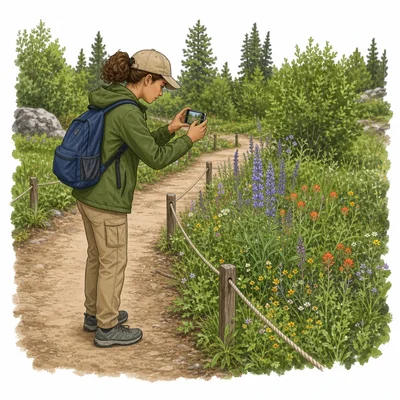
A citizen science project asks volunteers to photograph plants. Explain why the project should include rules about not picking plants or stepping off marked trails.
- 14
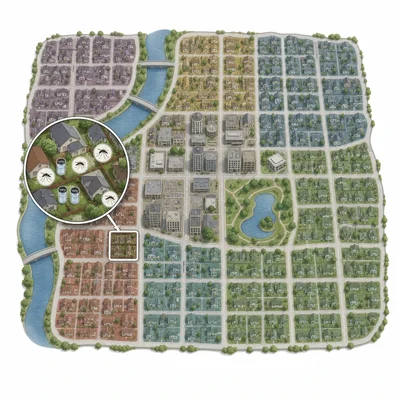
A group collects mosquito data from 5 backyards in one neighborhood and then claims the results describe the whole city. Explain why this conclusion may not be supported.
- 15
Design the outline of a citizen science investigation about one local environmental issue. Include the research question, the data volunteers will collect, one way to keep data reliable, and one safety or ethics rule.