Practice identifying and explaining weathering, erosion, and deposition and the forces that shape Earth's surface.
Read each problem carefully. Show your thinking and write complete answers in the space provided.
How Earth's surface changes over time
Earth Science - Grade 6-8
- 1
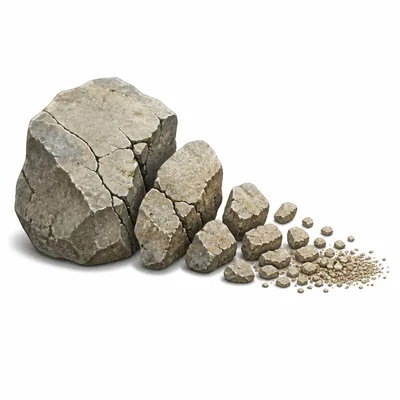
Define weathering in your own words.
- 2
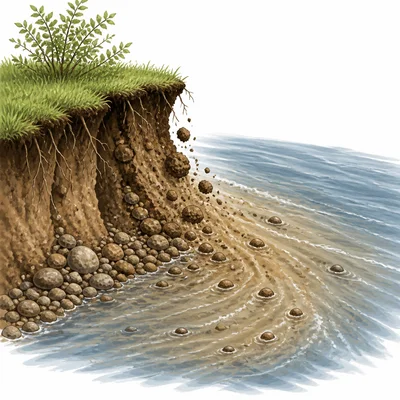
Define erosion in your own words.
- 3
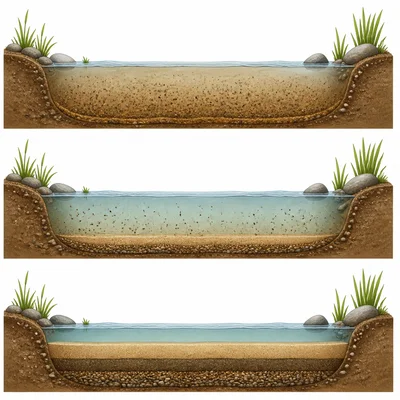
Define deposition in your own words.
- 4
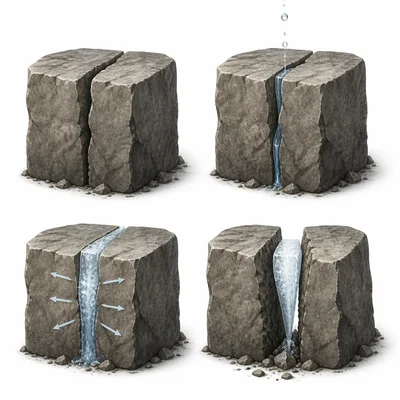
A rock cracks after water seeps into it, freezes overnight, and expands. Is this weathering, erosion, or deposition? Explain.
- 5
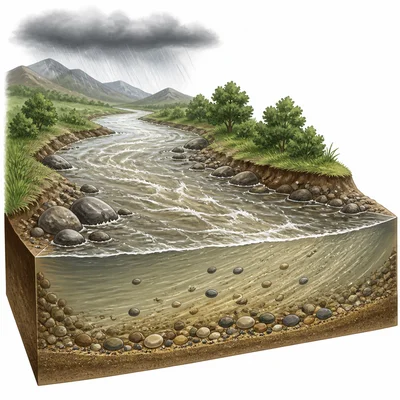
A river carries sand and small pebbles downstream during a storm. Is this weathering, erosion, or deposition? Explain.
- 6
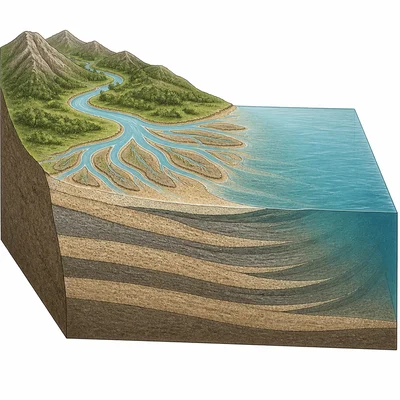
At the mouth of a river, the water slows down and drops layers of mud and sand. Is this weathering, erosion, or deposition? Explain.
- 7
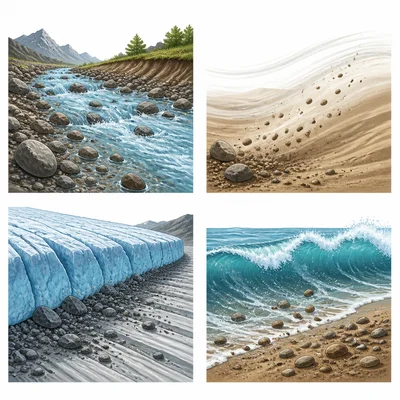
Name two agents of erosion and give one example of how each can move sediment.
- 8
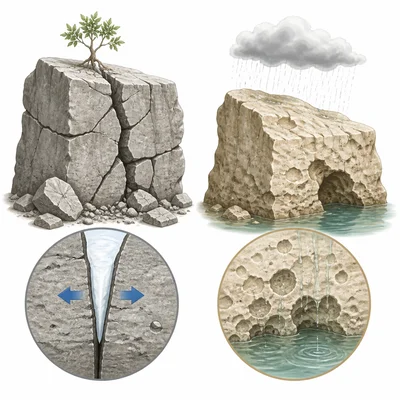
Explain the difference between mechanical weathering and chemical weathering.
- 9
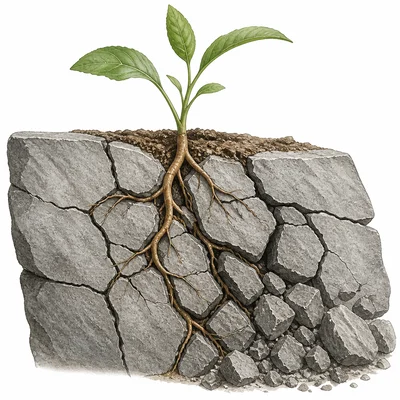
How can plant roots cause weathering?
- 10
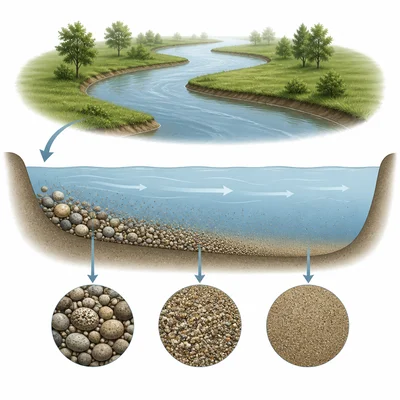
Why do larger sediments usually get deposited before smaller sediments when water slows down?
- 11
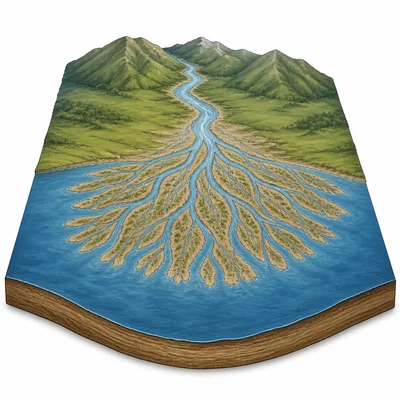
Describe one landform created mainly by deposition and explain how it forms.
- 12
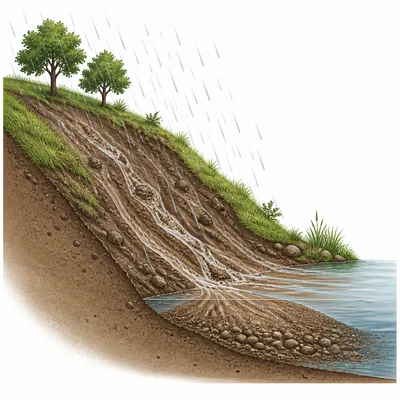
A steep hillside loses soil after heavy rain, and the loose material collects at the bottom of the slope. Identify one part of this event as erosion and one part as deposition.