Practice identifying and comparing insects, arachnids, and mollusks using their body parts, habitats, and behaviors.
Read each problem carefully. Use what you know about animal body structures and groups to answer in complete sentences.
Classifying animals by body structures and traits
Biology - Grade 4-5
- 1
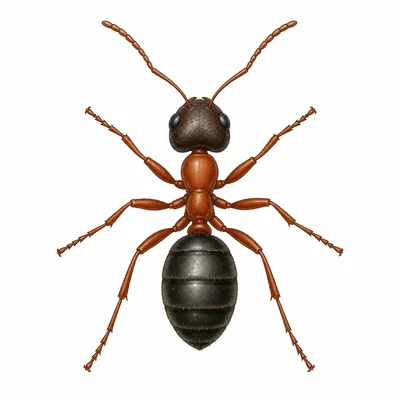
An animal has six legs, three body parts, and two antennae. Is it an insect, an arachnid, or a mollusk? Explain how you know.
- 2
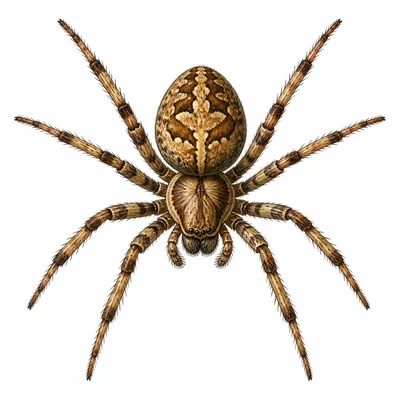
A spider has eight legs and no antennae. Is a spider an insect, an arachnid, or a mollusk? Explain your answer.
- 3
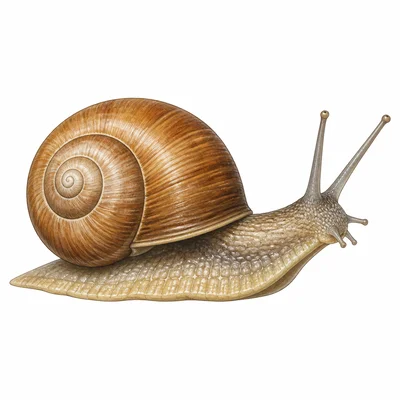
A snail has a soft body and often carries a shell. Is it an insect, an arachnid, or a mollusk? Explain how you know.
- 4
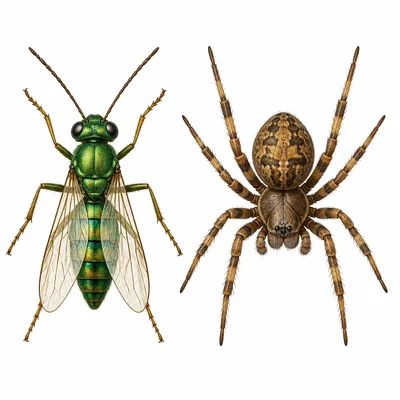
Name one way insects are different from arachnids.
- 5
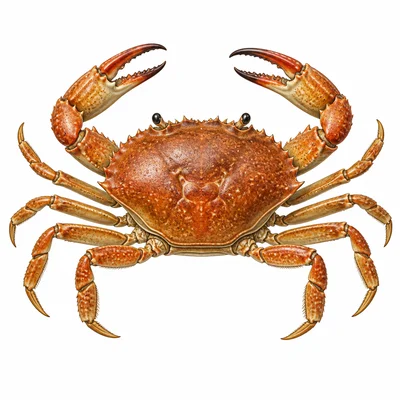
A crab is not one of the three groups in this worksheet. Explain why a crab is not an insect, arachnid, or mollusk.
- 6
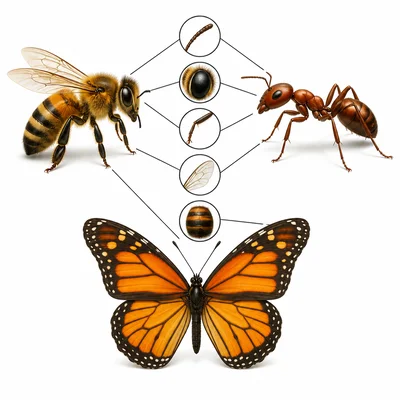
A bee, an ant, and a butterfly all belong to the same group. What group is it, and what trait do they share?
- 7
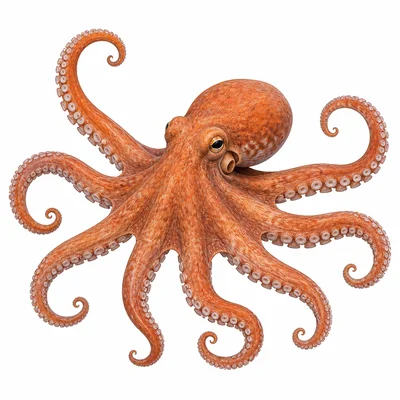
Why is an octopus classified as a mollusk even though it does not have a shell?
- 8
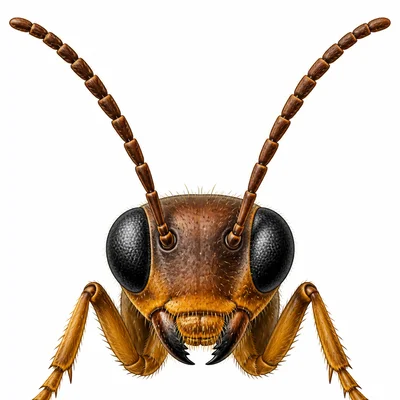
Which group usually has antennae: insects, arachnids, or mollusks? Write a sentence to explain.
- 9
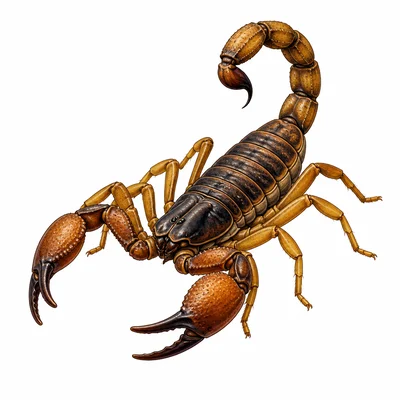
A scorpion has eight legs and belongs to the same group as spiders. What group is it in, and what feature helps you classify it?
- 10
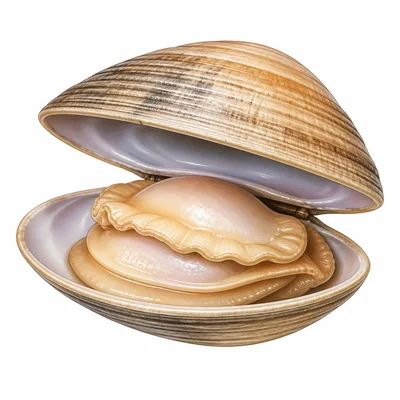
Explain why a clam is a mollusk.
- 11
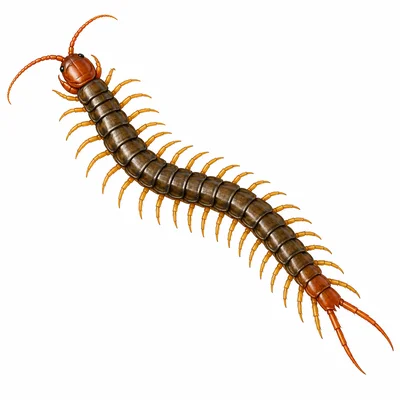
A student says a centipede is an insect because it has many legs. Is the student correct? Explain your answer.
- 12
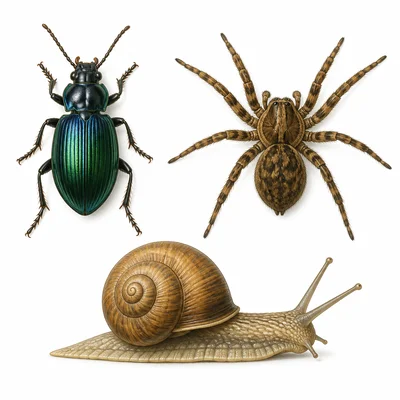
Write one sentence that tells how insects, arachnids, and mollusks are alike.