Practice applying the ideas of reflection, refraction, and lenses to explain how light behaves and how images are formed.
Read each problem carefully. Show your work and explain your reasoning when needed.
How light reflects, bends, and forms images through lenses
Physics - Grade 9-12
- 1
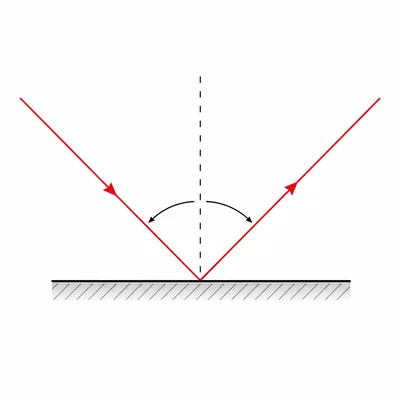
State the law of reflection. Then describe what happens to the angle of reflection when the angle of incidence increases.
- 2
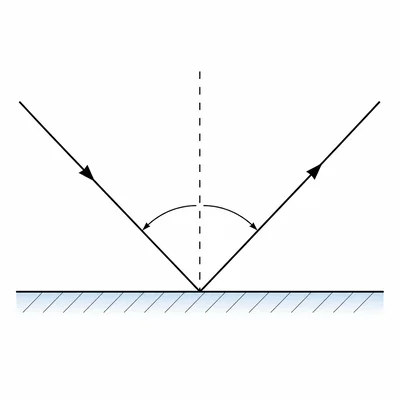
A ray of light strikes a flat mirror at an angle of incidence of 35 degrees. What is the angle of reflection?
- 3
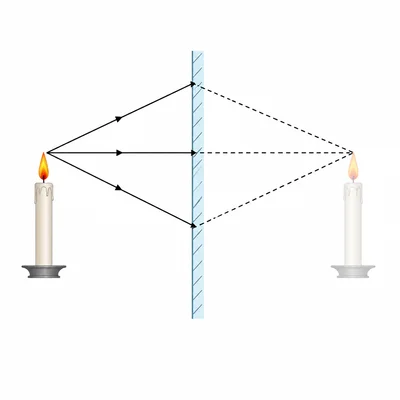
Explain why an object appears to be behind a plane mirror. Include the idea of virtual images in your response.
- 4
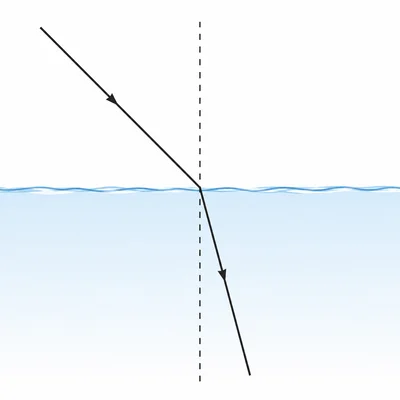
Light travels from air into water at an angle. Does the light ray bend toward the normal or away from the normal? Explain why.
- 5
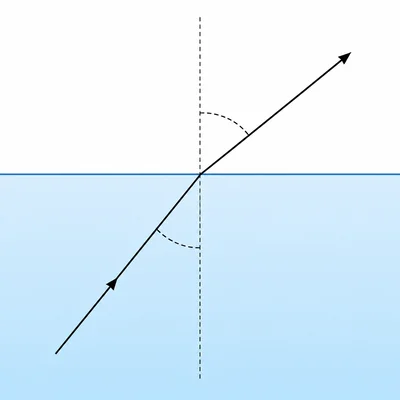
Light travels from water into air at an angle. Describe how the ray bends and explain the reason.
- 6
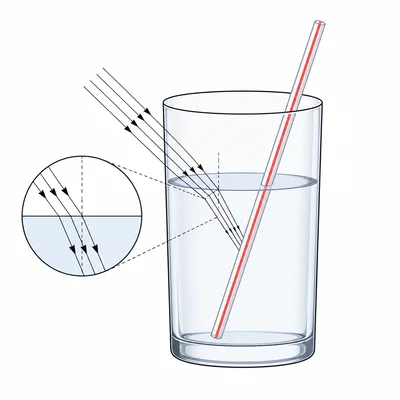
A student places a straw in a glass of water and observes that the straw appears bent at the water surface. Explain this observation using refraction.
- 7
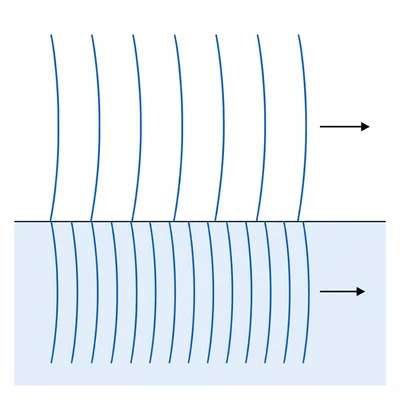
Define the index of refraction and explain what a larger index of refraction means about the speed of light in a material.
- 8
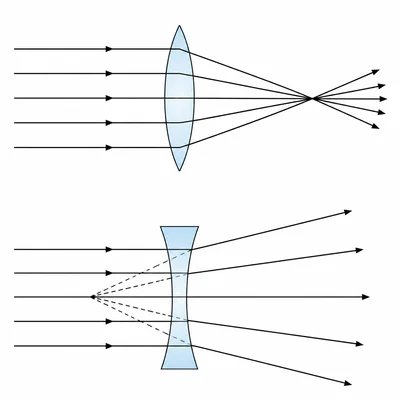
Describe the difference between a converging lens and a diverging lens in terms of shape and what happens to parallel light rays.
- 9
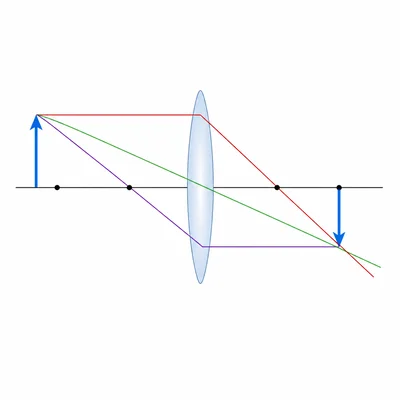
An object is placed farther than one focal length from a converging lens. Describe one possible image that can form and state whether it is real or virtual.
- 10
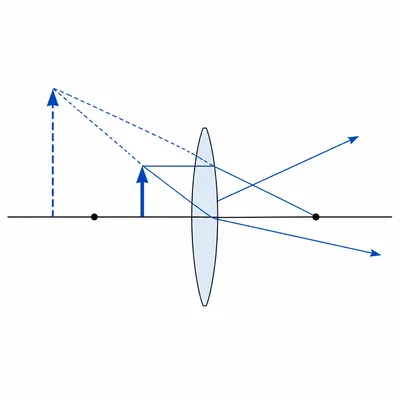
An object is placed inside the focal length of a converging lens. Describe the image that forms.
- 11
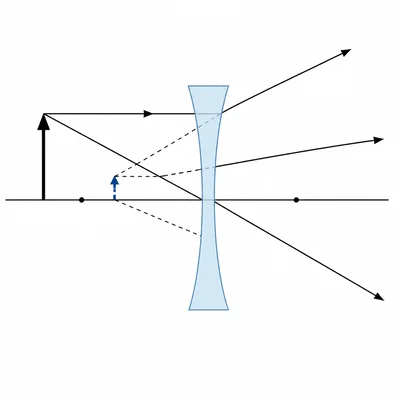
Explain why a diverging lens always forms a virtual image for a real object.
- 12
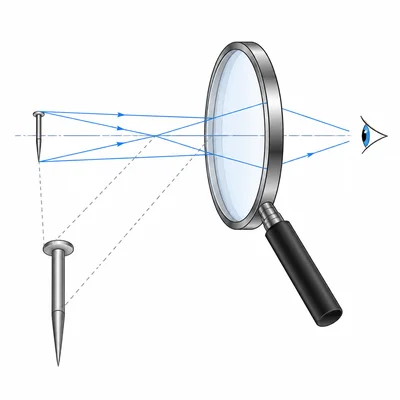
A magnifying glass uses a converging lens. Explain how it makes small objects look larger.