Practice analyzing the properties of waves and sound, including wavelength, frequency, amplitude, speed, and how sound behaves in different situations.
Read each problem carefully. Show your work and explain your reasoning when needed.
Exploring wave behavior, sound properties, and real-world applications
Physics - Grade 9-12
- 1
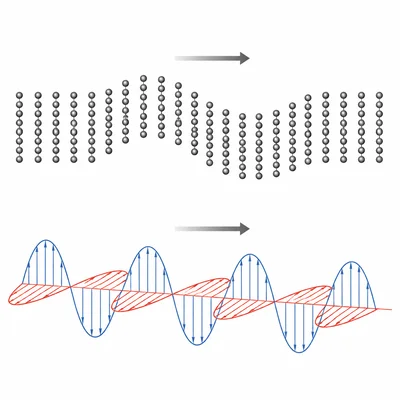
Define a wave in science. Then explain the difference between a mechanical wave and an electromagnetic wave.
- 2
A sound wave has a frequency of 340 hertz and travels at 340 meters per second in air. What is its wavelength?
- 3
A wave has a wavelength of 2.5 meters and a speed of 10 meters per second. What is its frequency?
- 4
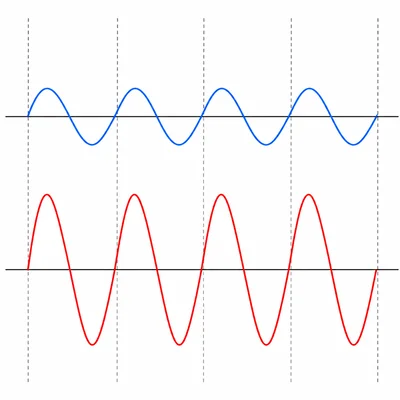
Explain how amplitude affects the loudness of a sound wave.
- 5
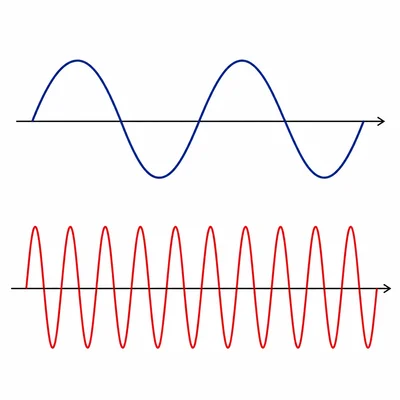
Explain how frequency affects the pitch of a sound.
- 6
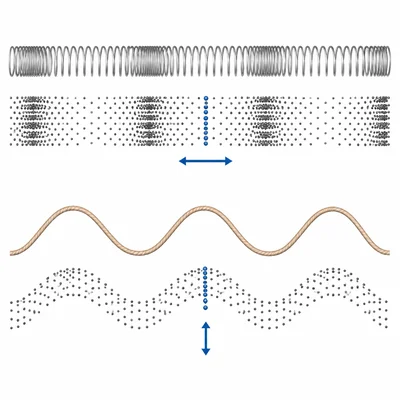
Compare longitudinal waves and transverse waves. Include how the particles move in each type.
- 7
Sound travels about 343 meters per second in air at room temperature. If you hear thunder 5 seconds after seeing lightning, about how far away is the storm?
- 8
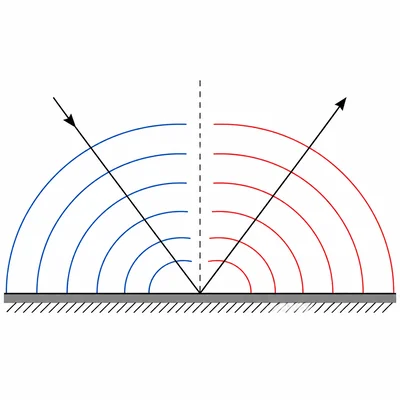
Describe what happens during reflection of a sound wave. Give one real-world example.
- 9
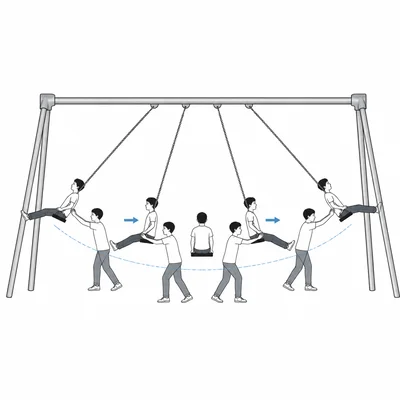
What is resonance? Explain why pushing a swing at the right time is an example of resonance.
- 10
A student strikes a tuning fork that vibrates at 256 hertz. What does the number 256 hertz tell you about the tuning fork?
- 11
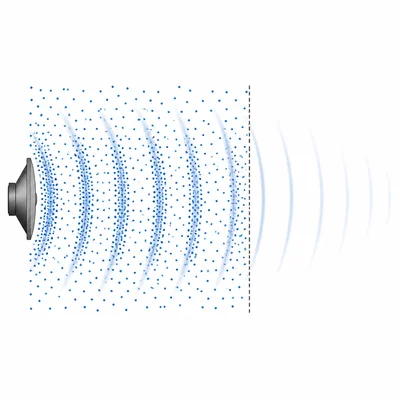
Explain why sound cannot travel through outer space.
- 12
A sound wave enters a different medium and its speed changes from 330 meters per second to 990 meters per second while its frequency stays the same at 330 hertz. What is the new wavelength?
- 13
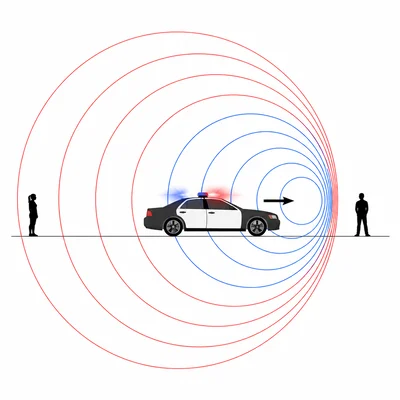
Describe the Doppler effect and explain what happens to the pitch of a siren as an ambulance approaches you and then moves away.
- 14
A wave completes 12 cycles in 3 seconds. What is its frequency?
- 15
Explain one way engineers or scientists use knowledge of sound waves in technology or medicine.