Practice understanding the difference between weather and climate, reading weather patterns, and explaining how temperature, precipitation, wind, and seasons affect places over time.
Read each problem carefully. Use science words to explain your thinking. Show your work when a problem asks you to compare, predict, or describe patterns.
Observing daily weather and long-term climate
Earth Science - Grade 4-5
- 1
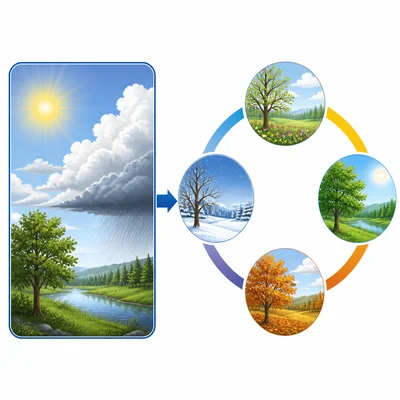
Explain the difference between weather and climate.
- 2

A city has warm, rainy summers and cool, dry winters every year. Is this a description of weather or climate? Explain your answer.
- 3
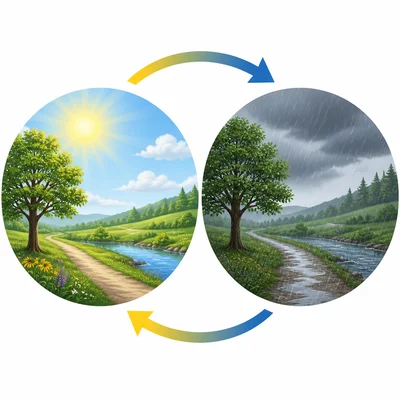
On Monday it is 72 degrees Fahrenheit and sunny. On Tuesday it is 60 degrees Fahrenheit and rainy. What changed from Monday to Tuesday?
- 4
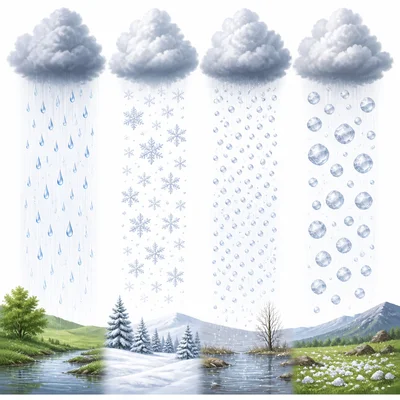
Name two kinds of precipitation and describe each one.
- 5
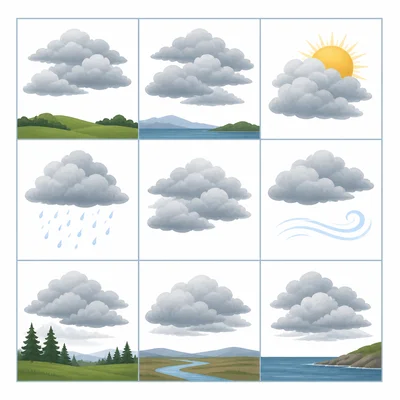
A student records the weather for 7 days and finds that 5 days were cloudy and cool. What does this pattern suggest about that week?
- 6
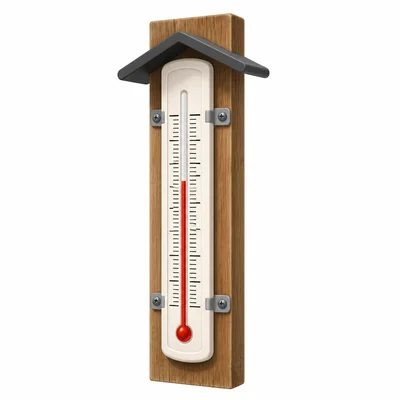
Why do people use thermometers when studying weather?
- 7
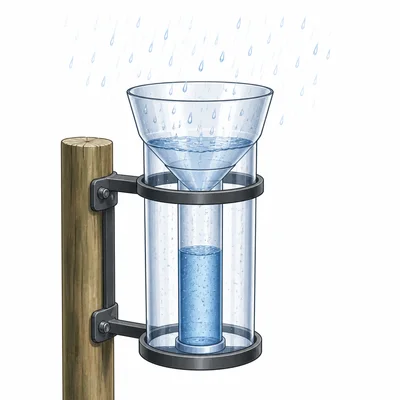
What does a rain gauge measure, and why is that useful?
- 8
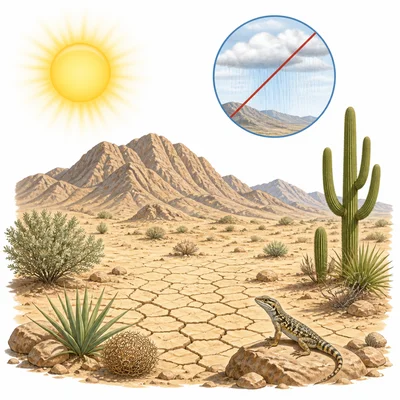
If a place is very dry and gets little rain year after year, what can you say about its climate?
- 9
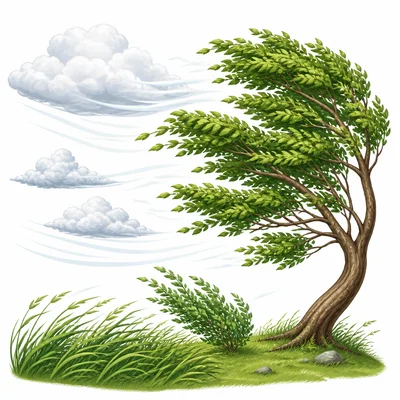
Describe how wind can affect weather on a given day.
- 10
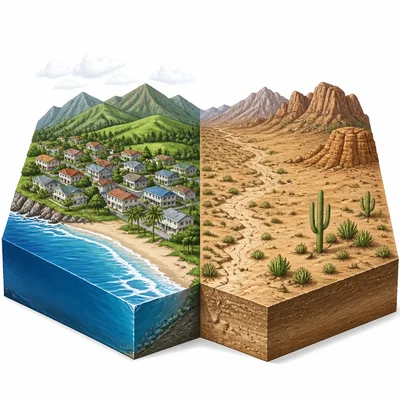
A coastal town usually has cooler summers and warmer winters than a desert inland area. What is one reason these climates may be different?
- 11
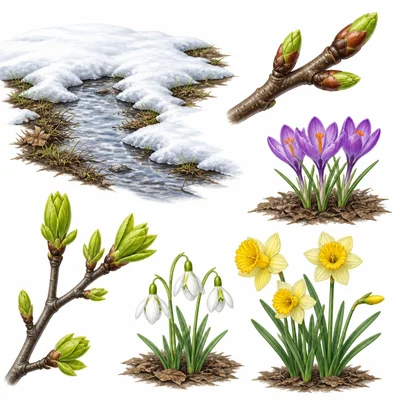
What is one sign that spring weather is beginning in many places?
- 12
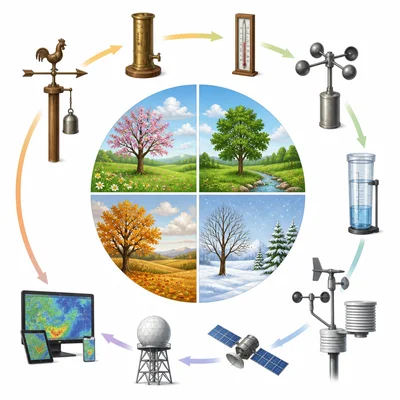
Why is it important to record weather over a long time when studying climate?
- 13
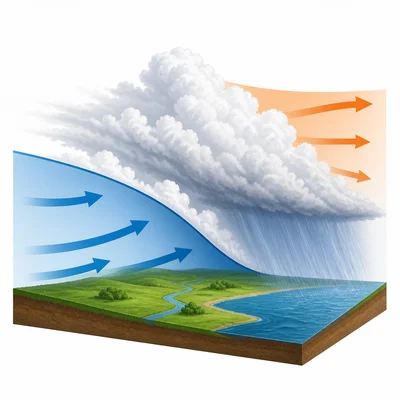
A forecast says a cold front is moving in. Predict one possible change in the weather.
- 14

Compare a tropical climate and a polar climate.
- 15
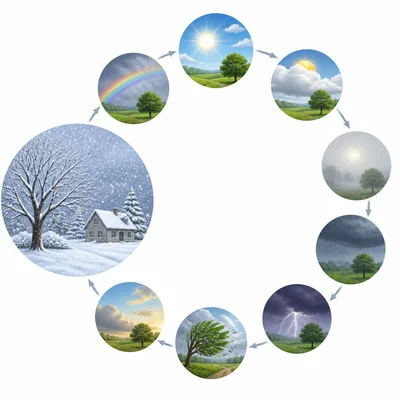
A student says, "It snowed today, so this place must have a snowy climate." Explain why that statement may not be correct.