Practice analyzing the structure, powers, and functions of Congress for AP United States Government and Politics.
Read each problem carefully. Use constitutional principles, vocabulary, and examples where appropriate. Show your reasoning in the space provided.
Bicameralism, lawmaking, oversight, and Article I powers
Social Studies - Grade 9-12
- 1
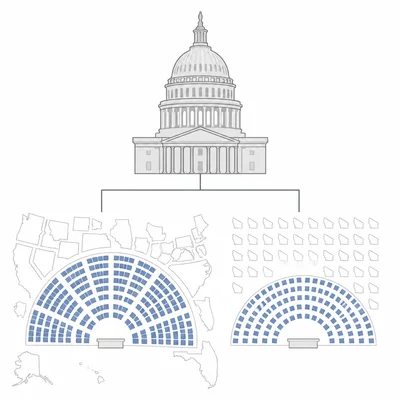
Explain why the Framers created a bicameral Congress. In your answer, describe how representation differs in the House of Representatives and the Senate.
- 2
Identify two powers that are specifically given to Congress in Article I, Section 8 of the Constitution, and explain why these powers are important.
- 3
Describe the difference between enumerated powers and implied powers. Use the Necessary and Proper Clause in your explanation.
- 4
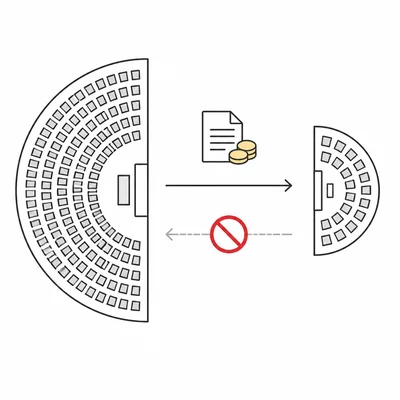
A bill to raise revenue is introduced in the Senate. Explain the constitutional problem with this situation and how it should be corrected.
- 5
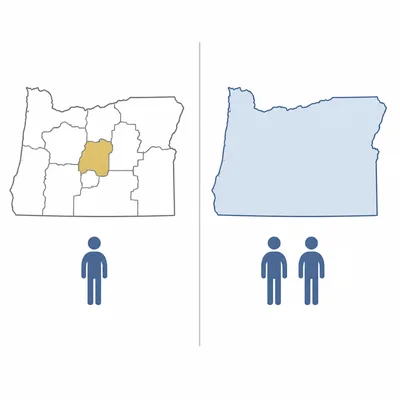
Compare the term length and constituency of a House member with those of a senator. Explain how these differences can affect policymaking.
- 6
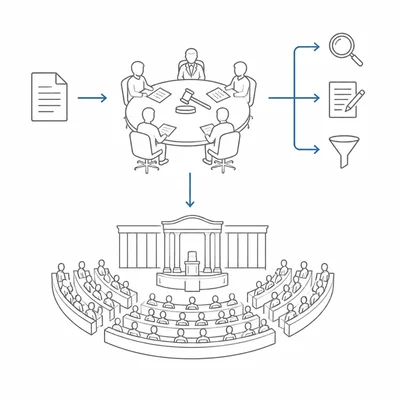
Explain how congressional committees influence the lawmaking process.
- 7
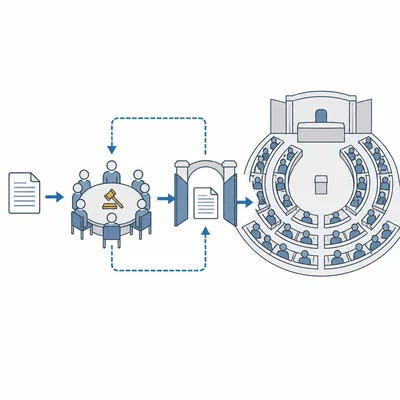
A member of Congress wants to bring a bill to the House floor quickly. Explain the role of the House Rules Committee in this process.
- 8
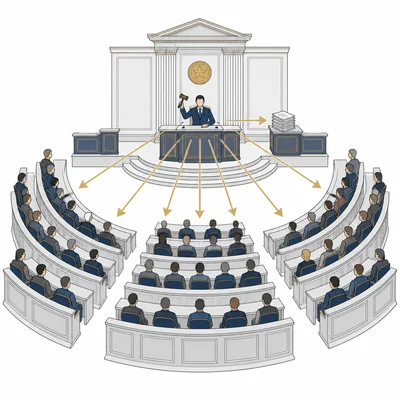
Describe the role of the Speaker of the House and explain why the position is powerful.
- 9
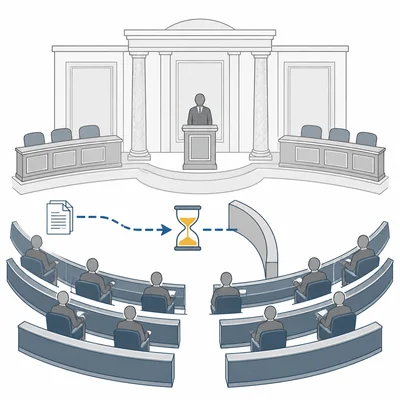
Analyze how the filibuster affects the legislative process in the Senate.
- 10
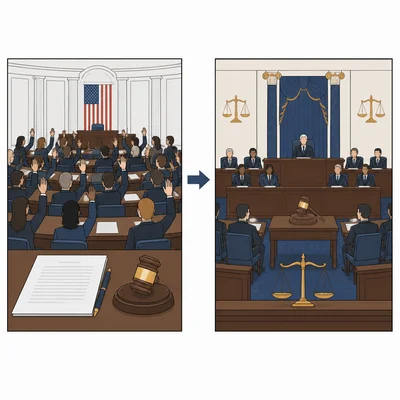
Explain the difference between impeachment by the House of Representatives and conviction by the Senate.
- 11
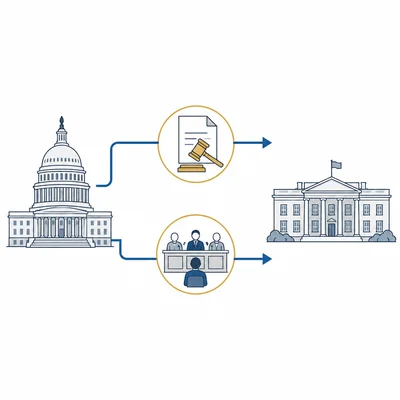
Identify two checks Congress has over the president and explain how each one limits executive power.
- 12
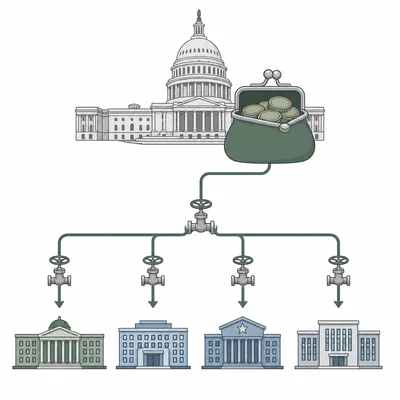
Explain how the power of the purse gives Congress influence over the federal bureaucracy.
- 13
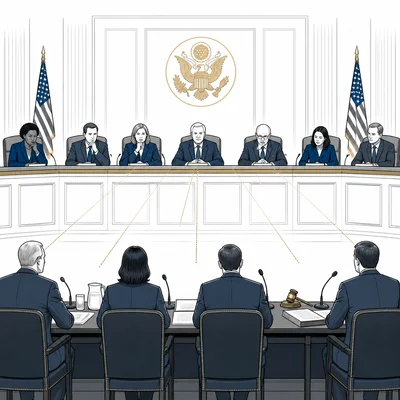
A congressional committee holds a public hearing to question agency officials about the implementation of a law. Identify this function of Congress and explain its purpose.
- 14
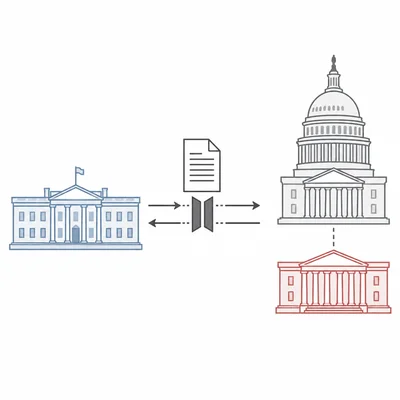
Use the following scenario to explain divided government: The president belongs to one political party, while at least one chamber of Congress is controlled by the other party. Describe one likely effect on policymaking.
- 15
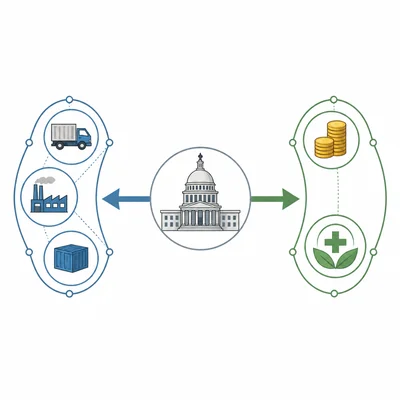
Explain how Congress can use both its commerce power and its taxing power to address a national policy issue, such as environmental protection or public health.