Explore how globalization connects people, economies, cultures, and environments around the world.
Read each problem carefully. Use complete sentences when explaining your thinking.
How trade, technology, culture, and people link communities across the globe
Social Studies - Grade 6-8
- 1
Define globalization in your own words. Include one example of how your daily life is connected to people or places in another country.
- 2
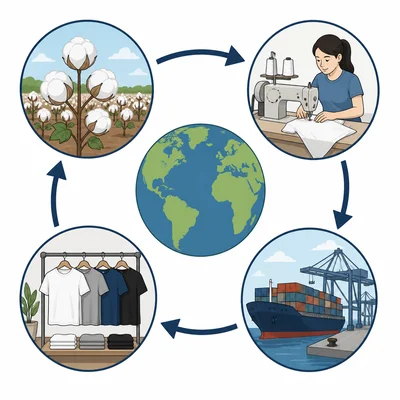
A T-shirt is made with cotton grown in India, sewn in Vietnam, shipped through Singapore, and sold in the United States. Explain how this example shows globalization.
- 3
List two benefits of globalization for consumers.
- 4
List two challenges or problems that can be caused by globalization.
- 5
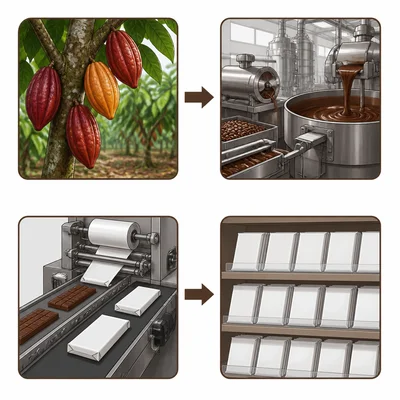
Look at the supply chain: cacao beans grown in Ghana, chocolate made in Belgium, packaging printed in Germany, and candy bars sold in Canada. What role does each country play in the supply chain?
- 6

Explain how the internet has made globalization faster.
- 7

A student in Mexico watches a Korean music video, uses a Japanese video game console, and chats online with a friend in Kenya. Identify two types of globalization shown in this example.
- 8
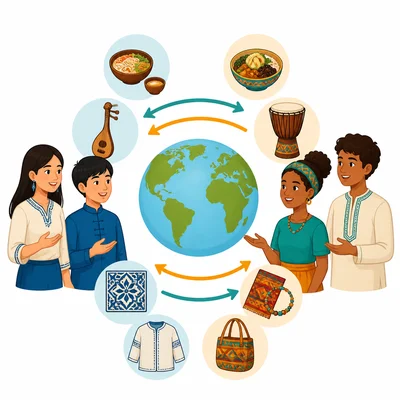
What is cultural diffusion? Give one example connected to globalization.
- 9
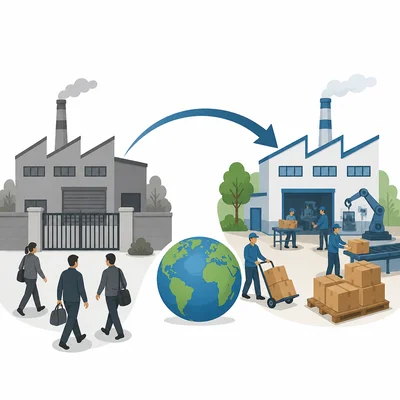
Study this situation: A company closes a factory in one country and opens a new factory in another country where wages are lower. Explain one possible benefit and one possible harm of this decision.
- 10
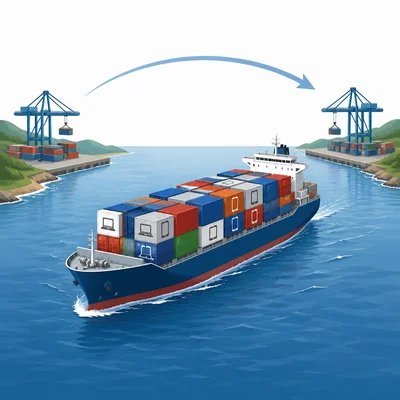
A cargo ship carries electronics from East Asia to Europe. Explain how transportation technology supports globalization.
- 11
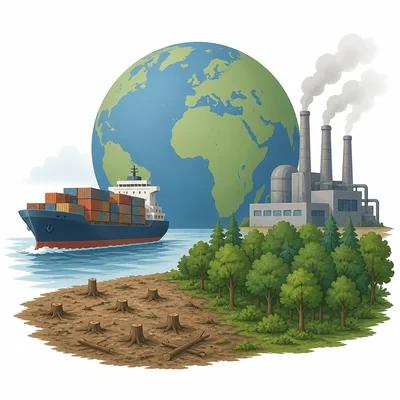
Describe one way globalization can affect the environment.
- 12

A local grocery store sells bananas from Ecuador, coffee from Ethiopia, rice from Thailand, and apples grown nearby. What does this show about global and local connections?
- 13
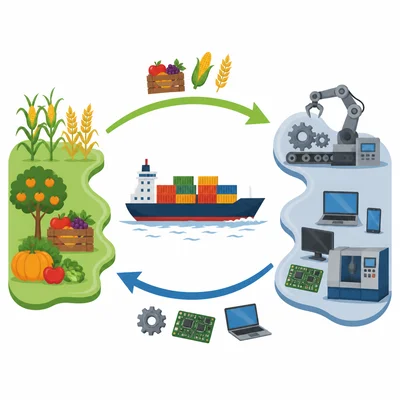
Explain why countries trade with each other instead of making every product on their own.
- 14
In a short paragraph, explain how globalization can change a local culture. Include both a positive and a negative possibility.
- 15
Create a cause-and-effect statement using these words: global trade, jobs, prices, and choices.