Practice identifying important geographic features of Latin America and explaining how geography, history, and culture shape daily life in the region.
Read each problem carefully. Use complete sentences when explaining your thinking.
Exploring landforms, regions, people, and traditions
Social Studies - Grade 6-8
- 1
Latin America includes Mexico, Central America, the Caribbean, and most of South America. Explain why the region is called Latin America.
- 2
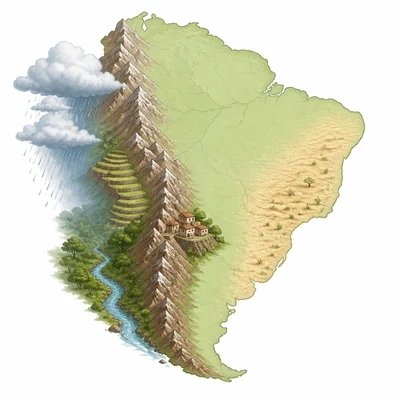
Identify the mountain range that runs along the western edge of South America, and explain one way it affects life in nearby areas.
- 3
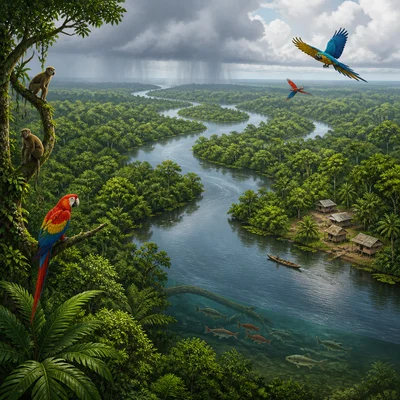
The Amazon River Basin contains the Amazon River and the world's largest tropical rainforest. Describe two reasons this region is important.
- 4
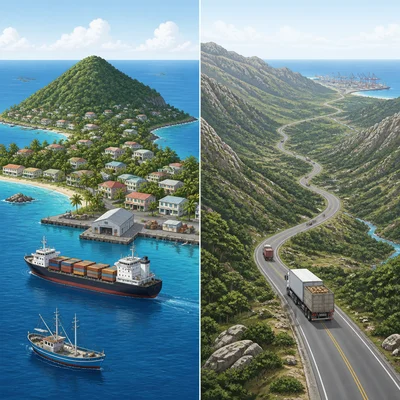
Compare an island country in the Caribbean with a landlocked country in South America. How might access to the ocean affect trade and daily life?
- 5
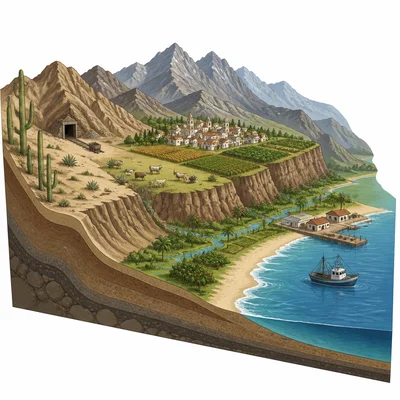
Mexico has deserts, mountains, plateaus, and coastal plains. Explain how having many physical regions can affect the economy of a country.
- 6
Look at the idea of cultural diffusion. Give one example of how Indigenous, European, and African influences have blended in Latin American culture.
- 7
Many people in Brazil speak Portuguese, while most other Latin American countries speak Spanish. Explain the historical reason for this difference.
- 8
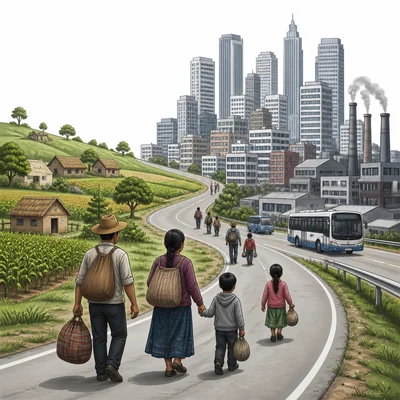
Define the term urbanization and explain one reason many people move from rural areas to cities in Latin America.
- 9
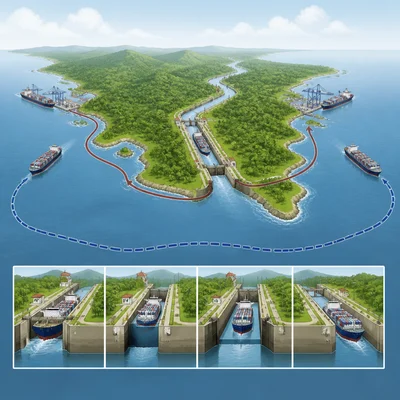
The Panama Canal connects the Atlantic Ocean and the Pacific Ocean. Explain why this canal is important for world trade.
- 10
Choose one major climate zone in Latin America, such as tropical rainforest, desert, highland, or savanna. Describe how that climate can affect housing, clothing, or jobs.
- 11
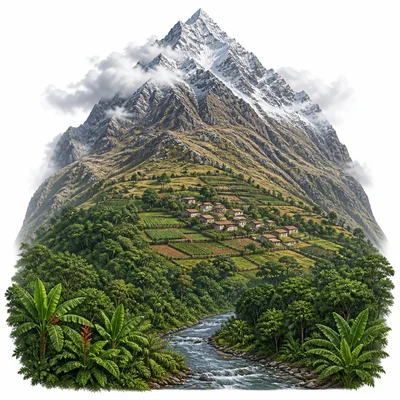
Explain how elevation can change climate in Latin America, especially in the Andes Mountains.
- 12
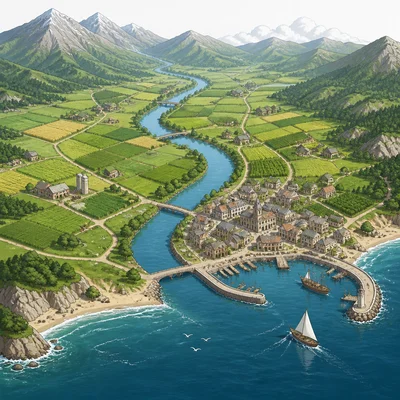
Many Latin American cities were built near coasts, rivers, or fertile valleys. Explain why these locations were useful for settlement.
- 13
Describe one way tourism can benefit a Latin American country and one challenge tourism can create.
- 14
The Caribbean is made up of many islands with different histories and languages. Explain why the Caribbean has such cultural diversity.
- 15
A government wants to protect a rainforest while also allowing people to earn a living. Suggest one policy that could help balance environmental protection and economic needs.