Practice analyzing the history of Native American nations, the policy of forced removal, and its lasting effects on people and communities.
Read each problem carefully. Answer in complete sentences and support your ideas with facts from history.
Examining causes, events, and effects of Indian removal
Social Studies - Grade 6-8
- 1
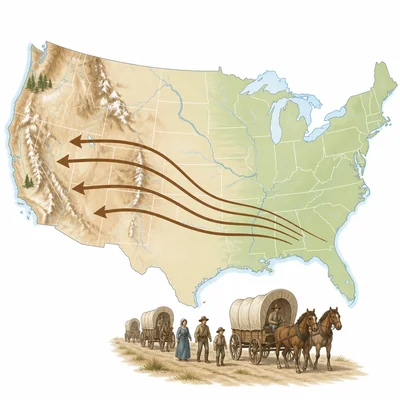
What was the Indian Removal Act of 1830, and what did it allow the United States government to do?
- 2
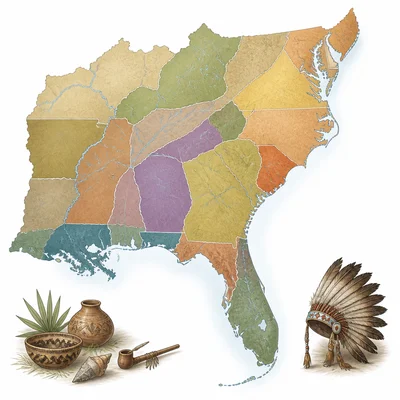
Name two Native American nations affected by forced removal in the Southeast and explain where they lived before removal.
- 3

Explain one reason the United States government wanted Native American lands in the Southeast.
- 4
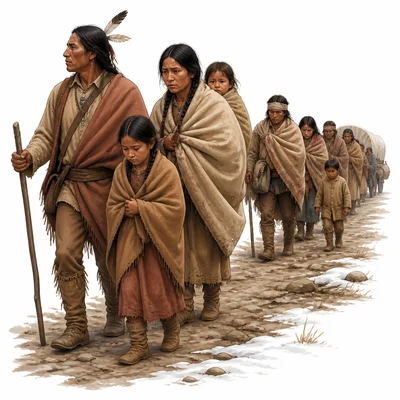
What was the Trail of Tears, and why is it remembered as a tragic event in American history?
- 5
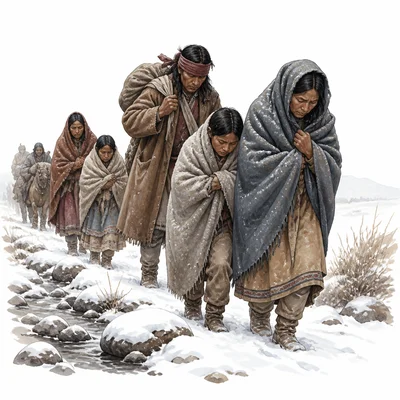
Describe two hardships Native American people faced during forced removal journeys.
- 6
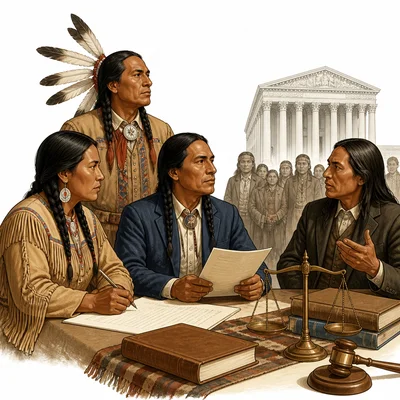
How did some Native American nations respond to removal policies through law or politics?
- 7
Who was John Ross, and what role did he play in Cherokee history during removal?
- 8
Explain how forced removal affected Native American cultures and communities.
- 9
Why is it important to study forced removal from Native American perspectives as well as government records?
- 10
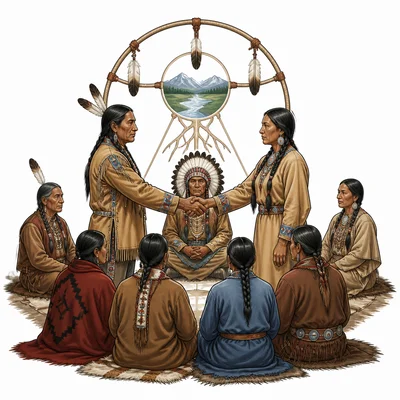
What does the term sovereignty mean for Native American nations?
- 11
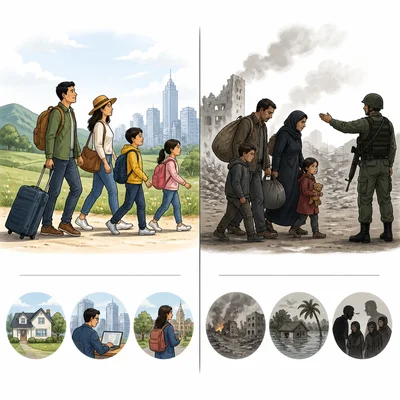
Compare voluntary migration with forced removal. How were they different for Native American nations in the 1800s?
- 12
Write a short response explaining one lasting effect of forced removal that can still be seen today.