Practice telling the difference between primary and secondary sources and explaining how each type of source is used in history.
Read each problem carefully. Decide whether the source is primary or secondary, and explain your reasoning when asked. Show your work in the space provided.
Identifying firsthand and secondhand accounts
Social Studies - Grade 6-8
- 1

A soldier writes a letter home during a war in 1863 describing what he saw that day. Is this a primary source or a secondary source?
- 2
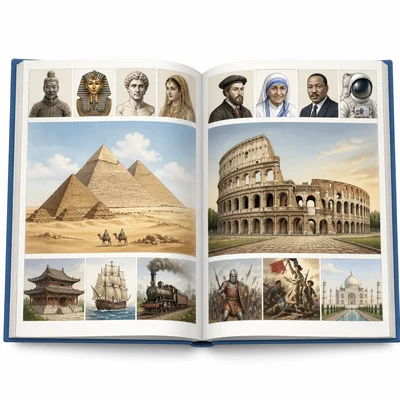
A textbook published in 2020 summarizes the causes of the American Civil War. Is this a primary source or a secondary source?
- 3
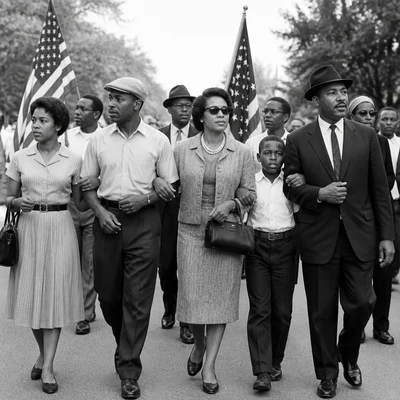
A photograph taken at a civil rights march in 1965 is used in a history project. Is the photograph a primary source or a secondary source?
- 4
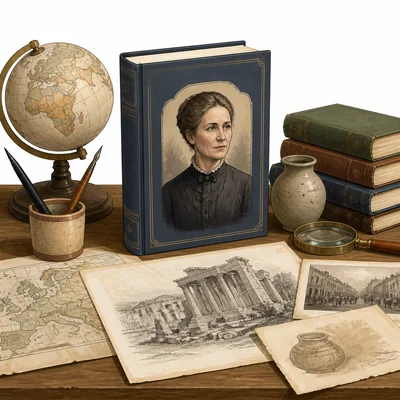
A historian writes a biography in 2015 about Harriet Tubman using letters, records, and interviews. Is the biography a primary source or a secondary source?
- 5
Read this situation: A student finds the diary of a child who lived through the Great Depression. What kind of source is the diary, and why?
- 6
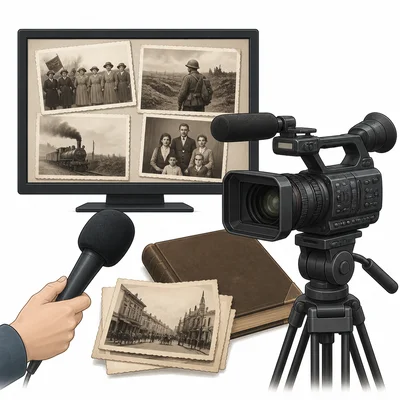
A documentary made today uses old photos, interviews, and narration to explain the attack on Pearl Harbor. Is the documentary mainly a primary source or a secondary source?
- 7
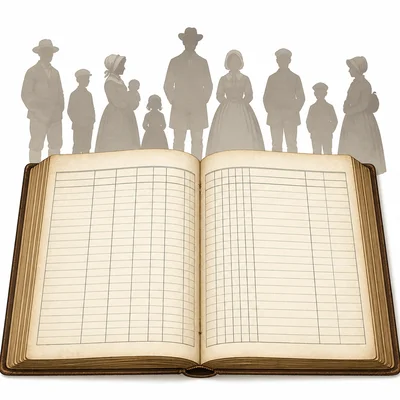
A government census record from 1900 lists the people living in a town. Is this a primary source or a secondary source?
- 8
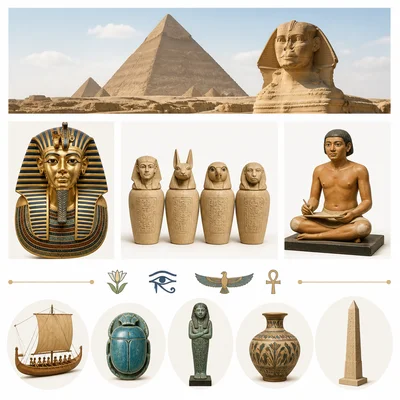
A website article explains what daily life was like in ancient Egypt using information from artifacts and written records. Is the article a primary source or a secondary source?
- 9
Explain one difference between a primary source and a secondary source in your own words.
- 10
Name one advantage of using a primary source when studying history.
- 11
Name one reason a historian might also use secondary sources when researching a topic.
- 12
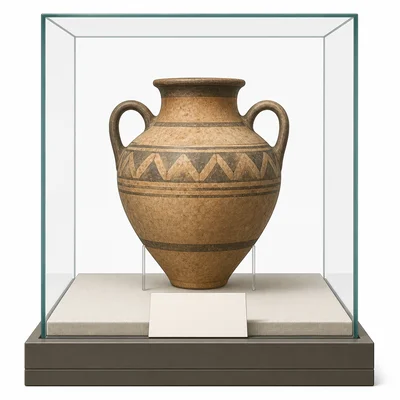
A museum label next to an artifact explains where the object was found and why it is important. Is the label a primary source or a secondary source?