Learn how geography, work, community life, and government shaped the 13 English colonies in North America.
Read each problem carefully. Answer in complete sentences and use details from what you have learned about the 13 Colonies.
Daily life, regions, work, and colonial government
Social Studies - Grade 4-5
- 1
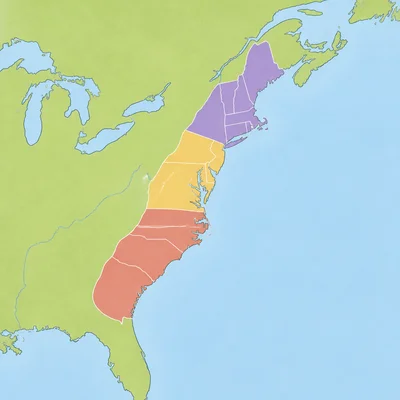
Name the three main regions of the 13 Colonies and list one colony that belonged to each region.
- 2
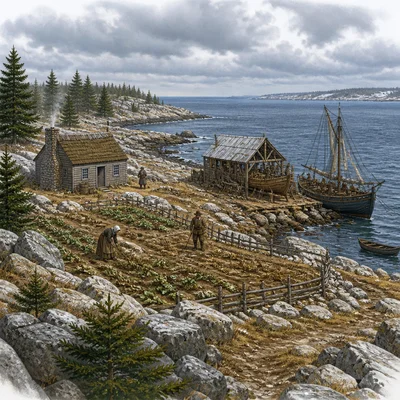
How did New England's rocky soil and cold climate affect the jobs people did there?
- 3
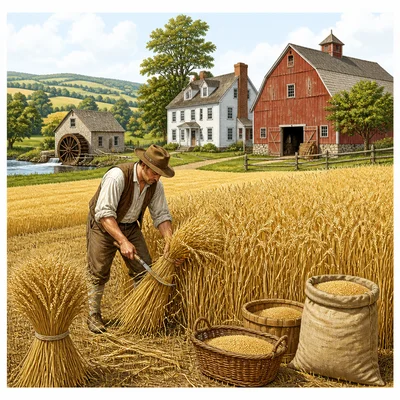
The Middle Colonies were sometimes called the breadbasket colonies. Explain why this nickname made sense.
- 4
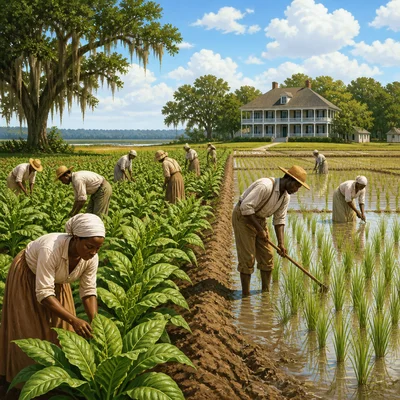
What cash crops were commonly grown in the Southern Colonies, and why were plantations common there?
- 5
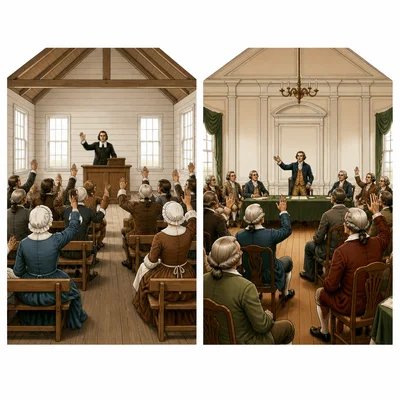
Compare town meetings in New England with the House of Burgesses in Virginia. How were they similar?
- 6
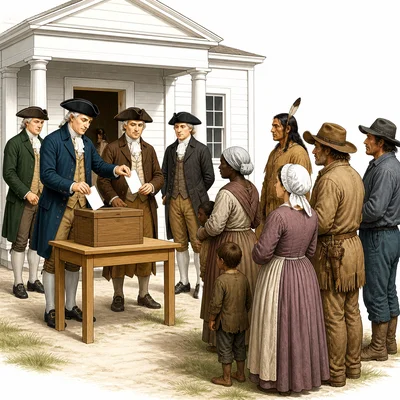
Who was usually allowed to vote in many colonial elections? Explain why this shows that colonial government was not equal for everyone.
- 7
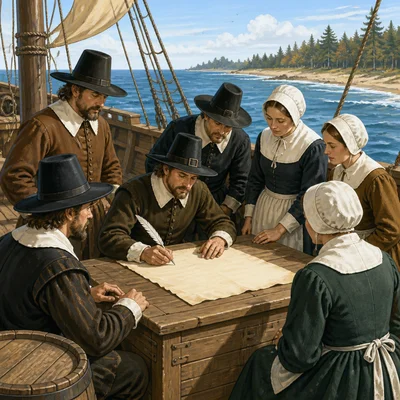
What was the Mayflower Compact, and why was it important?
- 8
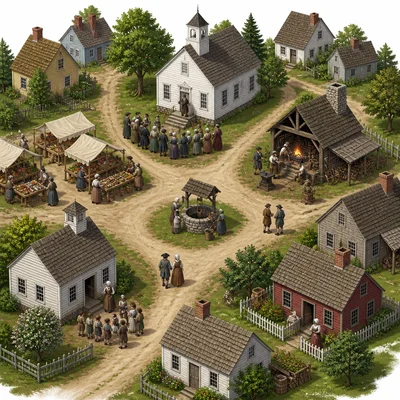
Look at a colonial village. Identify two places where people might gather and explain what happened there.
- 9
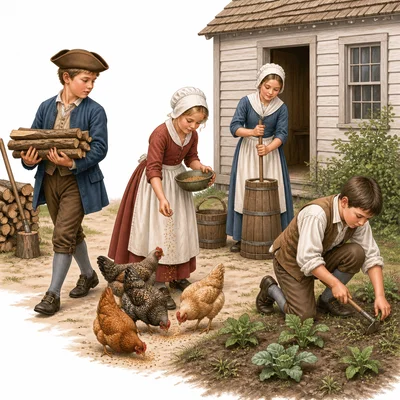
Describe two ways children in the colonies helped their families.
- 10
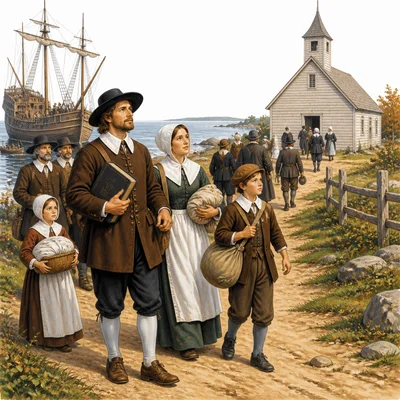
Why did some colonists come to North America for religious reasons? Give one example.
- 11
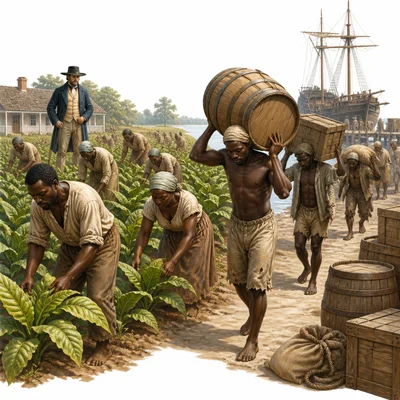
Explain how enslaved Africans were forced to contribute to the economy of the colonies.
- 12
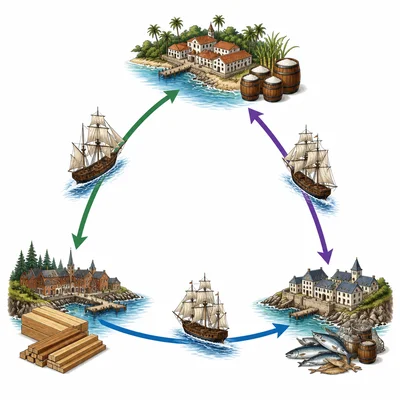
A ship carries sugar from the Caribbean to a colonial port, then carries fish and lumber from New England to another market. What does this show about colonial trade?
- 13
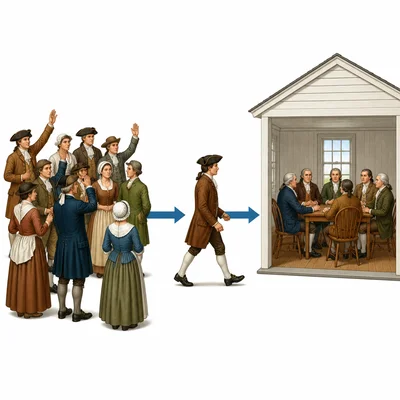
What is a representative government? Explain using an example from the colonies.
- 14
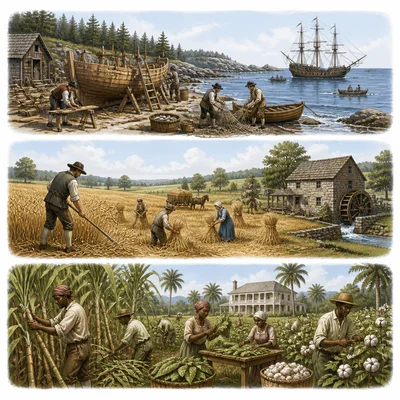
Use the chart idea of region, geography, and jobs. Choose one colonial region and explain how its geography influenced the work people did there.
- 15
Why is it important to study both the freedoms and the unfairness that existed in the 13 Colonies?