Practice understanding the major people, events, ideas, and laws of the Civil Rights Movement in the United States.
Read each problem carefully. Answer in complete sentences and support your ideas with specific historical details when needed.
Key events, leaders, laws, and goals of the movement
Social Studies - Grade 9-12
- 1
Explain the main goal of the Civil Rights Movement in the United States during the 1950s and 1960s.
- 2
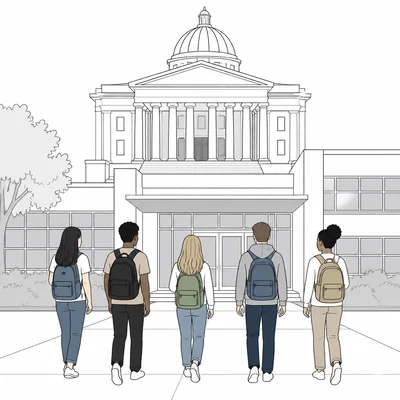
Describe the importance of the Supreme Court case Brown v. Board of Education in 1954.
- 3
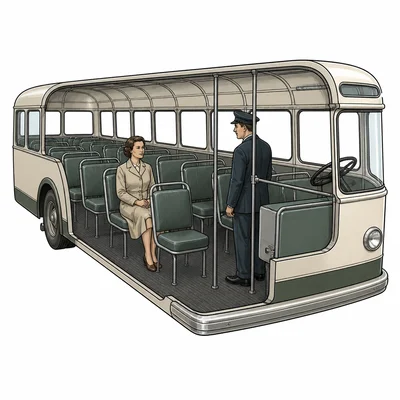
Rosa Parks is often connected to the Montgomery Bus Boycott. Explain what she did and why her action mattered.
- 4
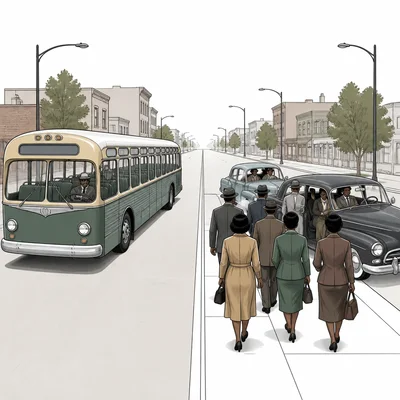
What was the Montgomery Bus Boycott, and what did it achieve?
- 5
Identify one leadership role Martin Luther King Jr. played in the Civil Rights Movement and explain why he became such an influential figure.
- 6
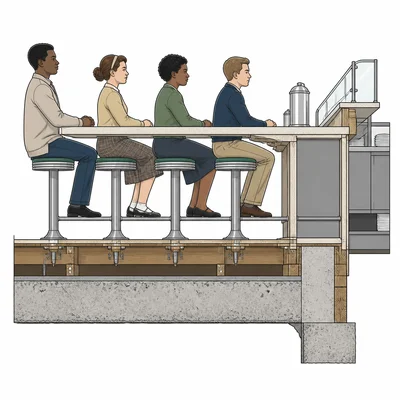
What were sit-ins, and how did they challenge segregation?
- 7
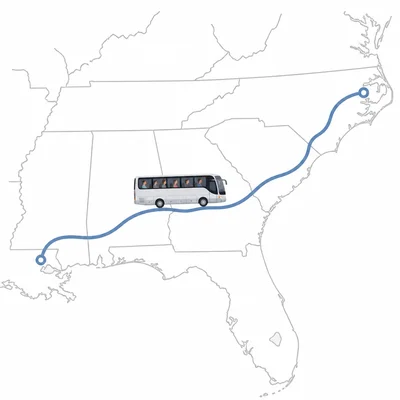
Explain the purpose of the Freedom Rides in 1961.
- 8
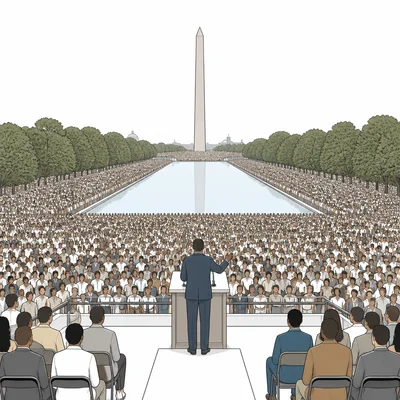
Why was the March on Washington in 1963 a significant event in the Civil Rights Movement?
- 9
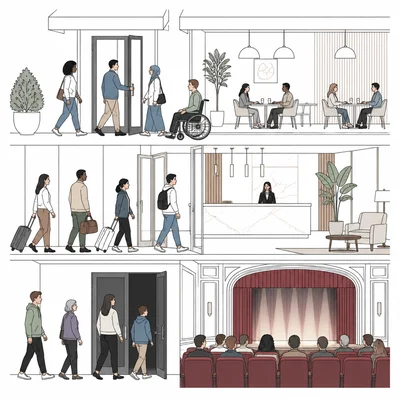
What did the Civil Rights Act of 1964 do?
- 10
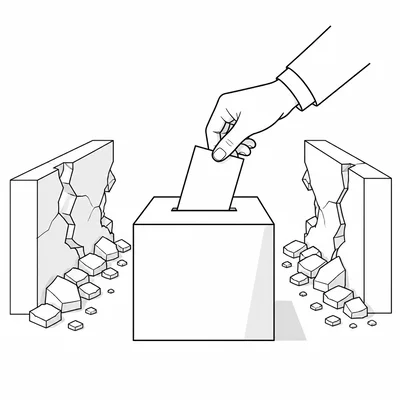
What problem was the Voting Rights Act of 1965 designed to address?
- 11
Compare the approaches of Martin Luther King Jr. and Malcolm X. Give one similarity or difference.
- 12
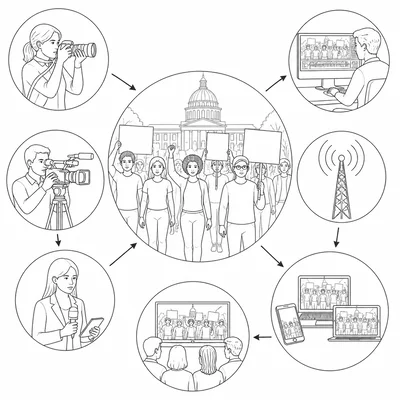
How did television and newspaper coverage affect public opinion during the Civil Rights Movement?
- 13
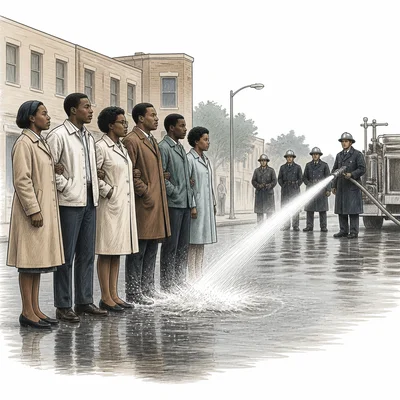
Explain the significance of the events in Birmingham, Alabama, in 1963.
- 14
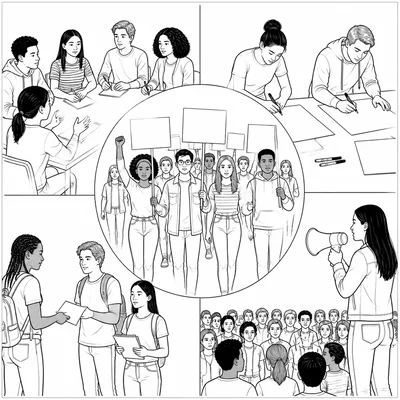
What role did students and young people play in the Civil Rights Movement?
- 15
Choose one major achievement of the Civil Rights Movement and explain how it changed American society.