Explore the causes, major events, outcomes, and long-term legacy of the Korean War.
Read each problem carefully. Use complete sentences and support your answers with facts from the lesson or question.
Understanding conflict, containment, and a divided peninsula
Social Studies - Grade 6-8
- 1
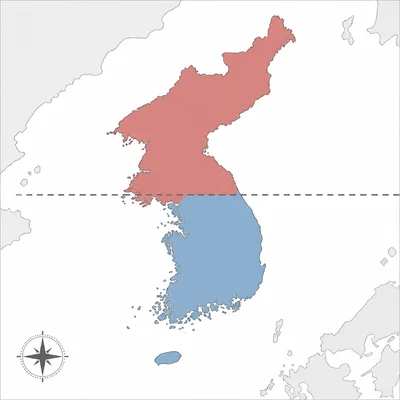
After World War II, Korea was divided near the 38th parallel. Explain what the 38th parallel was and why it mattered before the Korean War began.
- 2
Describe one major cause of the Korean War.
- 3
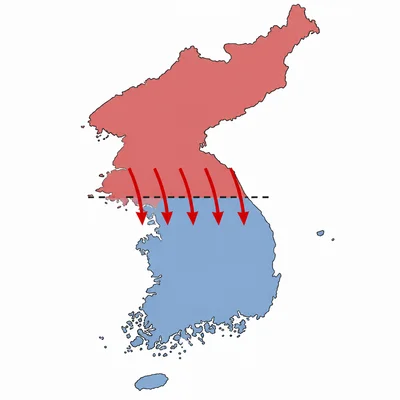
On June 25, 1950, North Korean forces crossed the 38th parallel into South Korea. Why was this event important?
- 4
The United Nations supported South Korea during the Korean War. Explain why the UN became involved.
- 5

What was the policy of containment, and how did it connect to the Korean War?
- 6
Put these events in the correct order: China enters the war, North Korea invades South Korea, an armistice is signed, UN forces push north toward the Chinese border.
- 7
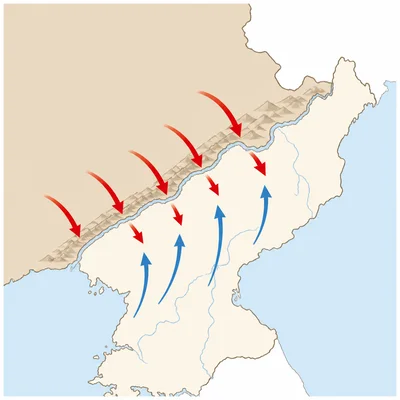
Why did China enter the Korean War in late 1950?
- 8
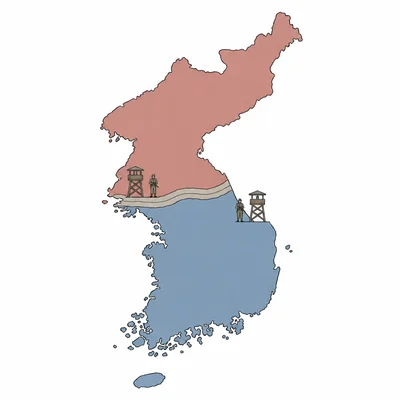
What was the result of the Korean War when the armistice was signed in 1953?
- 9
Explain the difference between an armistice and a peace treaty in the context of the Korean War.
- 10
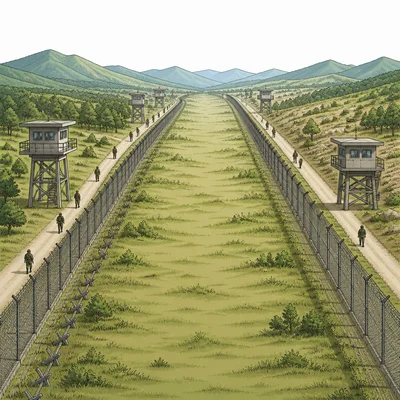
The Demilitarized Zone, or DMZ, separates North Korea and South Korea. What is the DMZ, and why is it important today?
- 11
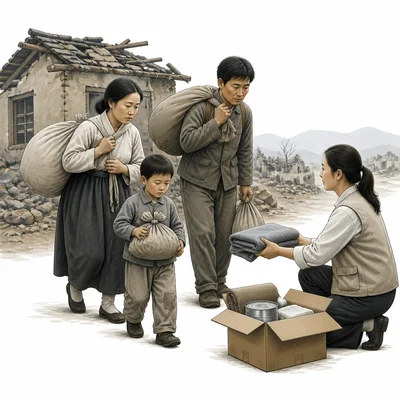
How did the Korean War affect civilians on the Korean Peninsula? Give two examples.
- 12
President Truman removed General Douglas MacArthur from command during the war. What broader principle of the United States government did this action show?
- 13
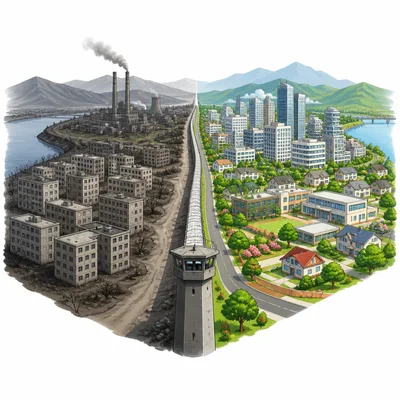
Compare one major difference between North Korea and South Korea after the Korean War.
- 14
Why is the Korean War sometimes called the Forgotten War in the United States?
- 15
Write a short paragraph explaining one lasting legacy of the Korean War in the world today.