Practice identifying important ideas about the cultures, geography, and traditions of Asia and the Pacific.
Read each problem carefully. Use complete sentences when needed and support your answers with what you know about culture, geography, and daily life in Asia and the Pacific.
Exploring regions, traditions, and cultural diversity
Social Studies - Grade 6-8
- 1
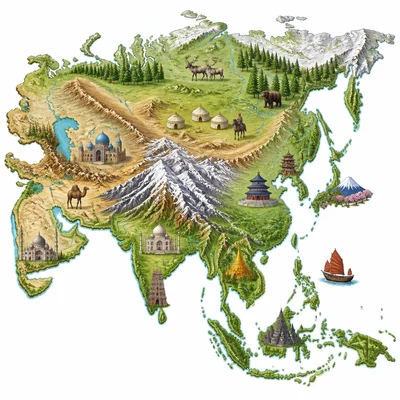
Asia is the largest continent in the world. Explain how a region this large can include many different cultures, languages, and religions.
- 2
Name two major religions that began in Asia and describe one basic fact about each one.
- 3
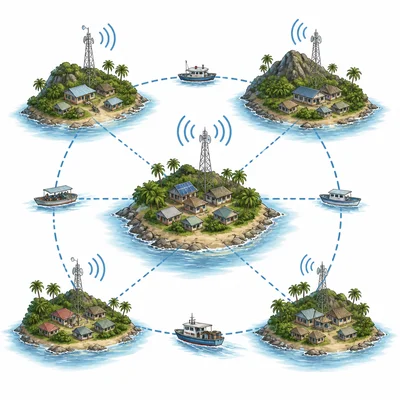
Many countries in the Pacific are made up of islands. Explain one way island geography can affect transportation and communication.
- 4
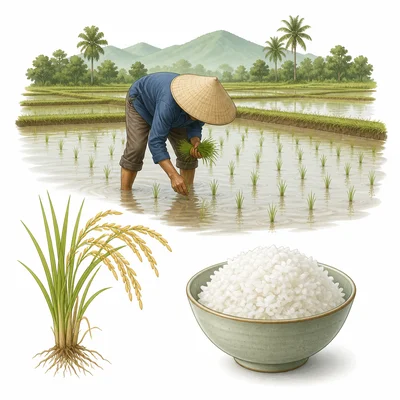
Rice is an important food in many parts of Asia. Describe one reason why a staple food can become an important part of culture.
- 5
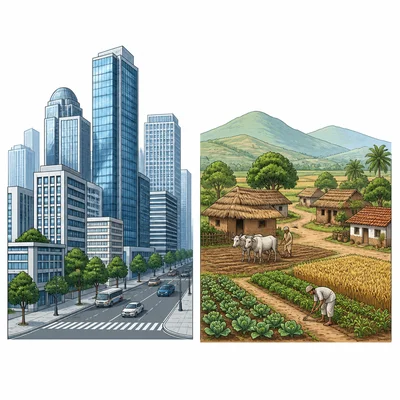
Compare urban life and rural life in Asia by giving one difference people might experience.
- 6
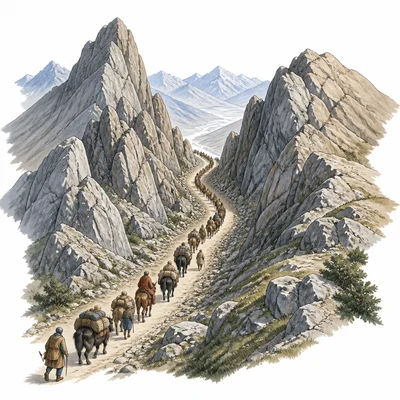
The Himalayas are a major mountain range in Asia. Explain one way mountain ranges can influence culture or trade.
- 7
Choose one country in Asia or the Pacific and name one cultural tradition, celebration, or art form associated with it.
- 8
Explain why it is inaccurate to describe all people in Asia as having the same culture.
- 9
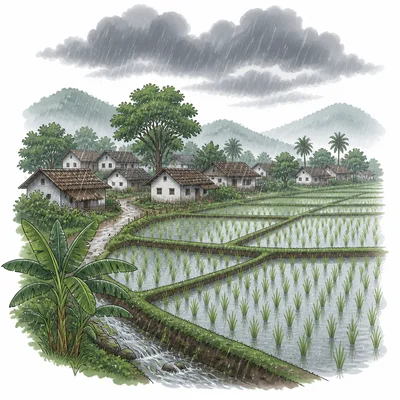
Monsoons affect parts of South and Southeast Asia. Describe one way seasonal rains can affect daily life.
- 10
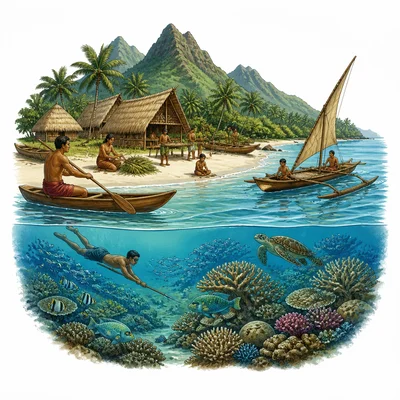
Many Pacific Island cultures have strong connections to the ocean. Explain one reason the ocean is important in daily life.
- 11
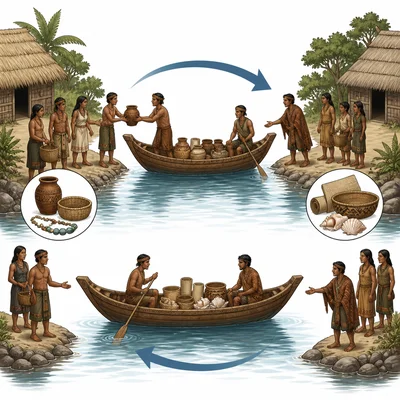
Cultural diffusion happens when ideas, goods, or traditions spread from one place to another. Give one example of cultural diffusion in Asia or the Pacific.
- 12
Write two sentences explaining why learning about world cultures in Asia and the Pacific can help people become more informed global citizens.