Practice key world history skills, including using timelines, comparing civilizations, explaining causes and effects, and understanding how ideas, trade, and empires shaped the past.
Read each problem carefully. Answer in complete sentences and use evidence from what you know about world history. Show your thinking in the space provided.
Exploring early civilizations, empires, trade, and global change
Social Studies - Grade 6-8
- 1
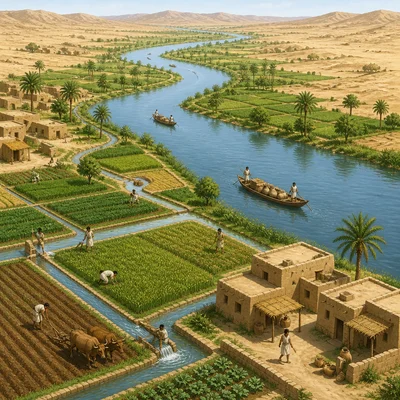
Explain why rivers were important to early civilizations such as Mesopotamia, Egypt, the Indus Valley, and ancient China.
- 2
Put these events in chronological order from earliest to latest: the fall of Rome, the building of the pyramids at Giza, the beginning of the Renaissance, and the development of agriculture.
- 3
Describe one major achievement of ancient Egypt and explain why it was important.
- 4
Compare direct democracy in ancient Athens with representative democracy in the United States today.
- 5
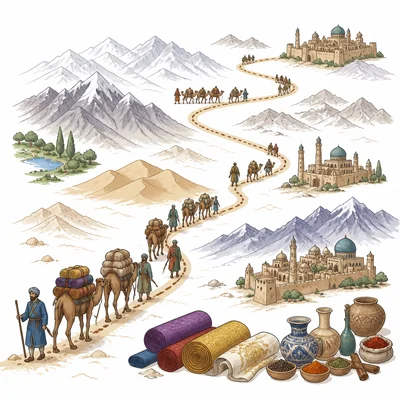
What was the Silk Road, and how did it affect the societies connected by it?
- 6
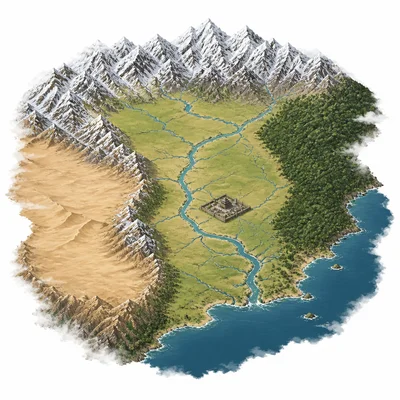
Explain how geography helped protect ancient China and also made contact with other regions more difficult.
- 7
Identify two similarities between the Roman Empire and the Han Dynasty of China.
- 8
Explain one cause and one effect of the fall of the Western Roman Empire.
- 9
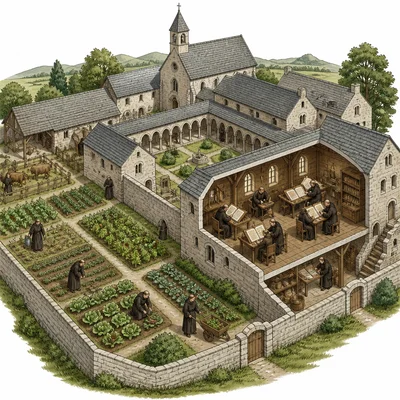
What role did monasteries play in medieval Europe?
- 10
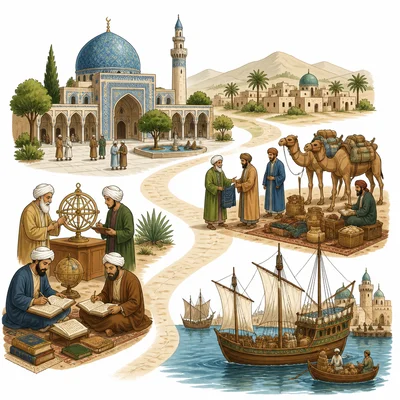
How did the spread of Islam affect world history during the Middle Ages?
- 11
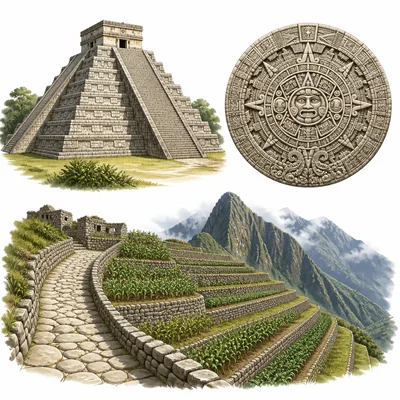
Describe one important contribution of the Maya, Aztec, or Inca civilization.
- 12
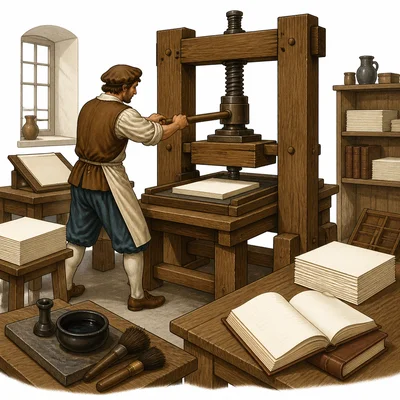
Explain why the printing press was an important invention in world history.
- 13
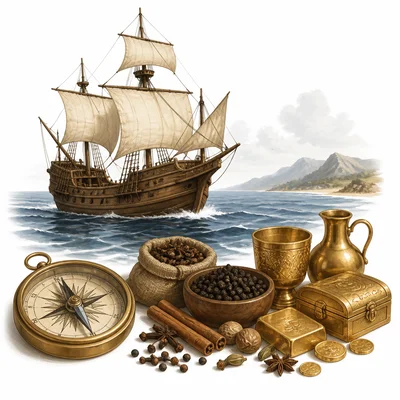
What was one cause of European exploration in the 1400s and 1500s, and what was one effect?
- 14
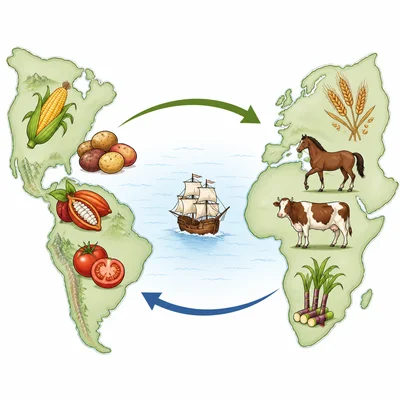
Explain how the Columbian Exchange changed life in both the Eastern and Western Hemispheres.
- 15
Choose one world history event or development from this worksheet and explain why it still matters today.