Explore key events in space exploration, from the first artificial satellite to current and future missions to Mars.
Read each problem carefully. Use complete sentences when explaining your thinking. Show your work in the space provided.
Milestones in human and robotic space exploration
Astronomy - Grade 6-8
- 1
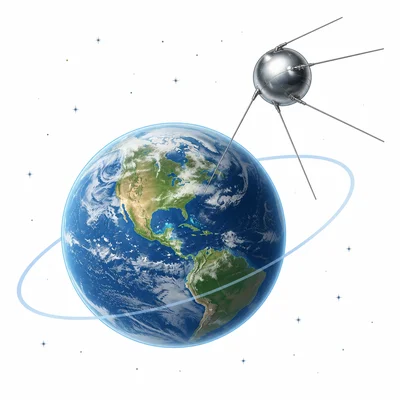
Sputnik 1 was launched by the Soviet Union in 1957. Explain why Sputnik 1 is considered an important milestone in space exploration.
- 2
The Space Race was a period of competition between the United States and the Soviet Union. Describe one way this competition helped space exploration advance.
- 3
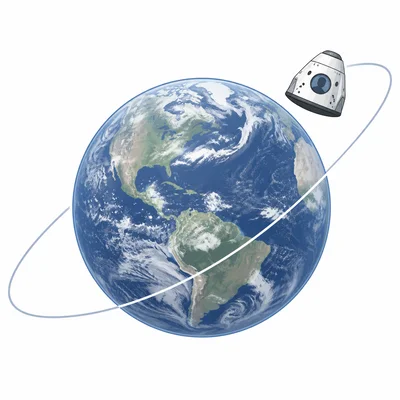
In 1961, Yuri Gagarin became the first human to orbit Earth. Why was this achievement scientifically and historically significant?
- 4
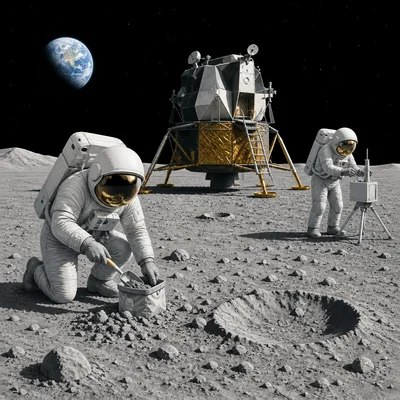
The Apollo 11 mission landed humans on the Moon in 1969. Name two things astronauts could learn or collect during a Moon landing that would be difficult to learn from Earth.
- 5
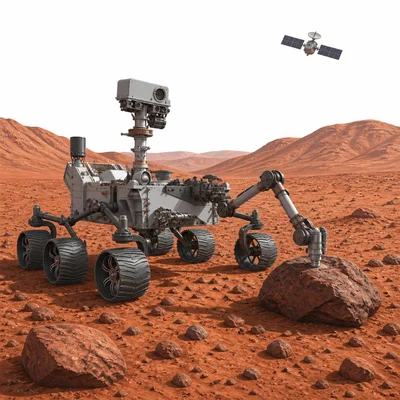
Robotic spacecraft often explore planets before humans do. Give two reasons why robotic missions are useful for exploring Mars.
- 6
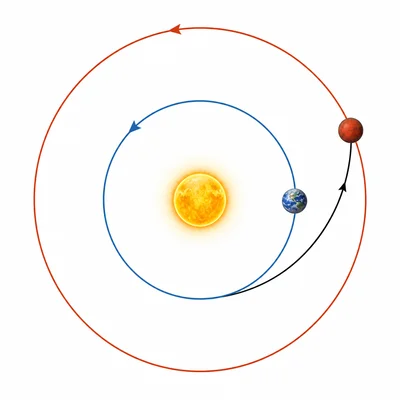
A spacecraft leaves Earth and travels toward Mars. Explain why engineers must plan the launch time carefully instead of launching any day they want.
- 7
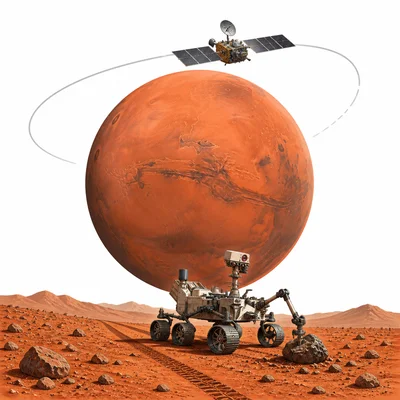
Compare an orbiter and a rover. How are their jobs different when studying Mars?
- 8
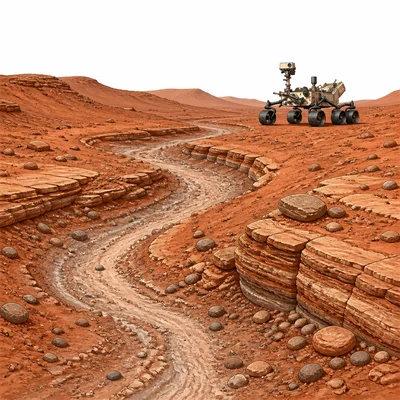
Mars rovers such as Spirit, Opportunity, Curiosity, and Perseverance have searched for clues about water. Why is evidence of past water important in the study of Mars?
- 9
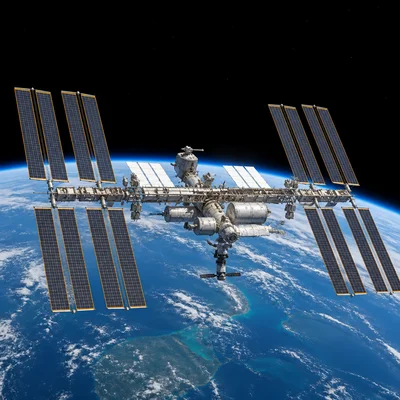
The International Space Station is a laboratory in orbit around Earth. Describe one way research on the space station can help future missions to the Moon or Mars.
- 10
Put these events in chronological order from earliest to latest: Apollo 11 Moon landing, Sputnik 1 launch, first human orbit by Yuri Gagarin, Mars rover Perseverance landing.
- 11
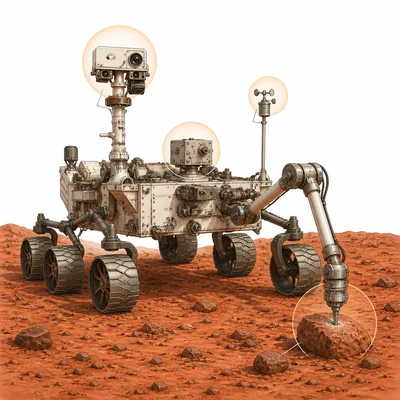
A Mars rover uses cameras, drills, weather sensors, and chemical instruments. Choose two of these tools and explain what each one helps scientists learn.
- 12
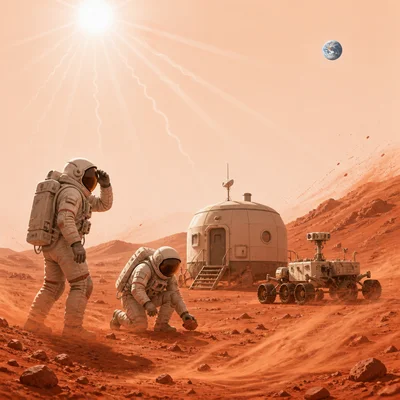
Future human missions to Mars will face challenges. Describe two challenges astronauts would need to prepare for during a mission to Mars.