Practice explaining how migration, hibernation, and camouflage help animals meet their needs and survive in their environments.
Read each problem carefully. Write complete sentences when explaining your answers.
How animals survive seasonal changes and avoid danger
Biology - Grade 4-5
- 1
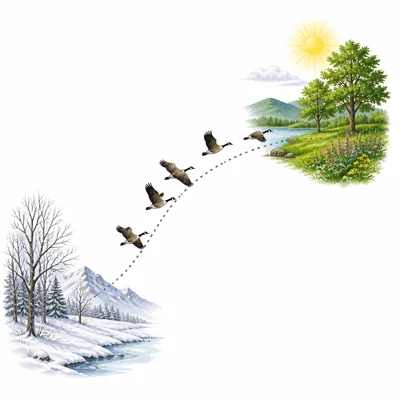
Define migration in your own words. Give one example of an animal that migrates.
- 2
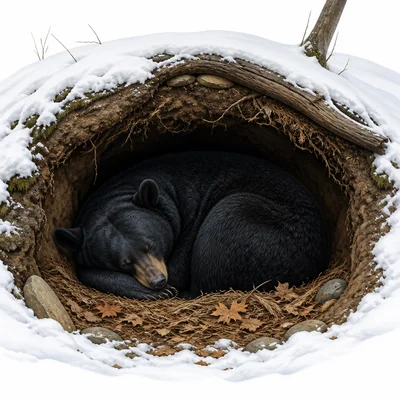
Define hibernation in your own words. Give one example of an animal that hibernates or becomes very inactive during cold months.
- 3
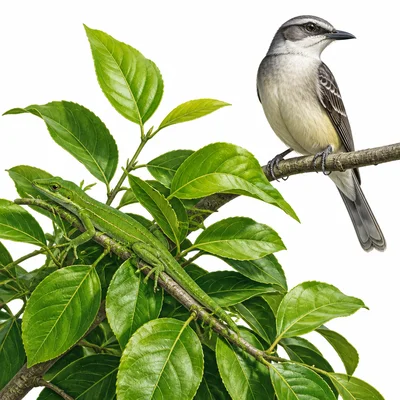
Define camouflage in your own words. Explain how camouflage helps an animal survive.
- 4
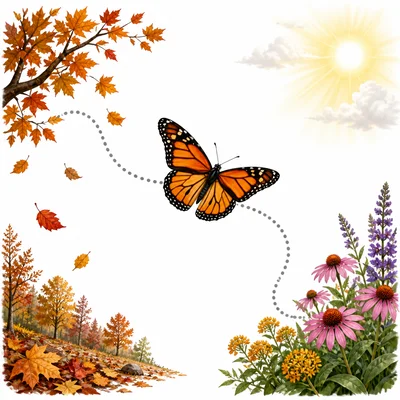
A monarch butterfly travels a long distance to a warmer area when the seasons change. Is this behavior migration, hibernation, or camouflage? Explain your answer.
- 5
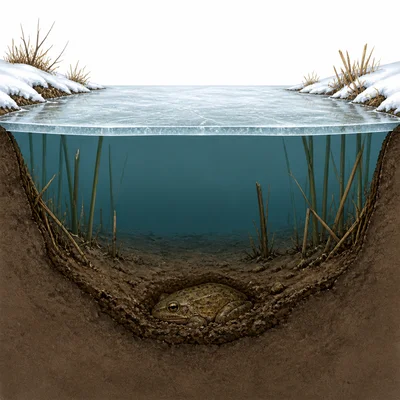
A frog buries itself in mud and becomes very inactive during a cold winter. Is this behavior migration, hibernation, or camouflage? Explain your answer.
- 6
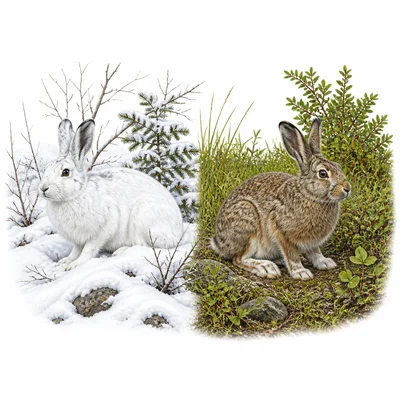
A snowshoe hare grows white fur in winter and brown fur in summer. Is this an example of migration, hibernation, or camouflage? Explain your answer.
- 7
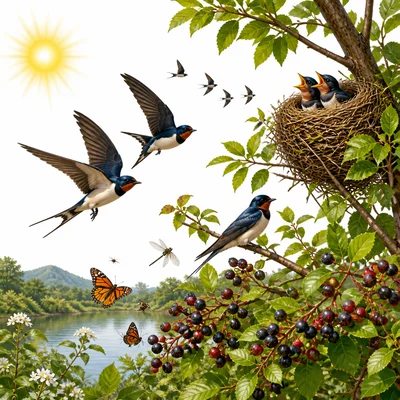
Complete the sentence: Many birds migrate because they need to find warmer weather, more food, or safe places to raise their young. Explain why each of these needs is important for survival.
- 8
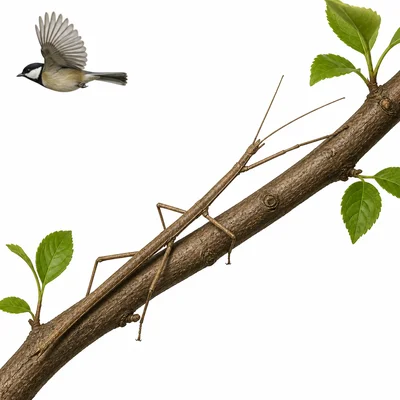
A brown walking stick insect rests on a brown tree branch. A bird flies by and does not notice it. Explain how the insect's body helps it survive.
- 9
Compare migration and hibernation. Write one way they are alike and one way they are different.
- 10
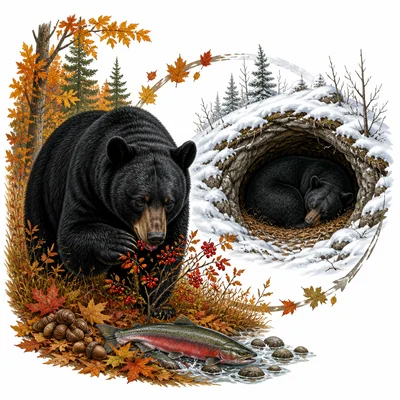
A black bear eats a lot of food in the fall before spending much of the winter resting in a den. Why is eating extra food before winter helpful?
- 11
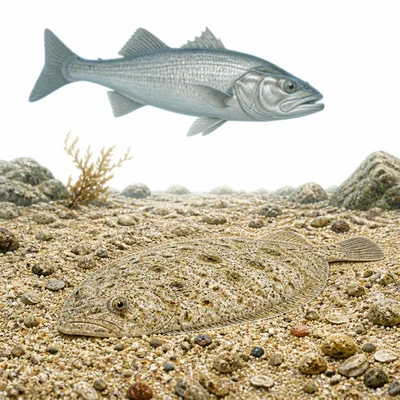
A fish that lives near the sandy ocean floor has a light brown body with speckles. How does this trait help the fish?
- 12
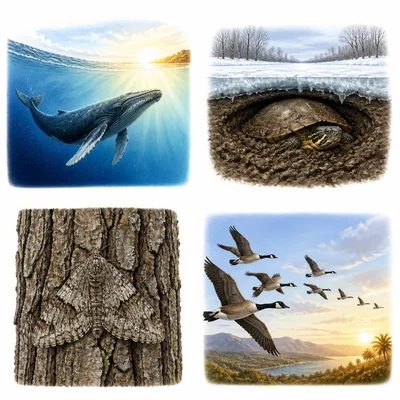
Sort these animal behaviors into the correct groups: a whale swimming to warmer waters, a turtle resting through winter in mud, a moth that looks like tree bark, and geese flying south.
- 13
Why might an animal that stays active all winter need a different survival strategy than an animal that hibernates?
- 14
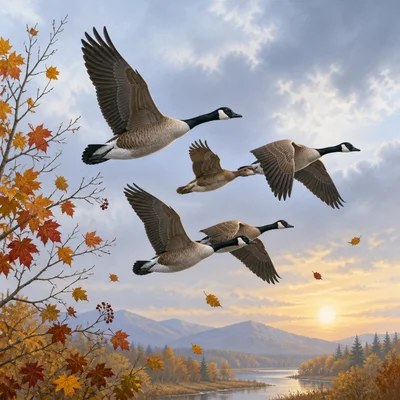
A young bird is born in the north during summer. In the fall, it follows older birds to the south. What cues might help birds know when to migrate?
- 15
Choose one animal and describe a survival behavior or trait it has. Tell whether it is migration, hibernation, or camouflage, and explain how it helps the animal survive.