Practice explaining kidney structure, nephron function, urine formation, and the role of the excretory system in homeostasis.
Read each problem carefully. Use complete sentences and include key biology vocabulary when appropriate. Show your work for any calculations.
How kidneys filter blood and help maintain internal balance
Biology - Grade 9-12
- 1
Describe the main functions of the excretory system in humans. Include at least three functions in your answer.
- 2
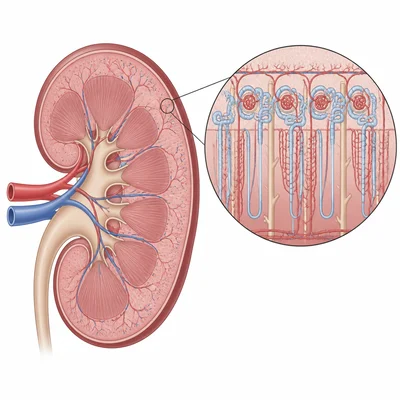
A nephron is the functional unit of the kidney. Identify the main job of the nephron and explain why kidneys contain so many nephrons.
- 3
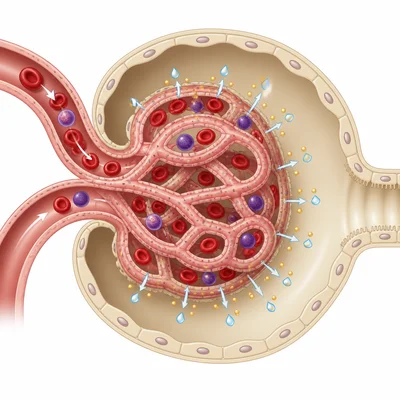
Explain what happens during filtration in the glomerulus and Bowman's capsule.
- 4
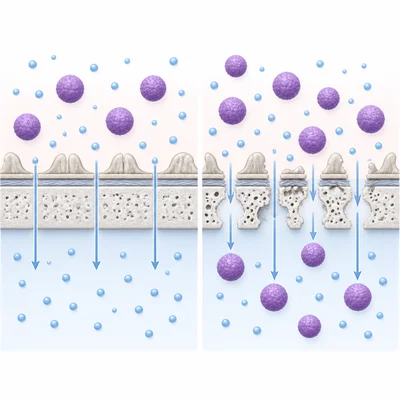
A blood test shows protein in a patient's urine. Explain why this may suggest damage to the kidney's filtration membrane.
- 5
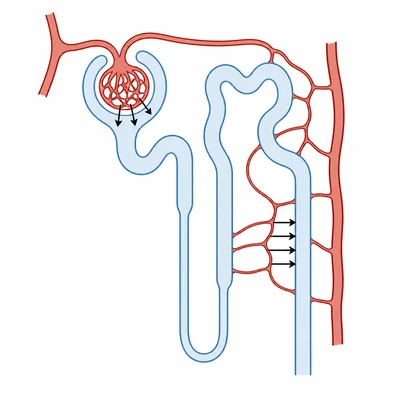
Compare filtration and reabsorption in the nephron. Describe where materials move during each process.
- 6
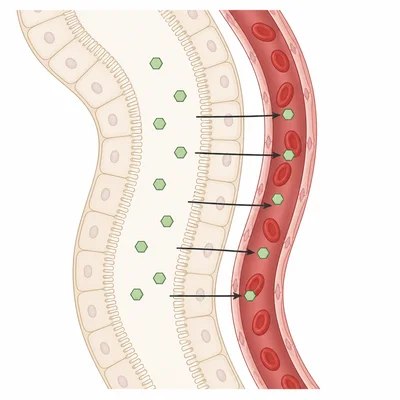
A diagram shows glucose entering the nephron filtrate and then leaving the tubule to return to the blood. Name this process and explain why it is important.
- 7
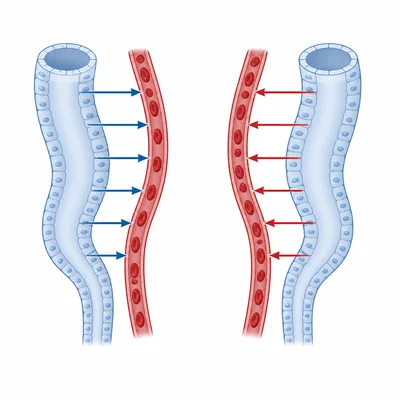
Explain how secretion differs from reabsorption in urine formation.
- 8
A student drinks a large amount of water. Predict how this will affect urine volume and urine concentration if the kidneys are functioning normally. Explain your reasoning.
- 9
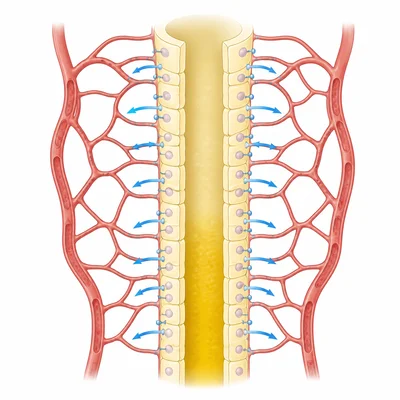
Antidiuretic hormone, or ADH, increases water reabsorption in the collecting ducts. Predict what happens to urine volume and concentration when ADH levels rise.
- 10
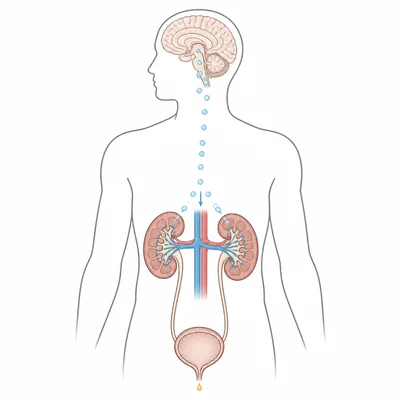
During dehydration, the body must maintain homeostasis. Explain how the kidneys help respond to dehydration.
- 11
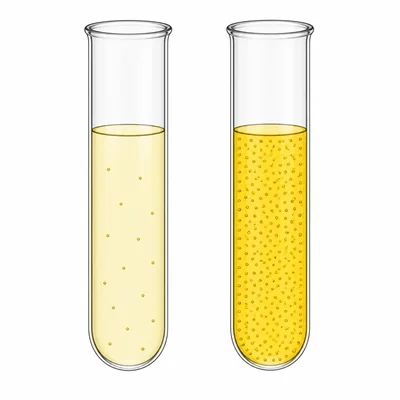
The table shows two urine samples. Sample A is pale yellow with low solute concentration. Sample B is dark yellow with high solute concentration. Which sample is more likely from a dehydrated person, and why?
- 12
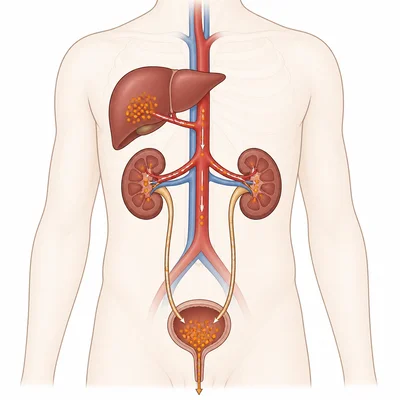
Urea is a nitrogen-containing waste made when proteins are broken down. Explain how urea travels through the body and leaves it.