Practice explaining how the composition and structure of ceramics, alloys, and composites affect their properties and real-world uses.
Read each problem carefully. Use complete sentences when explaining your reasoning. Show calculations where needed.
Comparing structure, properties, and uses of engineered materials
Chemistry - Grade 9-12
- 1
Define ceramic, alloy, and composite in your own words. Give one example of each material type.
- 2
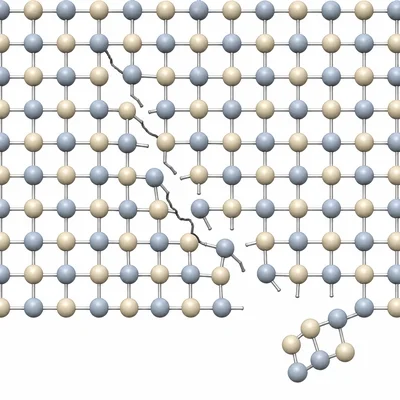
A ceramic mug is hard and heat resistant, but it can shatter if dropped. Explain how these properties are related to the bonding and structure of ceramics.
- 3
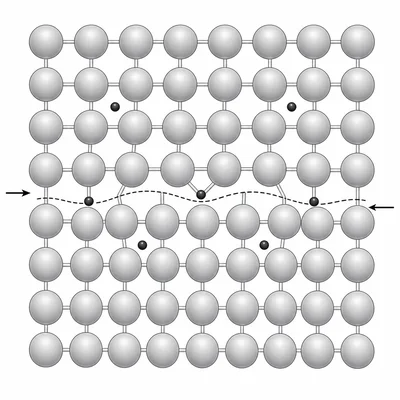
Steel is an alloy made mostly of iron with a small amount of carbon. Explain why adding carbon can make iron stronger.
- 4
Classify each item as a ceramic, alloy, composite, or pure metal: aluminum foil, bronze statue, glass window, fiberglass boat, copper wire, and concrete sidewalk.
- 5
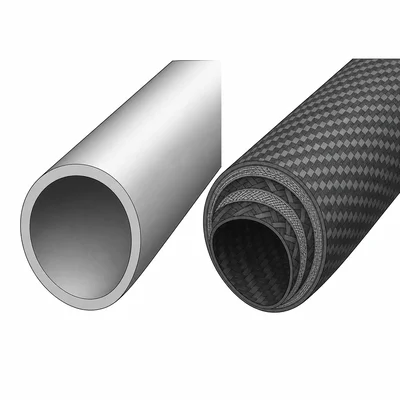
A bicycle frame needs to be strong, lightweight, and resistant to corrosion. Compare aluminum alloy and carbon fiber composite as possible choices for the frame.
- 6
Explain why alloys often have different properties than the pure metals they contain.
- 7
A sample of brass contains 70.0 g of copper and 30.0 g of zinc. What is the percent by mass of copper in the brass?
- 8
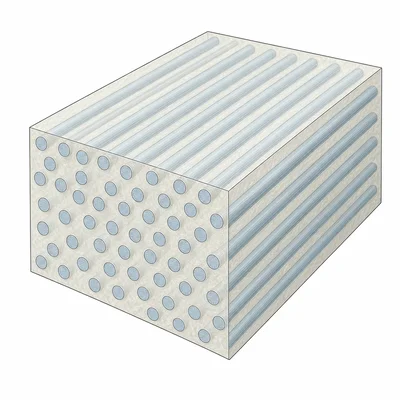
A composite material has a polymer matrix reinforced with glass fibers. Describe the role of the matrix and the role of the fibers.
- 9
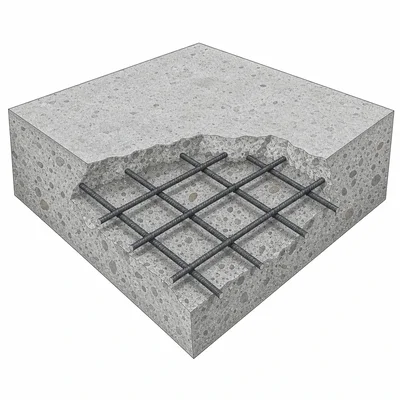
Why is reinforced concrete considered a composite material? Explain what each component contributes.
- 10
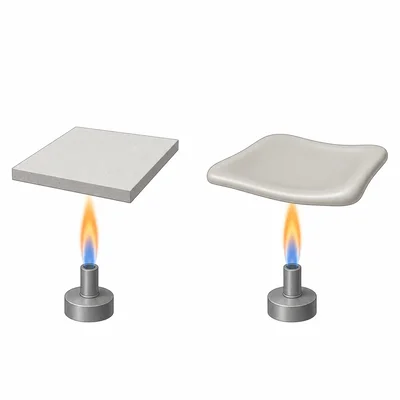
A ceramic tile and a plastic tile are heated with the same small flame for the same amount of time. The ceramic tile does not melt, but the plastic tile softens. What does this suggest about the bonding and thermal properties of many ceramics?
- 11
List two properties that make ceramics useful for electrical insulators, and explain why those properties matter.
- 12
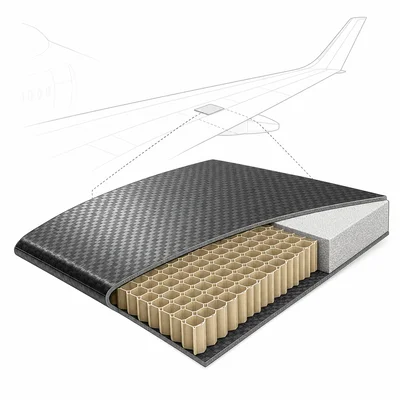
A manufacturer wants a material for airplane parts that has a high strength-to-mass ratio. Explain why some composites are useful for this purpose.
- 13
Compare brittleness and ductility. Which property is more typical of ceramics, and which is more typical of many metals and alloys?
- 14
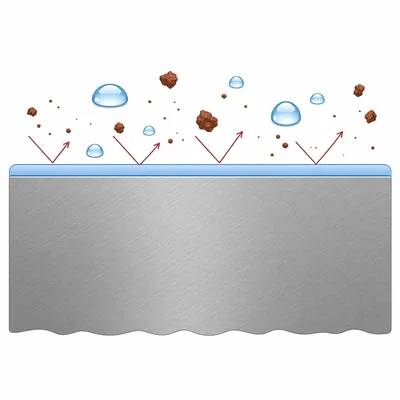
A stainless steel spoon resists rust better than a plain iron spoon. Stainless steel contains iron, carbon, and chromium. Explain the role chromium can play in corrosion resistance.
- 15
Choose the best material type for each use and justify your choices: a kitchen knife blade, a heat-resistant furnace lining, and a lightweight tennis racket frame. Use alloy, ceramic, or composite at least once.