Practice identifying climate zones and biomes, comparing temperature and precipitation patterns, and explaining how living things adapt to different environments.
Read each problem carefully. Use complete sentences when explaining your thinking. Show your work in the space provided.
Exploring how climate shapes ecosystems around the world
Earth Science - Grade 6-8
- 1
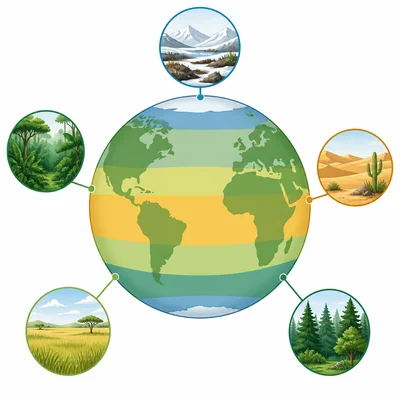
Define climate zone and biome. Explain how the two ideas are related but not exactly the same.
- 2
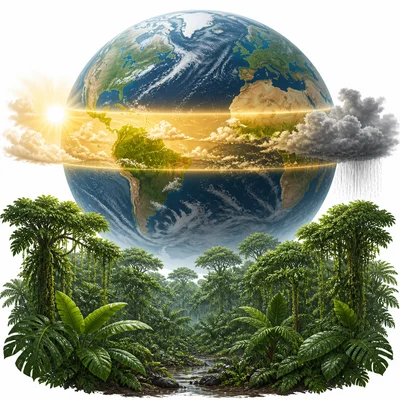
The tropical climate zone is found near the equator. Describe two climate conditions that are common there and name one biome often found in this zone.
- 3
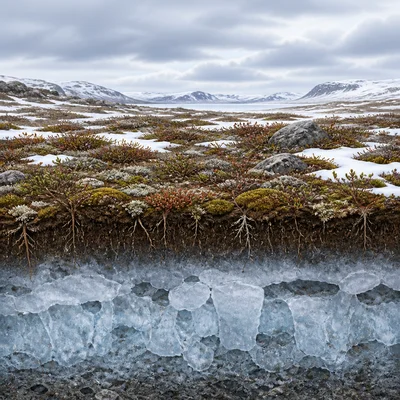
A region has very cold winters, short cool summers, and low plant growth. The ground may stay frozen for much of the year. Identify the most likely biome and explain your reasoning.
- 4
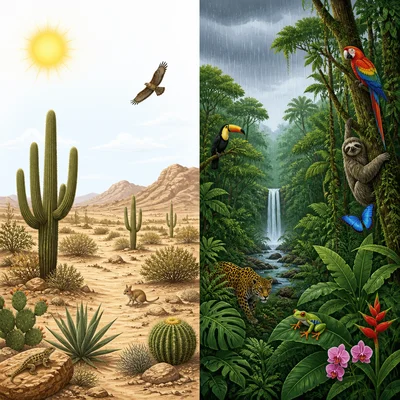
Compare a desert biome and a tropical rainforest biome in terms of precipitation and biodiversity.
- 5
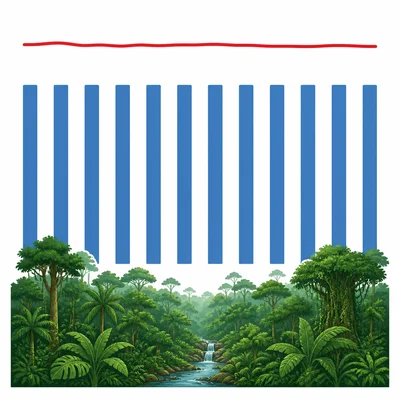
Use the climate graph described here: Average monthly temperatures stay between 24°C and 28°C all year. Rainfall is high every month, often above 150 mm. Which biome does this climate graph most likely represent? Explain.
- 6
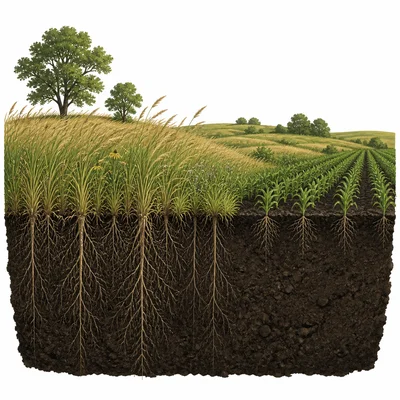
Why are temperate grasslands often good areas for farming, even though they may not have many trees?
- 7
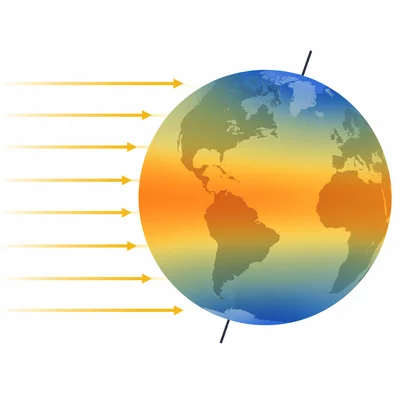
Explain how latitude affects climate. Include why areas near the equator are usually warmer than areas near the poles.
- 8
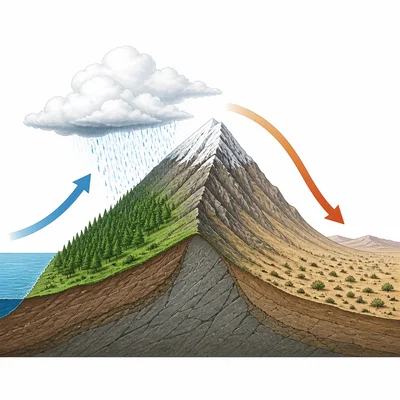
A mountain range has a wet forest on one side and a dry shrubland or desert on the other side. What Earth science process can explain this pattern?
- 9
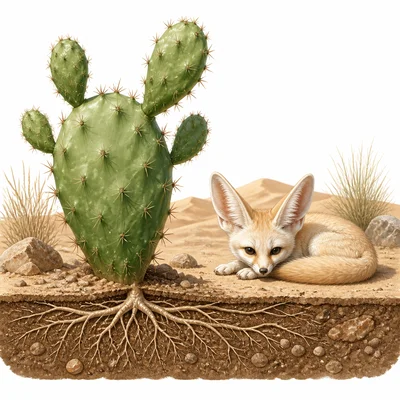
List one plant adaptation and one animal adaptation that help organisms survive in a desert biome.
- 10
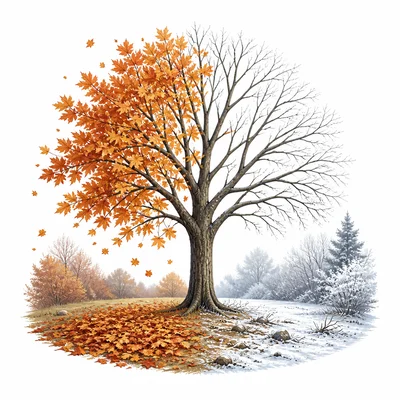
Deciduous forests have trees that lose their leaves in the fall. How is this leaf loss an adaptation to seasonal climate changes?
- 11
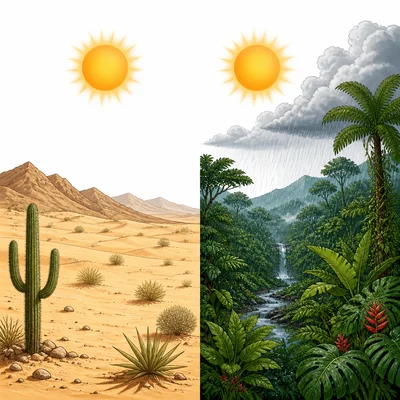
A student says, "All hot places are deserts." Explain why this statement is incorrect using climate and biome evidence.
- 12
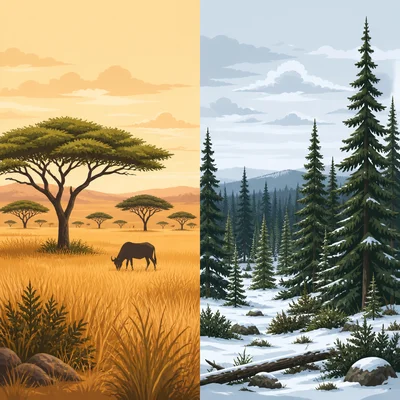
Study the biome descriptions: Biome A has tall grasses, scattered trees, warm temperatures, and wet and dry seasons. Biome B has many evergreen needleleaf trees, long cold winters, and short summers. Identify each biome.
- 13
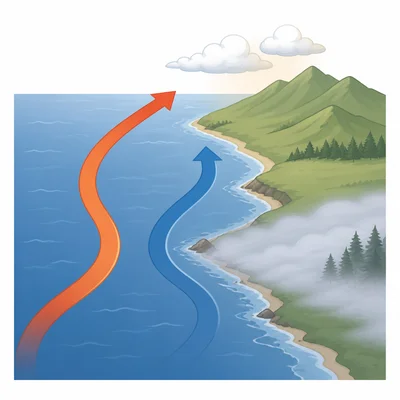
How can ocean currents influence the climate of nearby land areas?
- 14
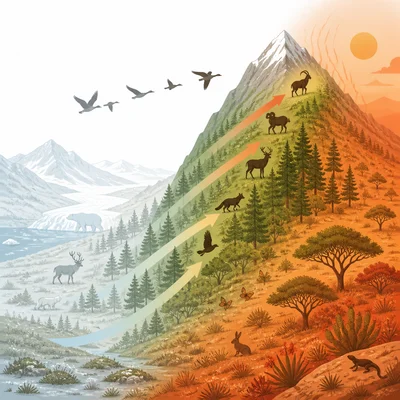
Climate change can shift climate zones over time. Describe one possible effect this could have on a biome and the organisms living there.
- 15
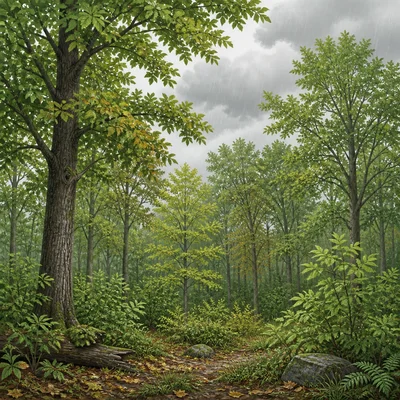
A region receives moderate precipitation throughout the year and has warm summers, cool winters, and forests with broadleaf trees. Which biome is most likely found there? Explain your answer.