Analyze stormwater runoff problems and practice designing engineering solutions such as rain gardens, permeable pavement, detention basins, and green roofs.
Read each problem carefully. Show calculations, explain design choices, and use engineering reasoning to support your answers.
Designing systems that reduce flooding, erosion, and water pollution
Engineering - Grade 9-12
- 1
A school parking lot has an area of 2,400 square meters. During a storm, 3.0 centimeters of rain falls. Assuming all rain becomes runoff, calculate the runoff volume in cubic meters.
- 2
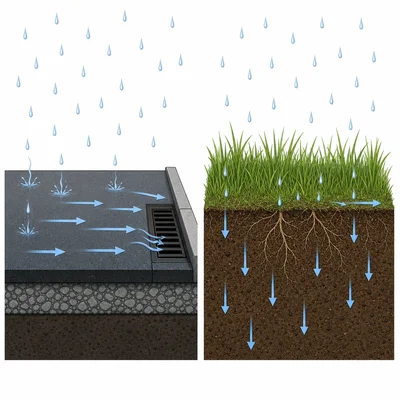
Explain why a paved parking lot usually creates more stormwater runoff than a grassy field of the same size.
- 3
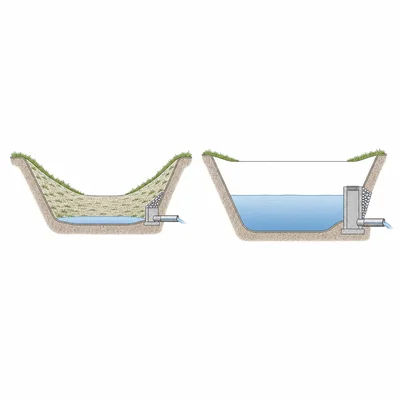
An engineer is choosing between a detention basin and a retention pond for a neighborhood. Describe the main difference between these two stormwater controls.
- 4
A proposed rain garden will receive runoff from a 300 square meter roof. A design storm produces 2.5 centimeters of rain, and the runoff coefficient for the roof is 0.95. Estimate the runoff volume using V = CAd, where C is runoff coefficient, A is area, and d is rainfall depth in meters.
- 5
List two pollutants commonly carried by stormwater runoff from roads and explain one possible environmental effect of each.
- 6
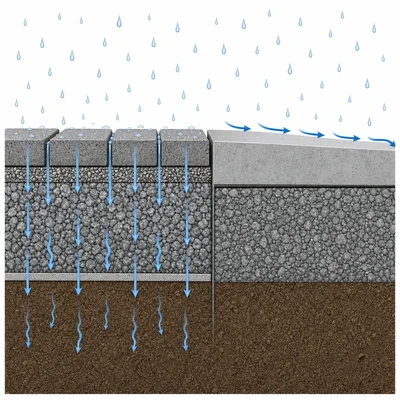
A city is considering permeable pavement for a sidewalk project. Explain how permeable pavement reduces runoff compared with traditional concrete.
- 7
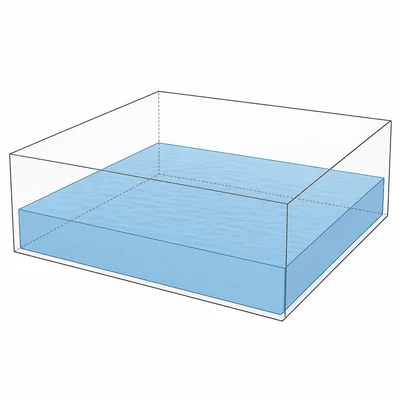
A detention basin must store 180 cubic meters of stormwater. If the basin has a rectangular bottom area of 300 square meters, what average water depth is needed to store that volume?
- 8
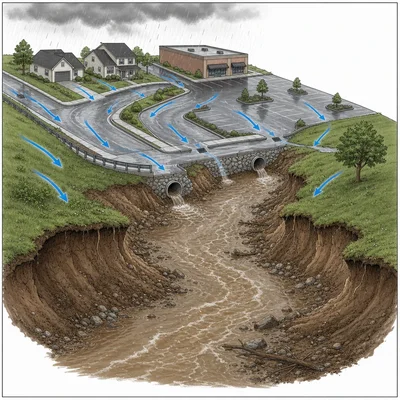
A stream near a new development shows eroded banks after heavy rain. Explain how increased impervious surfaces can contribute to this erosion.
- 9
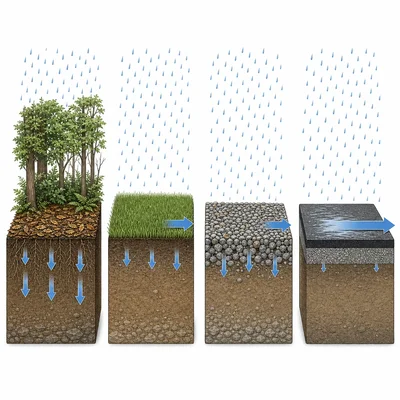
Rank these surfaces from lowest to highest expected runoff for the same rainstorm: forest soil, compacted lawn, asphalt, gravel path. Explain your ranking.
- 10
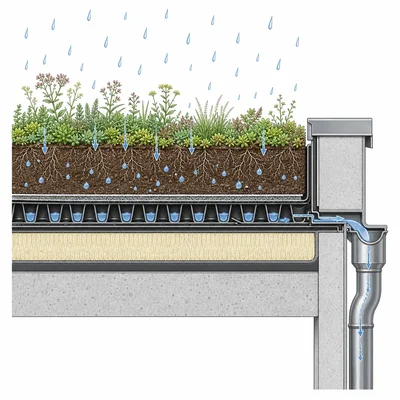
A green roof is installed on a 500 square meter building. During a 4.0 centimeter rainstorm, the green roof retains 60 percent of the rainfall. How many cubic meters of runoff are prevented?
- 11
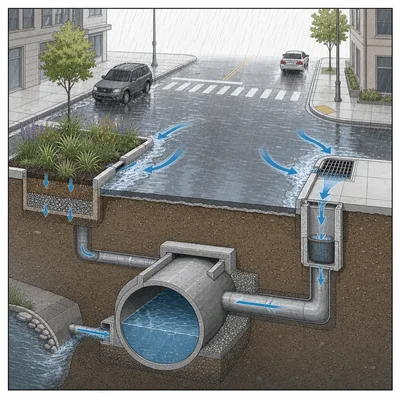
A neighborhood wants to reduce flooding at an intersection where storm drains overflow during intense storms. Propose two engineering solutions and explain how each would help.
- 12
Explain why engineers often design stormwater systems for a selected design storm, such as a 10-year or 100-year storm, instead of designing for every possible storm.
- 13
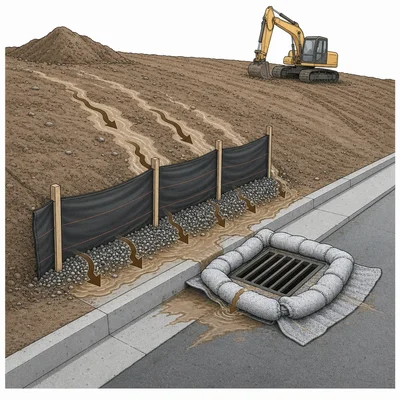
A construction site has exposed soil near a storm drain. Identify two temporary erosion and sediment control practices that should be used and explain their purpose.
- 14
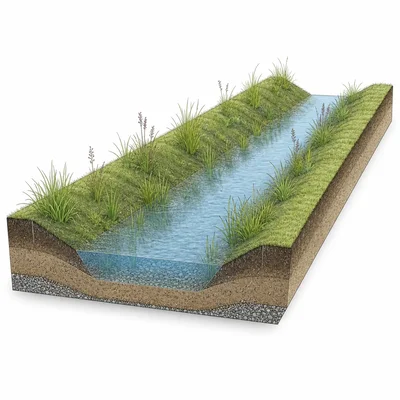
A proposed bioswale is 20 meters long and 2 meters wide. It can temporarily pond water to an average depth of 0.25 meters. Calculate its storage volume in cubic meters.
- 15
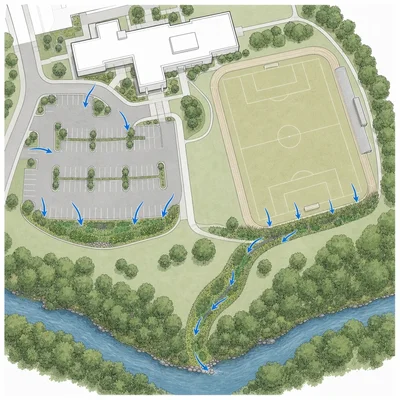
Create a brief design recommendation for a high school campus that has flooding near a parking lot, muddy runoff from a sports field, and warm runoff entering a nearby stream. Include at least three stormwater strategies and explain why they fit the problems.