Practice identifying major types of pollution, common pollution sources, and ways human activities affect air, water, and land.
Read each problem carefully. Identify the type of pollution, its likely source, and how it may affect the environment or human health. Show your work in the space provided.
Identifying pollution types and where they come from
Environmental Science - Grade 6-8
- 1
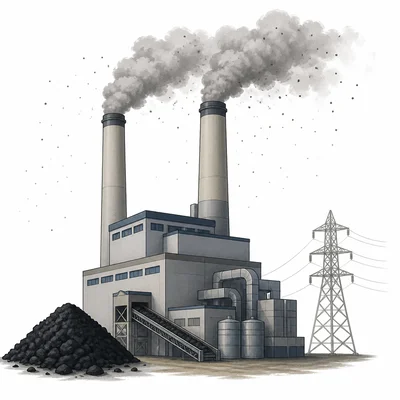
A factory burns coal to make electricity. Smoke from the smokestacks contains gases and tiny particles that spread through the air. What type of pollution is this, and what is the source?
- 2
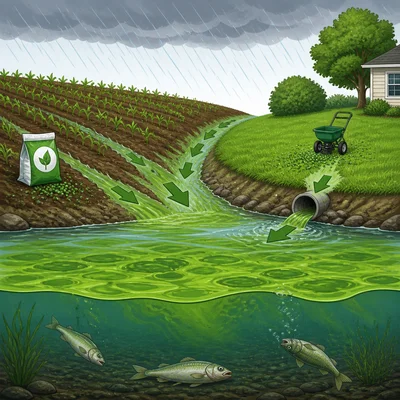
After a heavy rain, fertilizer from lawns and farms washes into a nearby river. Algae grow quickly and fish begin to die. What type of pollution is described, and why can it harm fish?
- 3
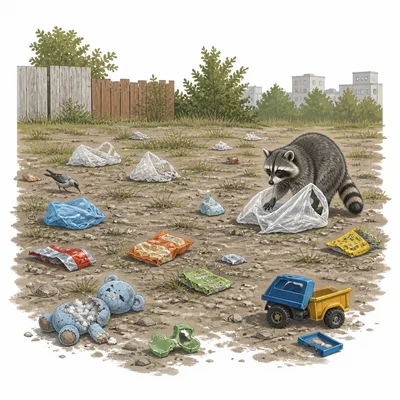
A family throws plastic bags, food wrappers, and broken toys into an empty lot instead of using trash bins. What type of pollution is this, and what is one possible effect on wildlife?
- 4
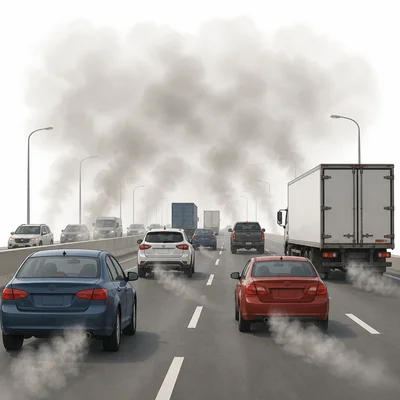
A busy highway has thousands of cars and trucks each day. The vehicles release exhaust that contains carbon monoxide, nitrogen oxides, and other pollutants. Identify the pollution type and the source.
- 5
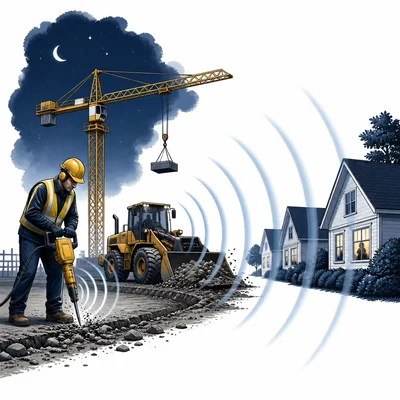
A construction crew works late at night using loud machines near a neighborhood. Residents report trouble sleeping. What type of pollution is this, and what is the source?
- 6

A city has many bright signs, streetlights, and building lights that shine upward into the night sky. People can no longer see many stars. What type of pollution is this, and what causes it?
- 7
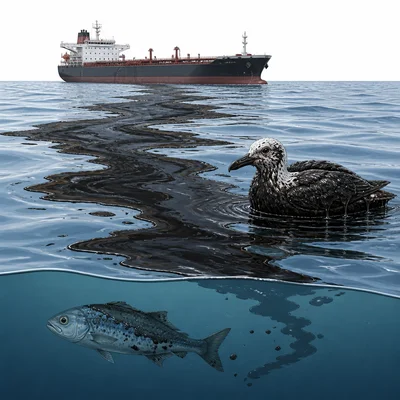
A tanker ship leaks oil into the ocean. The oil coats seabirds and floats on the water surface. What type of pollution is this, and name one way it can affect marine life.
- 8
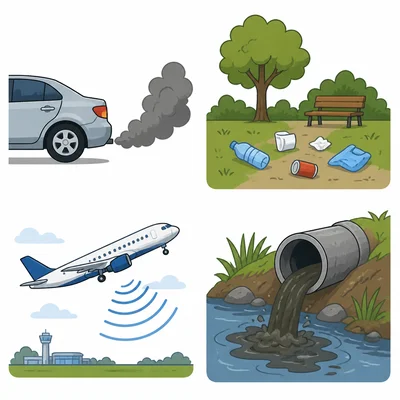
Sort each source into the most likely pollution type: car exhaust, litter in a park, loud airport traffic, and sewage leaking into a stream.
- 9
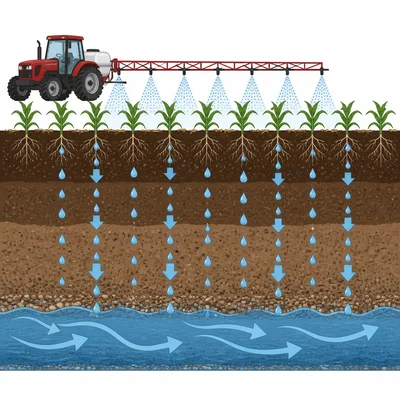
A farm uses pesticides to kill insects. Some of the pesticides soak into the soil and later enter groundwater. Identify two types of pollution that may be involved and explain your reasoning.
- 10
A student says, "Pollution only comes from factories." Explain why this statement is incorrect using at least two examples of other pollution sources.
- 11
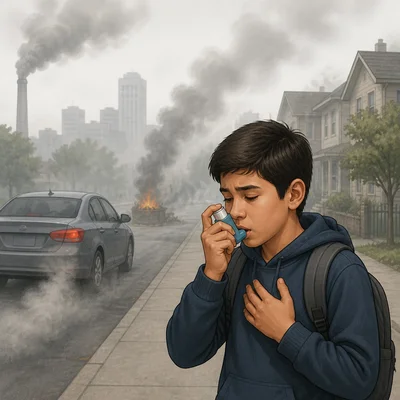
A community notices more asthma attacks on days when the air looks hazy and smells smoky. What pollution type could be contributing to the problem, and what are two possible sources?
- 12
Choose one pollution problem from this list: plastic in the ocean, smoke from burning trash, or chemical runoff from a farm. Identify the pollution type, source, and one action that could reduce it.