Practice identifying complementary and supplementary angles and finding missing angle measures.
Read each problem carefully. Use the definitions of complementary and supplementary angles to find each answer. Show your work in the space provided.
Finding missing angles that add to 90 degrees or 180 degrees
Math - Grade 6-8
- 1
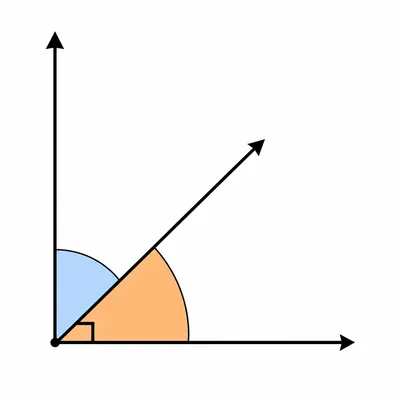
Two angles are complementary. One angle measures 35 degrees. What is the measure of the other angle?
- 2
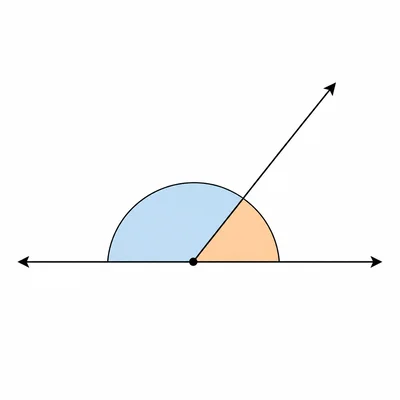
Two angles are supplementary. One angle measures 112 degrees. What is the measure of the other angle?
- 3
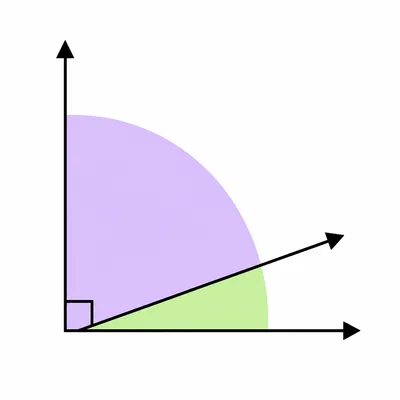
Angles A and B are complementary. Angle A measures 27 degrees. Write and solve an equation to find the measure of angle B.
- 4
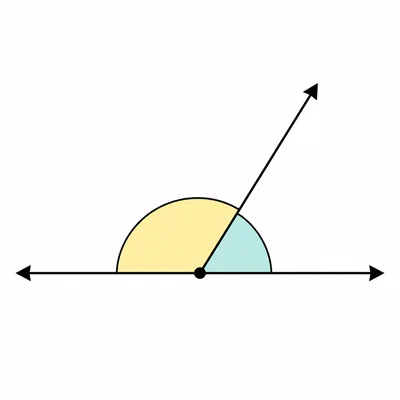
Angles C and D are supplementary. Angle C measures 49 degrees. Write and solve an equation to find the measure of angle D.
- 5
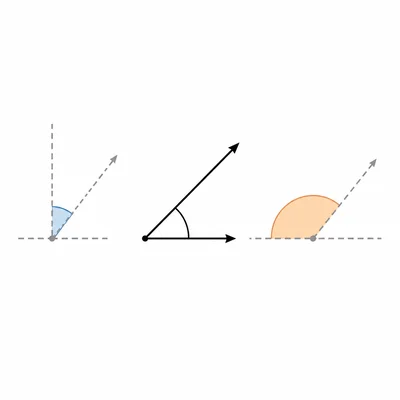
An angle measures 64 degrees. Is its complement or its supplement larger? Find both angle measures and explain.
- 6
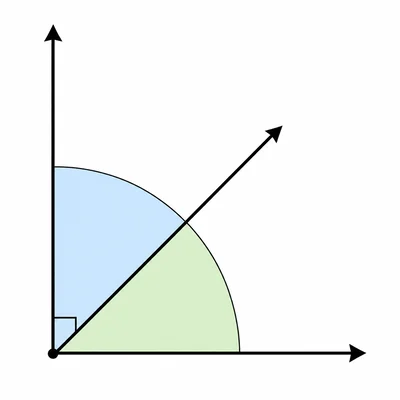
An angle and its complement have equal measures. What is the measure of each angle?
- 7
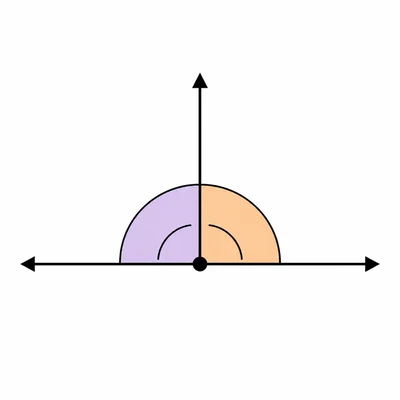
An angle and its supplement have equal measures. What is the measure of each angle?
- 8
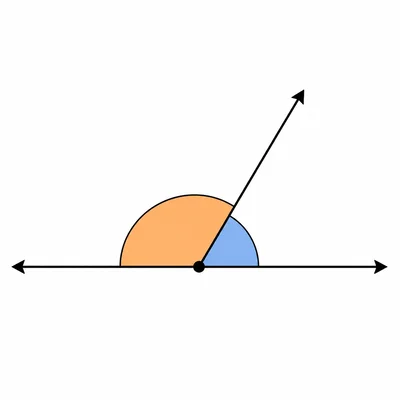
Two angles form a straight line. One angle measures 73 degrees. What is the measure of the other angle, and what relationship do the angles have?
- 9
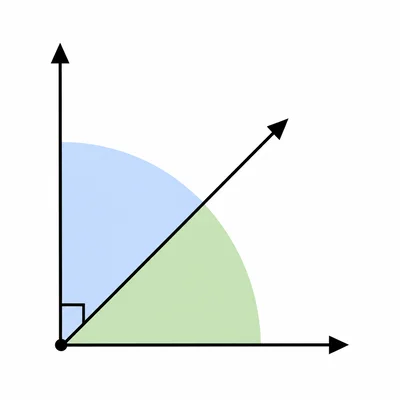
The measure of an angle is x degrees. Its complement measures 2x degrees. Find the value of x and the measure of each angle.
- 10
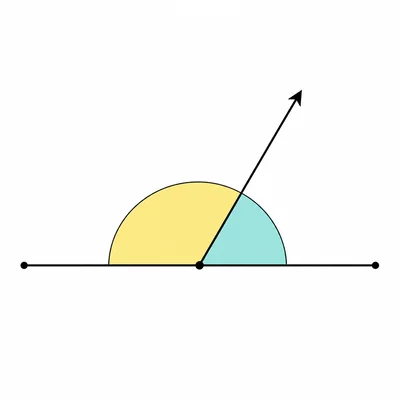
The measure of an angle is x degrees. Its supplement measures x + 40 degrees. Find the value of x and the measure of each angle.
- 11
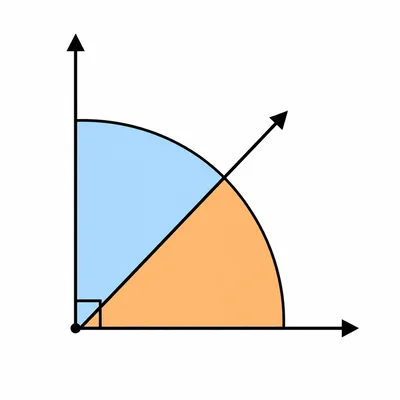
Decide whether angles measuring 38 degrees and 52 degrees are complementary, supplementary, or neither. Explain your answer.
- 12
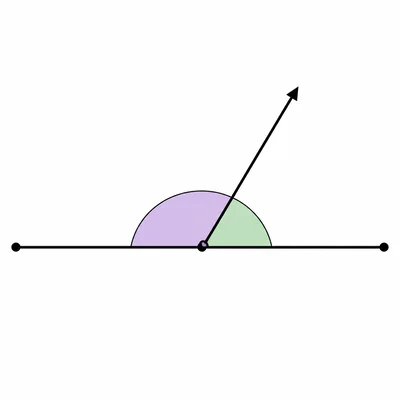
Decide whether angles measuring 95 degrees and 85 degrees are complementary, supplementary, or neither. Explain your answer.