Practice connecting sound wave properties to the design and sound of musical instruments.
Read each problem carefully. Use complete sentences when explaining your thinking. Show calculations when needed.
Explore how vibration, pitch, volume, and materials shape musical instruments
Music - Grade 6-8
- 1
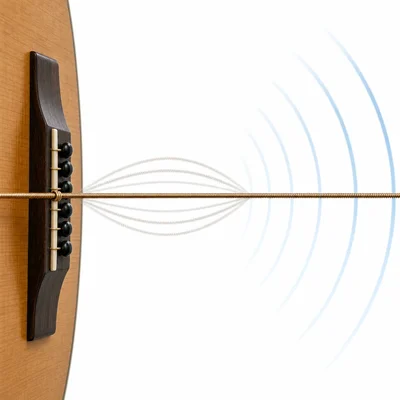
A guitar string vibrates 220 times each second. What is the frequency of the sound wave it produces, and what unit should be used?
- 2
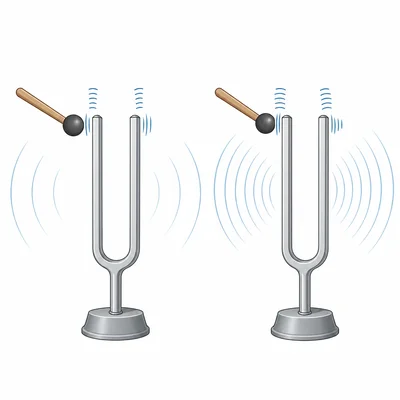
Two tuning forks are struck. Fork A vibrates at 256 Hz, and Fork B vibrates at 512 Hz. Which tuning fork produces the higher pitch? Explain why.
- 3
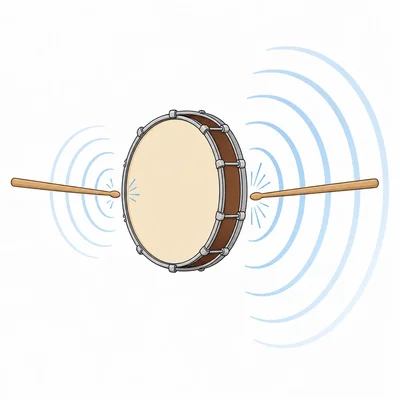
A drum is hit softly, then hit harder. The pitch stays about the same, but the sound becomes louder. What property of the sound wave changed?
- 4
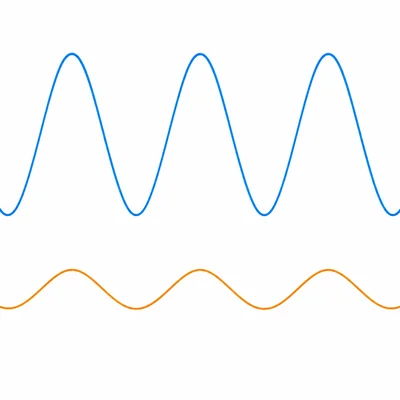
Look at two sound waves. Wave X has tall peaks and low valleys. Wave Y has short peaks and shallow valleys. If both waves have the same frequency, which wave sounds louder? Explain.
- 5
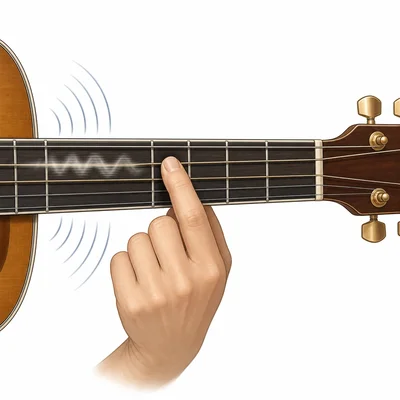
A student shortens the vibrating part of a guitar string by pressing it against a fret. How does this change the pitch, and why?
- 6
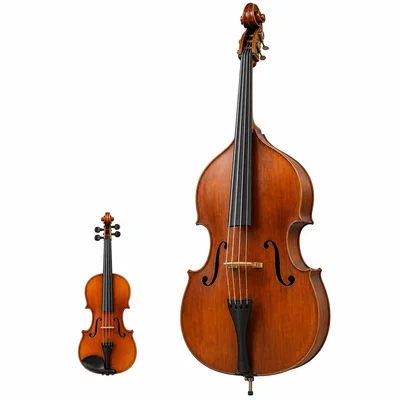
A string bass has much longer and thicker strings than a violin. Explain how this helps the bass make lower notes.
- 7
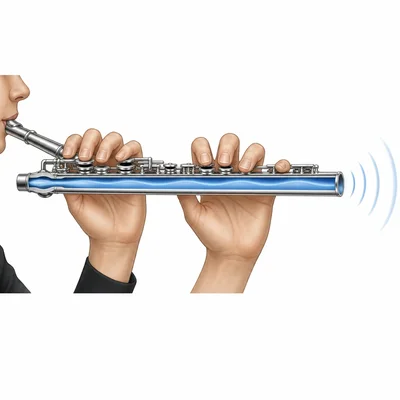
A flute player covers more holes on the flute. This makes the vibrating air column longer. How does the pitch change?
- 8
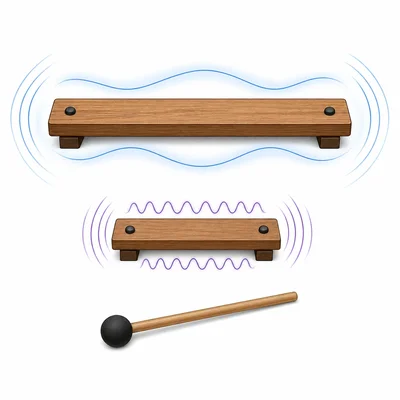
An instrument maker wants a xylophone bar to make a lower note. Should the maker generally make the bar longer or shorter? Explain.
- 9

A rubber band stretched around a box makes a sound when plucked. When the rubber band is stretched tighter, what happens to the pitch? Explain the science behind your answer.
- 10
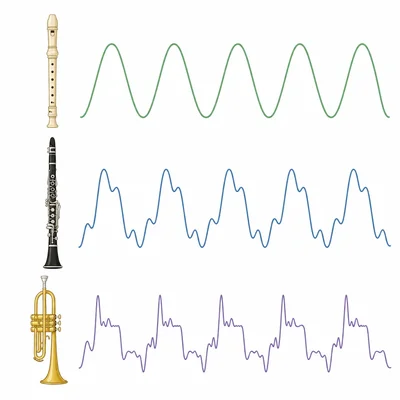
A recorder, a clarinet, and a trumpet can play the same note, but they still sound different. What sound quality helps you tell the instruments apart?
- 11
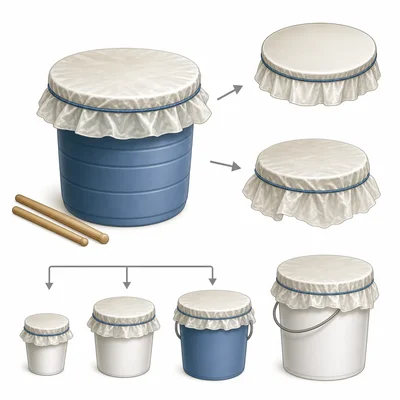
A student designs a simple drum using a container and a stretched plastic cover. Name two design changes that could affect the drum's sound, and explain how one of them might change the sound.
- 12
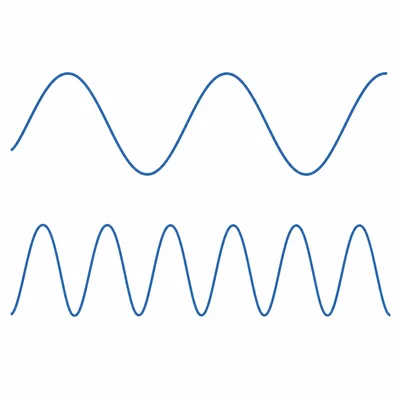
A sound wave has a frequency of 400 Hz. Another sound wave has a frequency of 800 Hz. How do their pitches compare?
- 13
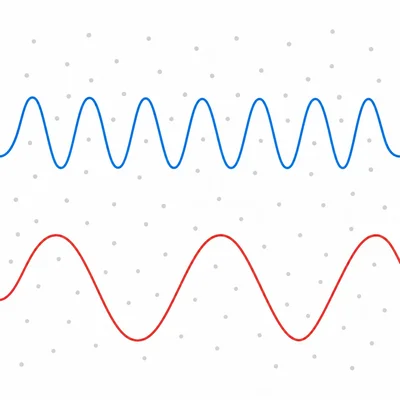
In the diagram, Wave A has peaks that are close together. Wave B has peaks that are farther apart. If the waves travel through the same material, which wave has the higher frequency? Explain.
- 14
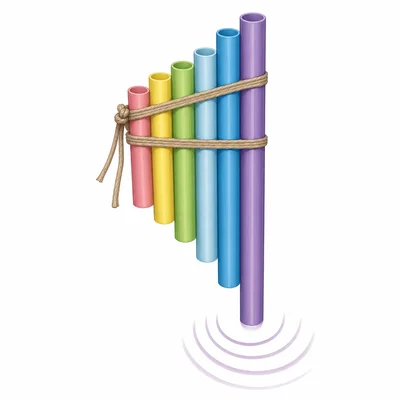
A student builds a pan flute using straws of different lengths. Which straw should make the lowest note: the shortest straw or the longest straw? Explain.
- 15
You are designing a new classroom instrument from recycled materials. Describe one part that will vibrate, one way to change its pitch, and one way to make it louder.