Practice explaining how memory bias, suggestion, stress, and lineup procedures can influence eyewitness testimony.
Read each problem carefully. Use complete sentences and psychology vocabulary when possible. Show your reasoning in the space provided.
How memory errors can affect what witnesses report
Psychology - Grade 9-12
- 1
Define memory bias in your own words. Then give one example of how memory bias could affect a witness describing a crime.
- 2
A witness sees a car accident. Later, an interviewer asks, "How fast was the car going when it smashed into the truck?" Explain why this question could change the witness's memory.
- 3
Explain the misinformation effect and describe one way it can occur in an eyewitness situation.
- 4
A student says, "Eyewitnesses are always reliable because they were actually there." Write a response that agrees or disagrees using evidence from psychology.
- 5
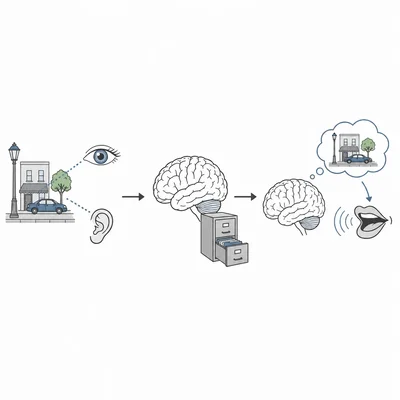
Look at the diagram of three memory stages: encoding, storage, and retrieval. For each stage, name one problem that could reduce the accuracy of eyewitness testimony.
- 6

A witness briefly sees a suspect at night from across a parking lot. List two factors that might make the witness's identification less accurate and explain why.
- 7
Explain why high confidence does not always mean high accuracy in eyewitness testimony.
- 8
A police officer tells a witness, "Good job, you picked the same person another witness picked." Explain how this feedback could affect the witness.
- 9
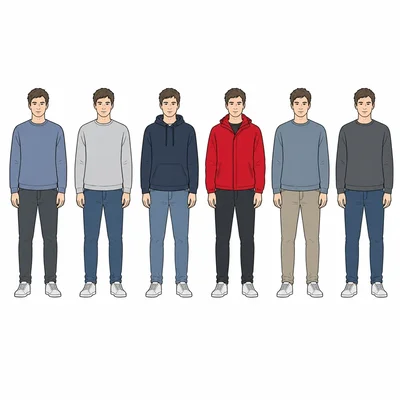
In a lineup, the suspect is the only person wearing a bright red jacket that was mentioned in the crime report. Explain the problem with this lineup and how it could be improved.
- 10
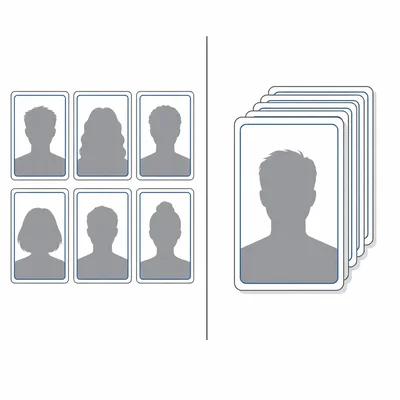
Describe the difference between a simultaneous lineup and a sequential lineup. Explain why a sequential lineup may reduce some false identifications.
- 11
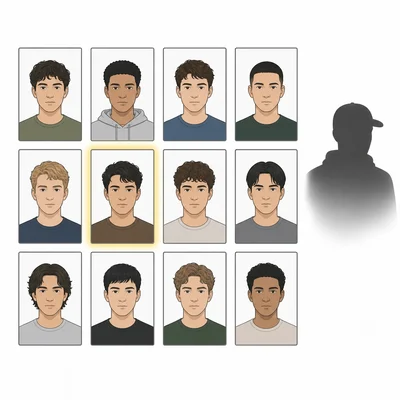
A witness is asked to identify a suspect from a group of photos. The real culprit is not included. Explain why this situation can lead to a false identification.
- 12
Explain how stress during a crime might affect attention and memory. Include both a possible helpful effect and a possible harmful effect.
- 13
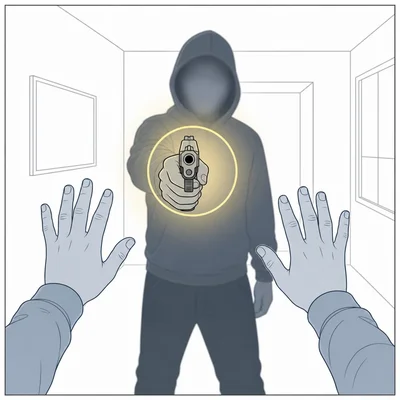
A robbery victim focuses on the weapon during the crime and later cannot clearly describe the robber's face. Identify this effect and explain it.
- 14
A witness says, "I remember the suspect had a tattoo because I read in the news that police were looking for someone with a tattoo." Explain what source monitoring error might be involved.
- 15
Write two recommended practices that investigators can use to make eyewitness evidence more reliable. Explain why each practice helps.