Practice explaining psychotherapy, medication, cognitive behavioral therapy, and evidence-based treatment choices in psychology.
Read each problem carefully. Answer in complete sentences and use psychological terms accurately. This worksheet is for learning and is not medical advice.
Comparing common mental health treatments and how they work
Psychology - Grade 9-12
- 1
In psychology, what is a treatment? Explain how a mental health treatment is different from simply giving advice to a friend.
- 2
Compare psychotherapy and medication as treatments for mental health conditions. Include one goal of each.
- 3
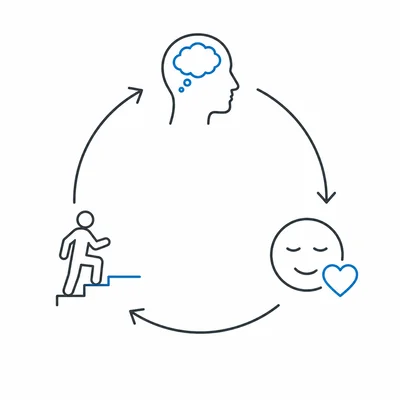
Cognitive behavioral therapy, or CBT, focuses on the connection between thoughts, feelings, and behaviors. Give an example of how changing one part of this cycle could affect the others.
- 4
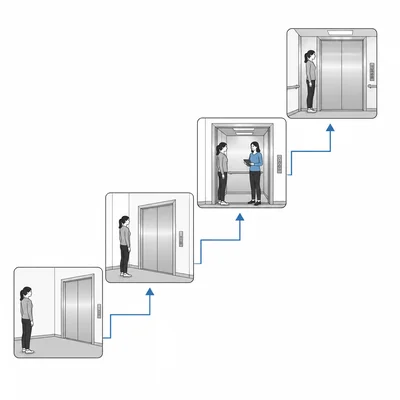
A person is afraid of elevators and avoids them every day. A therapist slowly helps the person practice being near elevators, then standing inside one with support, and eventually riding one. What type of therapy technique does this describe, and what is its goal?
- 5
Explain why a psychiatrist may be involved in medication treatment, while a psychologist may be more likely to provide therapy.
- 6
Read the thought: 'I made one mistake on my presentation, so the whole thing was a disaster.' Identify the likely thinking error and write a more balanced CBT-style thought.
- 7
Why is evidence-based practice important in mental health treatment?
- 8
A student says, 'Medication fixes mental health problems instantly.' Explain why this statement is inaccurate.
- 9
Complete the comparison: In client-centered therapy, the therapist often emphasizes empathy and unconditional positive regard. In CBT, the therapist often emphasizes identifying and changing unhelpful thoughts and behaviors. Explain one similarity between these approaches.
- 10
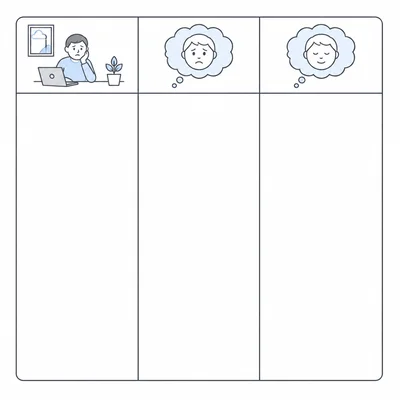
A therapist and client create a chart with three columns: Situation, Automatic Thought, and Alternative Thought. What CBT skill is the client practicing, and why might it help?
- 11
Why are confidentiality and informed consent important in therapy?
- 12
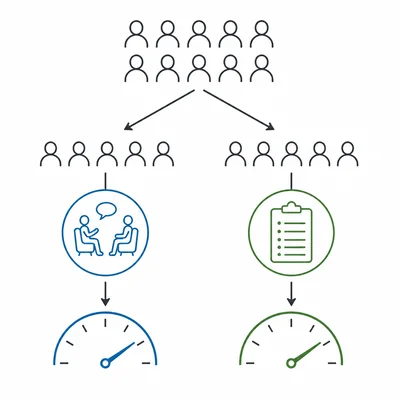
A researcher wants to know whether a new treatment reduces anxiety symptoms. Describe one way the researcher could design a fair study.
- 13
Some people use both therapy and medication as part of a treatment plan. Explain why a combined approach may be helpful for certain conditions or individuals.
- 14
Explain why culture, family beliefs, language, and access to care can affect mental health treatment.
- 15
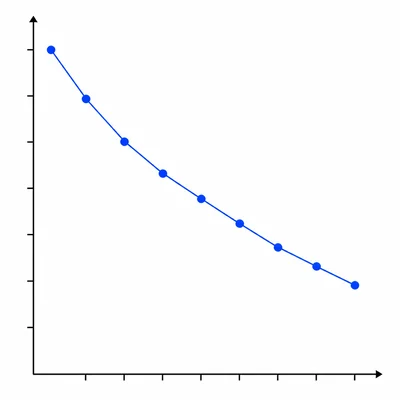
Look at a treatment progress graph where symptom scores decrease from 18 to 8 over eight weeks. What does the trend suggest, and what is one caution about interpreting the graph?