Practice identifying key features of ancient Chinese dynasties and explaining how the Silk Road connected China with other regions.
Read each problem carefully. Use complete sentences when explaining your thinking. Show evidence from what you know about ancient China when possible.
Explore major dynasties, inventions, trade, and cultural exchange
Social Studies - Grade 6-8
- 1
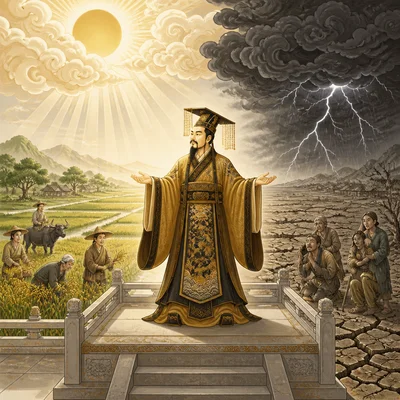
The Mandate of Heaven was an important belief in ancient China. Explain what it meant and how it could justify the rise or fall of a dynasty.
- 2
Place these dynasties in chronological order from earliest to latest: Han, Shang, Qin, Zhou.
- 3
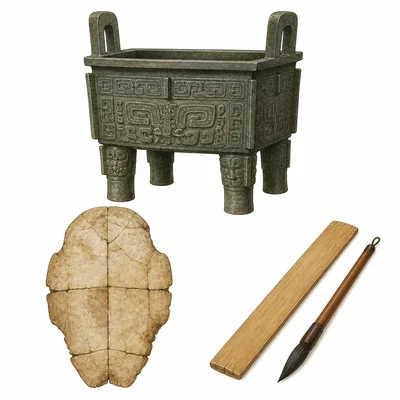
The Shang dynasty is known for bronze work, oracle bones, and early Chinese writing. Choose one of these achievements and explain why it was important.
- 4
The Zhou dynasty lasted for many centuries but eventually weakened. Describe one reason large states or kingdoms might become difficult to control over time.
- 5
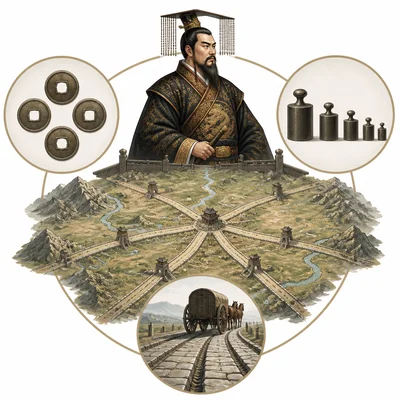
The Qin dynasty unified China under one emperor. Identify two ways the Qin helped unify China, and explain how one of them made governing easier.
- 6
Shi Huangdi was the first emperor of the Qin dynasty. Explain one positive effect and one negative effect of his rule.
- 7
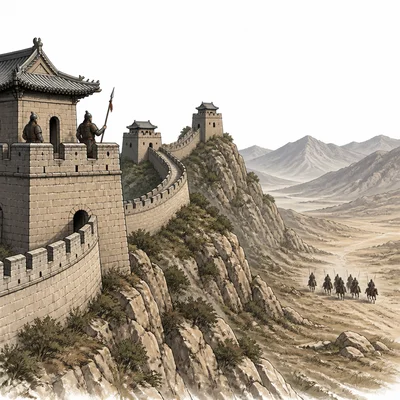
The Great Wall was expanded and connected during the Qin period and later rebuilt by other dynasties. What problem was it meant to address, and why was it not a complete solution?
- 8
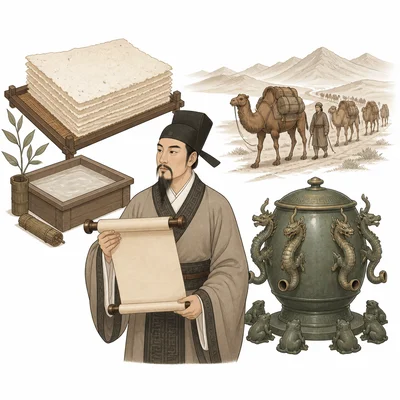
The Han dynasty is often described as a golden age in Chinese history. Give two examples of Han achievements or developments that support this idea.
- 9
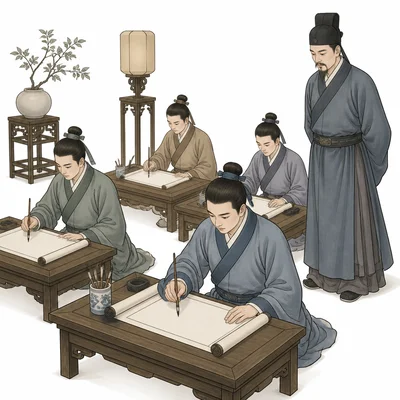
Confucianism influenced government in ancient China. Explain how Confucian ideas supported the civil service system.
- 10
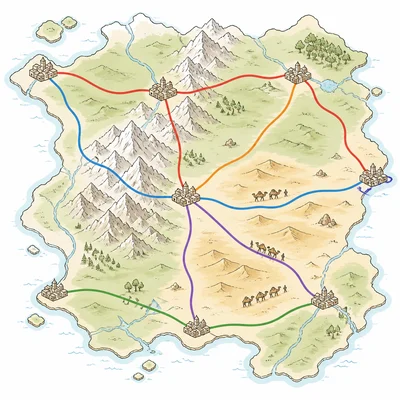
The Silk Road was not one single road. Explain what this statement means.
- 11
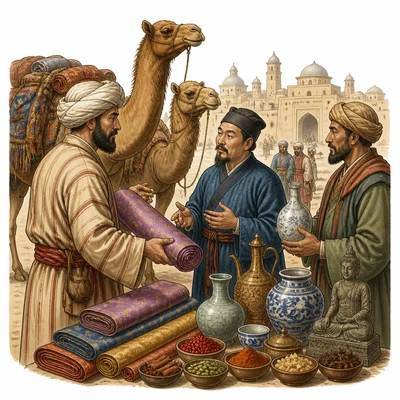
Name three goods or ideas that traveled along the Silk Road, and explain why trade was valuable to people in different regions.
- 12
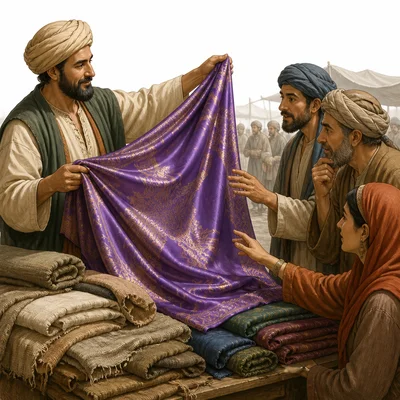
Silk was one of China's most famous trade goods. Why might silk have been especially valuable in distant markets?
- 13
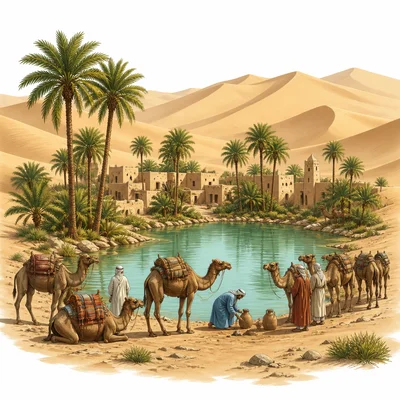
Look at a Silk Road map. Why were oasis towns important for traders crossing deserts?
- 14
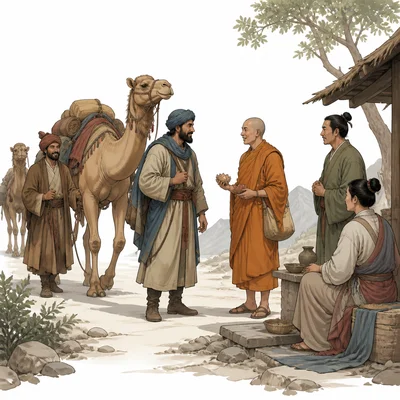
Buddhism spread into China along trade routes during and after the Han period. Explain how trade can help spread religions or ideas.
- 15
Compare the Qin and Han dynasties in a short paragraph. Include one similarity and one difference.