Practice AP US History skills by explaining how Cold War fears shaped domestic policy, political culture, civil liberties, civil rights, labor, education, and federal power in the United States.
Read each problem carefully. Use specific historical evidence when asked. Write in complete sentences and show your reasoning in the space provided.
Analyzing anticommunism, rights, conformity, and federal power after World War II
Social Studies - Grade 9-12
- 1
Explain one reason President Truman created the Federal Employee Loyalty Program in 1947 and one effect it had on domestic politics.
- 2
Describe the role of the House Un-American Activities Committee, or HUAC, in shaping domestic politics during the early Cold War.
- 3
The Hollywood Ten refused to answer HUAC questions about their political beliefs and associations. Explain why their case is important for understanding Cold War domestic politics.
- 4
Identify one similarity and one difference between Truman's and Eisenhower's approaches to anticommunism at home.
- 5
Explain how Senator Joseph McCarthy gained political influence in the early 1950s.
- 6
Analyze one reason McCarthyism declined after the Army-McCarthy hearings of 1954.
- 7
Explain how the Taft-Hartley Act of 1947 reflected both postwar labor conflict and Cold War politics.
- 8
A student argues, 'The Second Red Scare only affected government workers.' Evaluate this claim using one specific example.
- 9
Explain how the Cold War helped shape federal support for science and education after the launch of Sputnik in 1957.
- 10
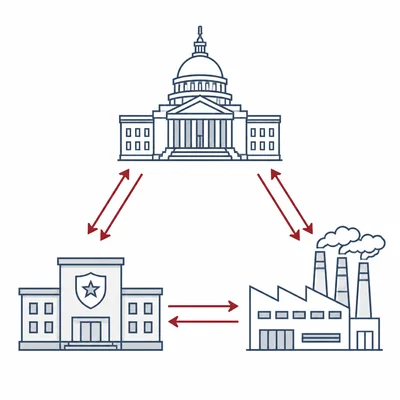
Explain the meaning of President Eisenhower's warning about the 'military-industrial complex' in his 1961 farewell address.
- 11
How did Cold War concerns influence the federal government's response to civil rights issues in the 1940s and 1950s?
- 12
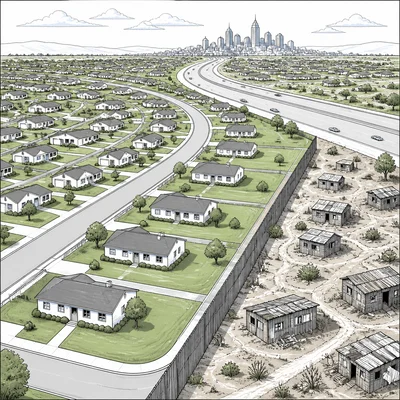
Explain how suburban growth in the 1950s reflected Cold War era domestic values and inequalities.
- 13
Put the following events in chronological order and explain the significance of one of them: Truman Doctrine, Federal Employee Loyalty Program, Army-McCarthy hearings, Sputnik launch.
- 14
Write a one-sentence thesis for this prompt: Evaluate the extent to which the Cold War changed domestic politics in the United States from 1945 to 1960.
- 15
Choose two pieces of evidence from this worksheet and explain how they could support an APUSH argument about civil liberties during the Cold War.