Practice analyzing federalism, the division of powers, and debates over states rights in the United States.
Read each problem carefully. Answer in complete sentences and support your ideas with specific examples when needed.
How power is shared between national and state governments
Social Studies - Grade 9-12
- 1

Define federalism in the United States. Explain how it divides power between the national government and state governments.
- 2
What are delegated powers. Give two examples of powers delegated to the national government.
- 3
What are reserved powers. Give two examples of powers reserved to the states.
- 4

Explain the difference between concurrent powers and exclusive powers. Include one example of each.
- 5

How does the Supremacy Clause affect conflicts between state law and federal law?
- 6
Describe the significance of the Tenth Amendment in debates about states rights.
- 7

A state passes a law allowing something that a federal law clearly forbids. Based on federalism, which law will likely control and why?
- 8

Explain how McCulloch v. Maryland strengthened federal power.
- 9
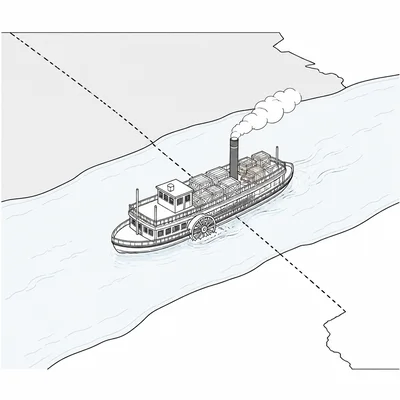
Explain how Gibbons v. Ogden increased the power of the national government over interstate commerce.
- 10
Why did some political leaders in the 1800s support stronger states rights? Give one historical reason.
- 11
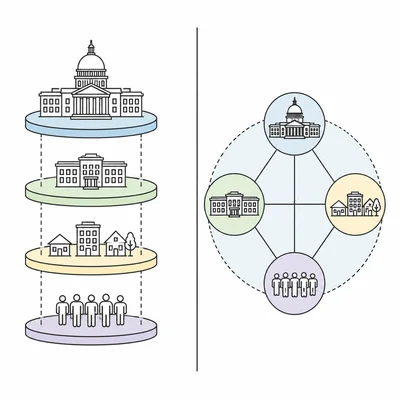
Compare cooperative federalism and dual federalism. Write one sentence about each model.
- 12
A student says, "States rights means states can ignore the Constitution whenever they want." Is this statement correct? Explain your answer.