Practice identifying major causes, key turning points, and important consequences of the American Civil War.
Read each problem carefully. Use complete sentences and include evidence or examples when asked.
Examining why the war began and how it changed the United States
Social Studies - Grade 6-8
- 1
Explain how slavery was a major cause of the Civil War.
- 2
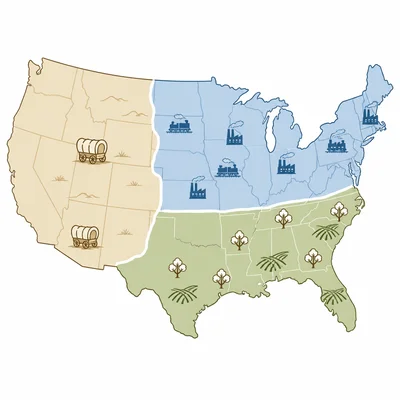
Describe what is meant by sectionalism in the years before the Civil War.
- 3
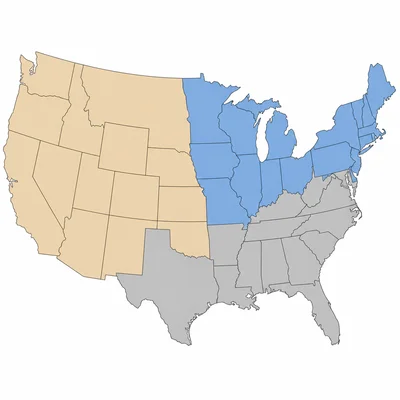
Look at a map showing free states, slave states, and territories before the Civil War. What pattern would you expect to see, and why did this pattern create conflict?
- 4
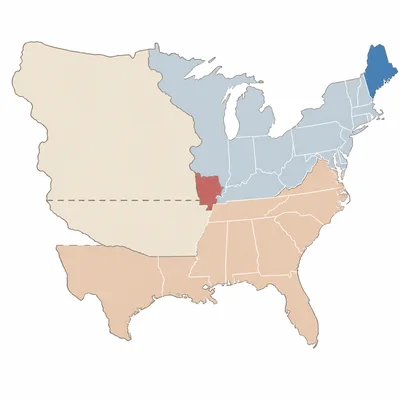
What was the Missouri Compromise of 1820, and how did it try to reduce conflict over slavery?
- 5
Explain why the Compromise of 1850 did not permanently solve the slavery debate.
- 6
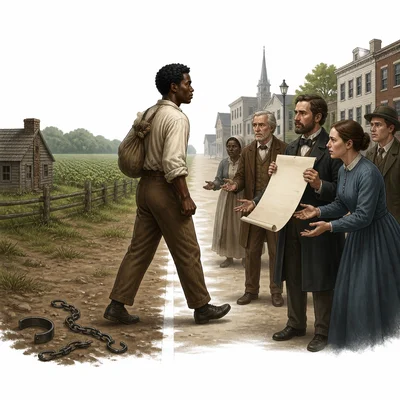
What was the Fugitive Slave Act, and why did many Northerners oppose it?
- 7
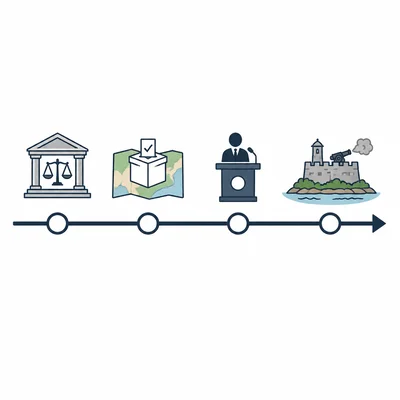
Use a simple timeline to place these events in order: Dred Scott decision, Kansas-Nebraska Act, election of Abraham Lincoln, firing on Fort Sumter.
- 8
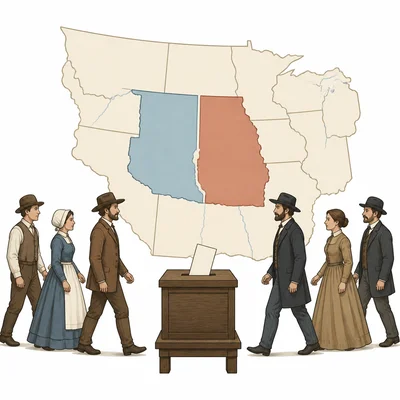
How did the Kansas-Nebraska Act increase tensions between North and South?
- 9
Explain why Abraham Lincoln's election in 1860 led several Southern states to secede.
- 10
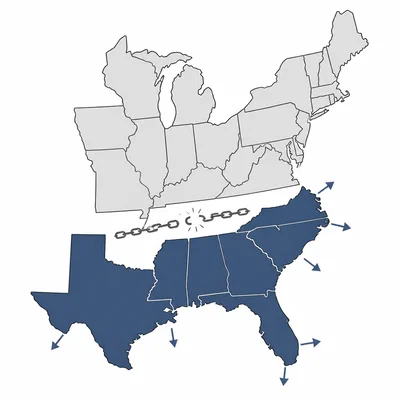
What was secession, and how did it lead to the formation of the Confederacy?
- 11
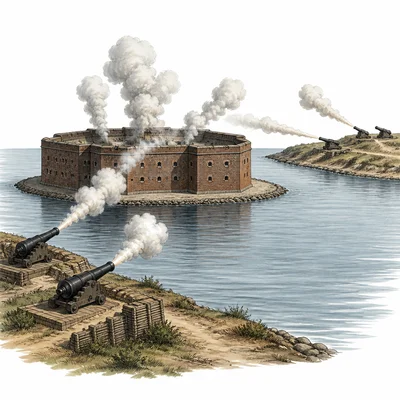
Identify the event that began the Civil War and explain why it was important.
- 12
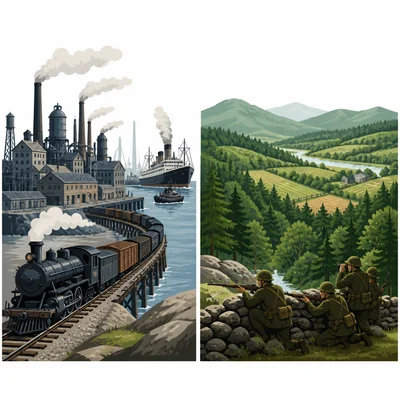
Compare one major advantage of the Union and one major advantage of the Confederacy at the start of the war.
- 13
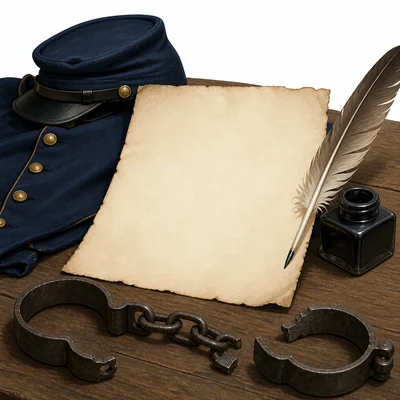
What was the Emancipation Proclamation, and how did it change the purpose of the war?
- 14
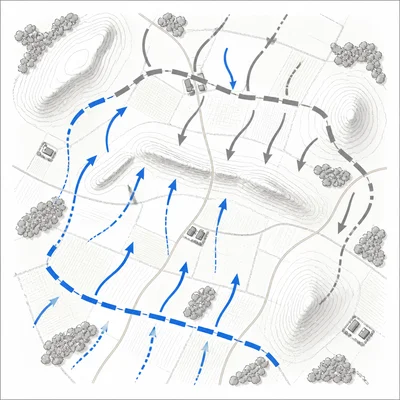
Explain why the Battle of Gettysburg is often considered a turning point of the Civil War.
- 15
Describe two major consequences of the Civil War for the United States.