Practice identifying the structure of the federal court system and explaining how due process protects individual rights in legal proceedings.
Read each problem carefully. Answer in complete sentences and support your ideas with accurate social studies vocabulary.
Understanding federal courts, constitutional protections, and fair legal procedures
Social Studies - Grade 9-12
- 1
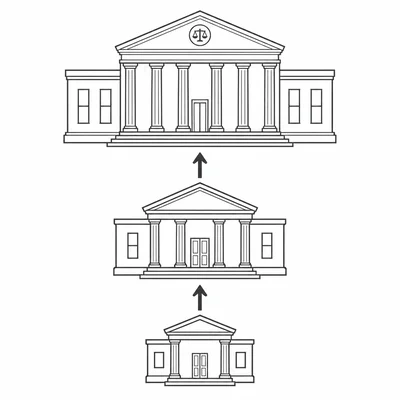
Name the three main levels of the federal court system in order from lowest to highest.
- 2
Explain the main role of U.S. District Courts in the federal judicial system.
- 3
What is the main function of the U.S. Courts of Appeals?
- 4
Describe one major responsibility of the U.S. Supreme Court.
- 5
Define due process in the context of the U.S. legal system.
- 6
Which two amendments to the U.S. Constitution specifically mention due process, and how do they differ?
- 7

A person is arrested but is never told the charges against them and is not allowed to speak with a lawyer. Explain how this situation may violate due process.
- 8
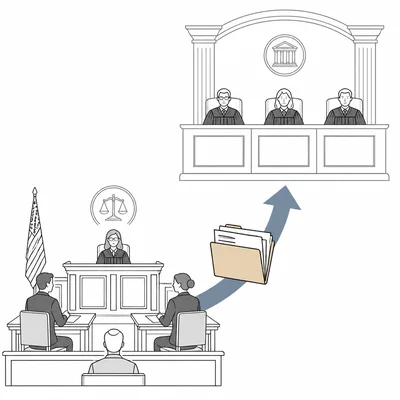
What is an appeal, and why is it an important part of the federal court system?
- 9
Explain the difference between procedural due process and substantive due process.
- 10
Why do federal courts rely on precedent when deciding cases?
- 11
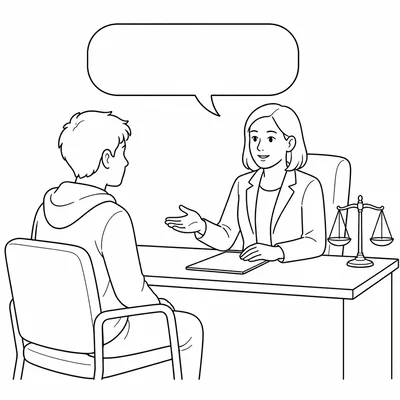
A student claims a public school punished them without giving them a chance to explain what happened. How could due process apply in this situation?
- 12
Write a short paragraph explaining how the structure of the federal court system and the principle of due process work together to protect individual rights.