Learn how different world climates affect homes, clothing, food, jobs, transportation, and community life.
Read each problem carefully. Use complete sentences when explaining your thinking. Show your work in the space provided.
Exploring climate zones, daily life, and human adaptation
Social Studies - Grade 4-5
- 1
A climate is the usual weather pattern of a place over a long period of time. Write one way climate is different from daily weather.
- 2
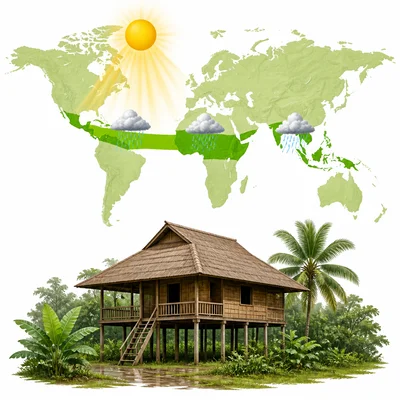
Look at a world climate map. Tropical climates are often found near the equator. Explain why people living in a tropical climate might build houses with wide roofs or raised floors.
- 3
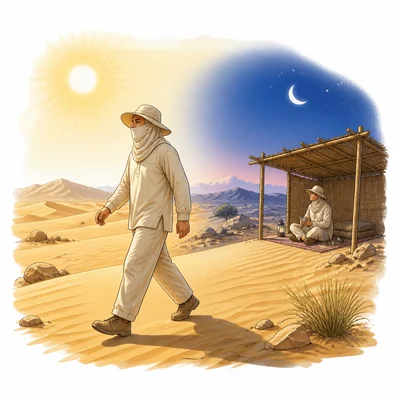
Desert climates are very dry and often have hot days and cool nights. Name two ways people might adapt their clothing or daily schedule in a desert climate.
- 4
A family moves from a cold polar climate to a warm tropical climate. Describe two changes they might make in their everyday life.
- 5
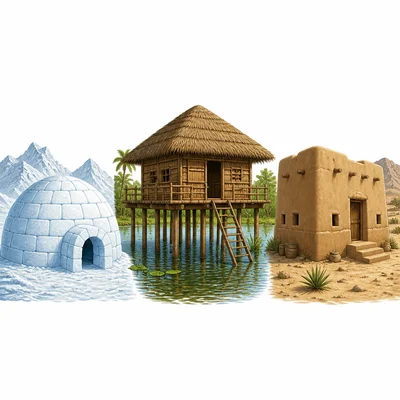
Study the picture of three homes: an igloo, a stilt house, and a thick-walled desert house. Match each home to the climate where it would be most useful: polar, tropical wet, or desert.
- 6
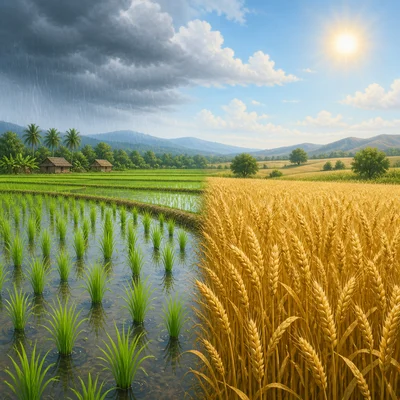
Farmers in different climates grow different crops. Explain why rice is commonly grown in warm, wet places, while wheat is often grown in temperate grassland areas.
- 7
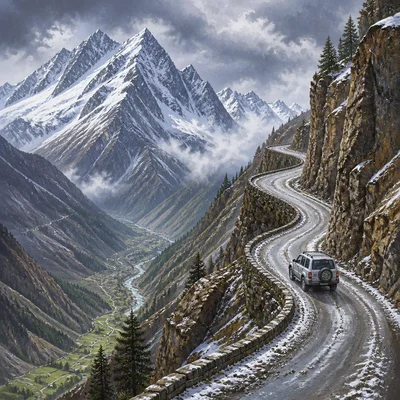
In a mountainous region, roads may be steep and winding. Explain one way the land and climate can affect transportation.
- 8
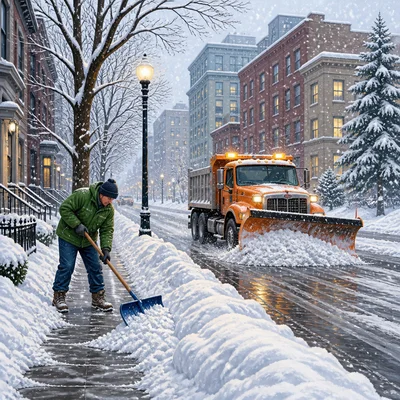
A city has long, cold winters with heavy snowfall. List two services or systems the community might need to help people adapt.
- 9
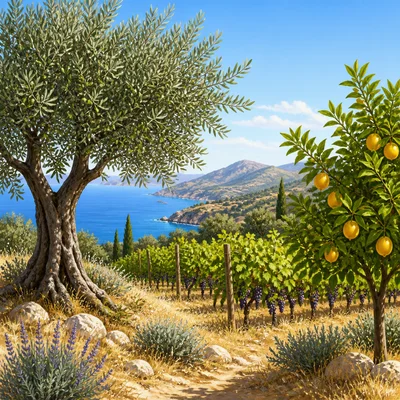
The Mediterranean climate has warm, dry summers and mild, rainy winters. Why might people in this climate grow olives, grapes, or citrus fruits?
- 10
Read the climate data: City A has hot temperatures all year and rain almost every month. City B has cold winters, warm summers, and rainfall spread through the year. Which city is more likely to have a tropical climate, and how do you know?
- 11
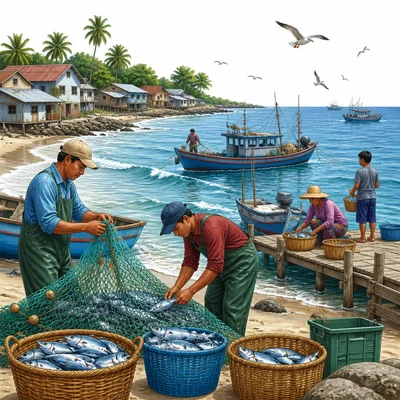
People in coastal areas often depend on the ocean. Describe two ways a coastal climate and location can shape jobs or food.
- 12
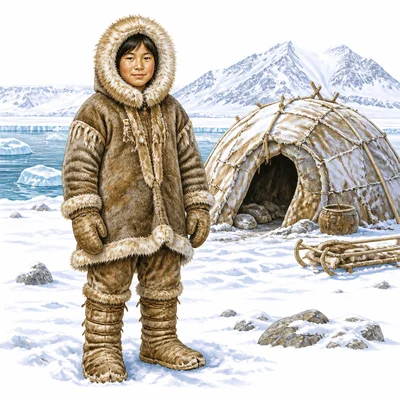
In the Arctic, some communities have traditionally used animal skins for warm clothing. Explain how this is an example of adapting to climate and using local resources.
- 13
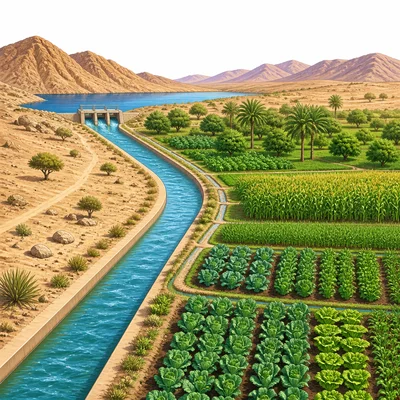
Look at the scene of a dry region with a water canal bringing water to fields. Explain how irrigation helps people live and farm in dry climates.
- 14
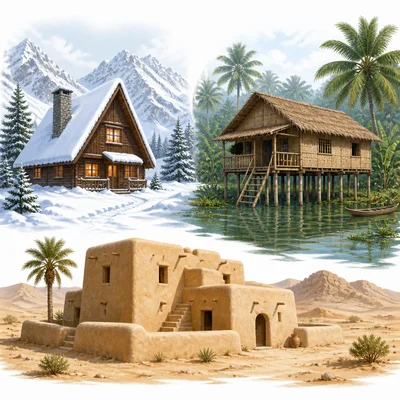
A student says, "People everywhere should build the same kinds of houses because houses are for shelter." Explain why this idea is not correct.
- 15
Choose one climate zone, such as desert, tropical, polar, temperate, or mountain. Write a short paragraph explaining how people adapt their homes, clothing, food, or transportation to that climate.