Constitutional Convention Compromises Lab
In the summer of 1787, delegates in Philadelphia argued over how to build a new government. For each debate you will see the two competing positions, choose the compromise that was actually reached, and read the history behind it. Record each issue and its resolution to see how the Constitution was negotiated piece by piece.
Convention Debates
The framers of the Constitution disagreed on many questions in 1787. Pick a debate, weigh the two sides, then choose the compromise you think was reached and reveal the history.
Progress
0% explored
Controls
Current debate Representation in Congress
Read both positions, choose the compromise that was reached, then reveal the historical explanation.
Debate 1 of 8
Representation in Congress
How many votes should each state get in the new national legislature?
Virginia Plan (large states)
Representation should be based on population, so larger states would have more votes in Congress.
New Jersey Plan (small states)
Every state should get an equal number of votes regardless of population, as under the Articles of Confederation.
Which compromise was actually reached?
Pick an option first, then reveal what the delegates decided.
Data Table
(0 rows)| # | Issue | Competing Sides | My Choice | Historical Compromise | Result |
|---|
Reference Guide
The Great Compromise
The largest fight at the Convention was over representation in Congress. The Virginia Plan favored the big states, the New Jersey Plan favored the small ones.
- Virginia Plan. Seats based on population, favoring larger states.
- New Jersey Plan. Equal votes per state, favoring smaller states.
- The compromise. A bicameral Congress with a House by population and a Senate of two per state.
- Result. Both interests were balanced, and this structure remains today.
Roger Sherman of Connecticut helped broker this deal, which is also called the Connecticut Compromise.
The Compromises Over Slavery
Two of the Convention's compromises dealt directly with slavery. They are presented here as historical facts, not as choices that were morally right.
- Three-Fifths Compromise. Three of every five enslaved people were counted toward representation and taxes, increasing slaveholding states' power.
- Slave trade clause. Congress could not ban the importation of enslaved people until 1808.
- Later changed. The 13th Amendment abolished slavery in 1865 and the 14th Amendment repealed the three-fifths clause in 1868.
These provisions were grave moral compromises that the country only corrected after the Civil War.
Choosing the President
Delegates split over who should select the president. Some wanted Congress to choose, while others wanted a direct vote of the people.
- By Congress. Feared to make the executive depend on the legislature.
- By the people. Worried voters lacked information about distant candidates.
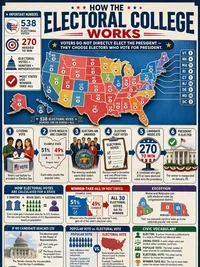
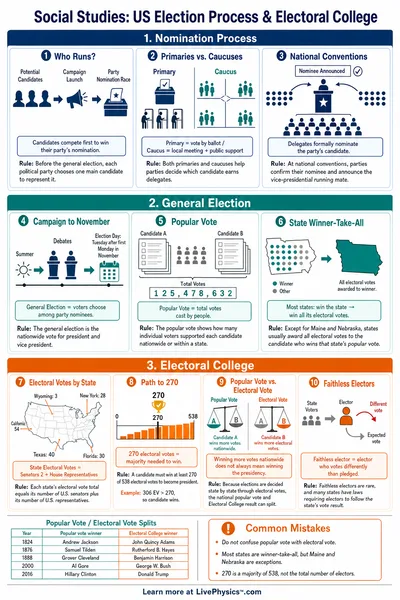
- Electoral College. Each state appoints electors equal to its seats in Congress to elect the president.
- Still in use. The Electoral College chooses the president today.
Because Senate seats are equal and the three-fifths clause affected House seats, the system shaped power among the states.
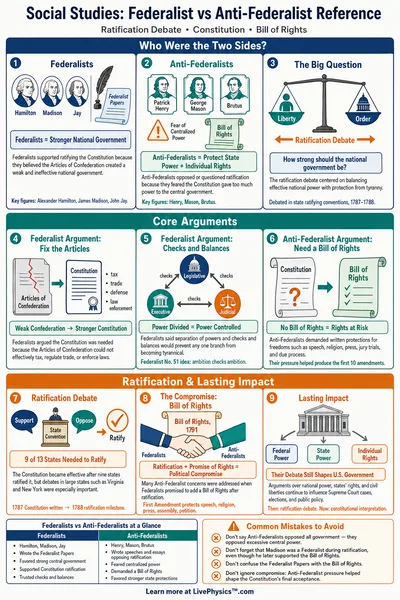
Federalism and the Bill of Rights
The framers also had to divide power between the nation and the states, and decide whether to list protected rights.
- Federalists. Wanted a strong national government with the power to tax and regulate trade.
- Anti-Federalists. Wanted power kept close to the states and the people.
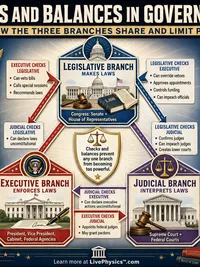
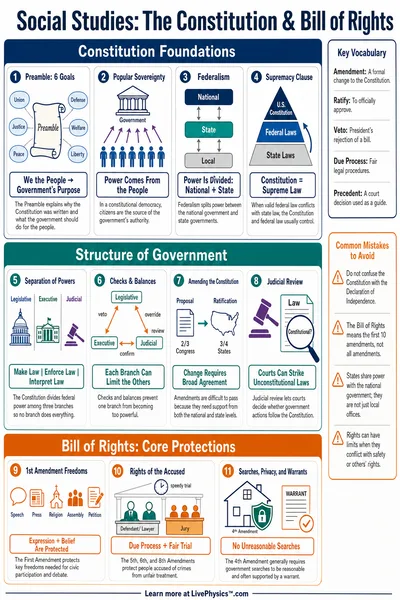
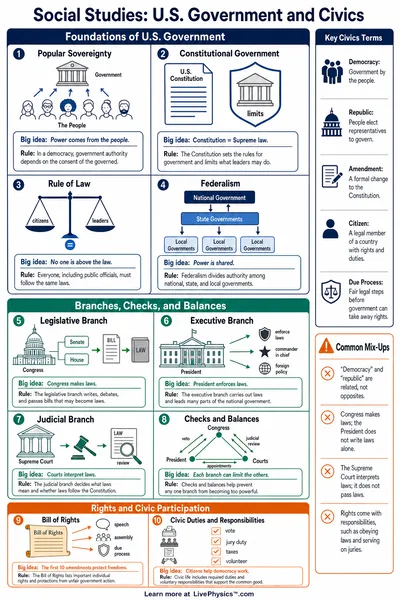
- Federalism. Powers were divided, with some national, some reserved to states, and some shared.
- Bill of Rights. The first ten amendments were promised and ratified in 1791.
The 10th Amendment reserved to the states or the people any powers not given to the national government.