Practice explaining the Moon's phases, the pattern of the lunar cycle, and how the Moon's gravity helps create ocean tides.
Read each problem carefully. Write complete sentences when explaining your thinking.
Understanding moon phases and how the Moon affects ocean tides
Astronomy - Grade 4-5
- 1
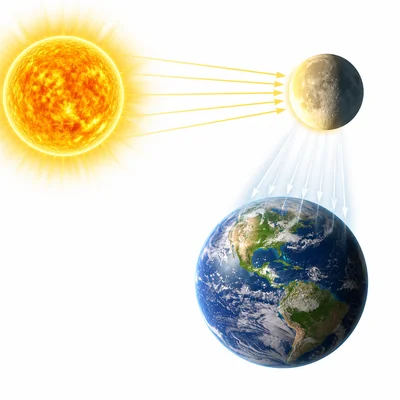
The Moon looks bright in the night sky. Explain where the Moon's light comes from.
- 2
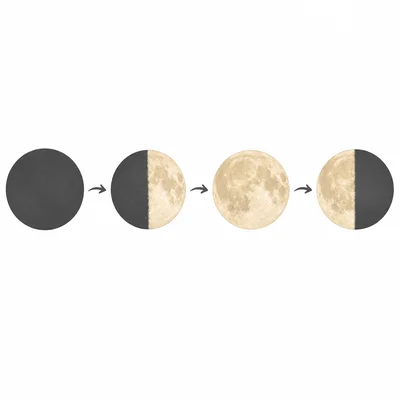
Put these Moon phases in order, starting with the new moon: full moon, first quarter, new moon, third quarter.
- 3
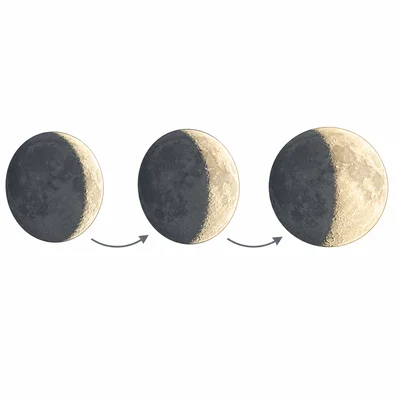
A student sees a crescent Moon that gets a little larger each night. Name the type of phase change and explain what is happening.
- 4
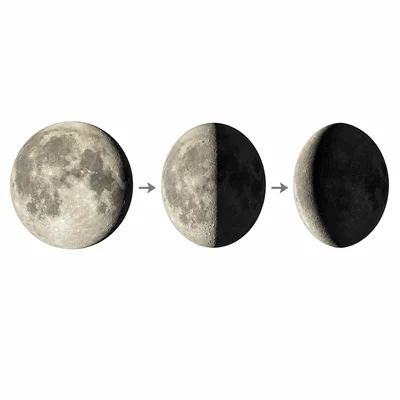
A student sees the lit part of the Moon getting smaller each night after a full moon. Name the type of phase change and explain what is happening.
- 5
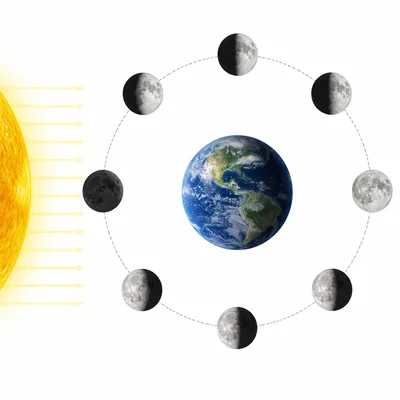
Explain why the Moon appears to have different shapes during the month.
- 6
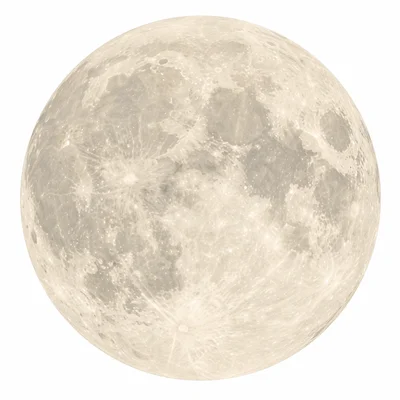
The whole face of the Moon that we see from Earth looks bright. Name this phase and describe the Moon's appearance.
- 7
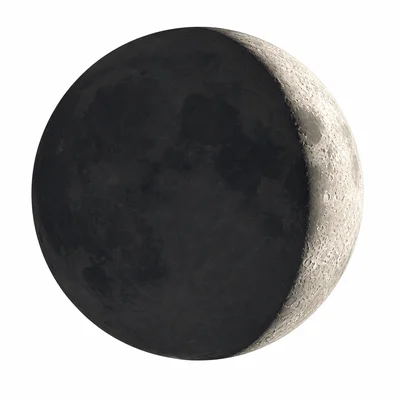
Only a thin curved part of the Moon looks bright. Name the general type of phase and describe its appearance.
- 8
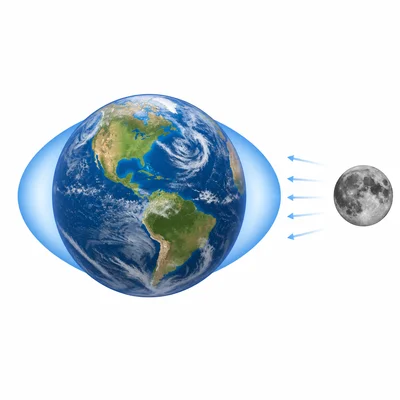
Explain what causes tides in Earth's oceans.
- 9
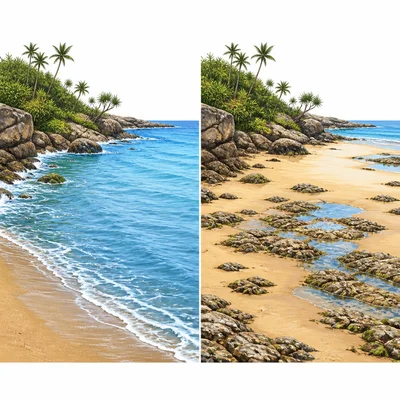
Describe the difference between high tide and low tide.
- 10
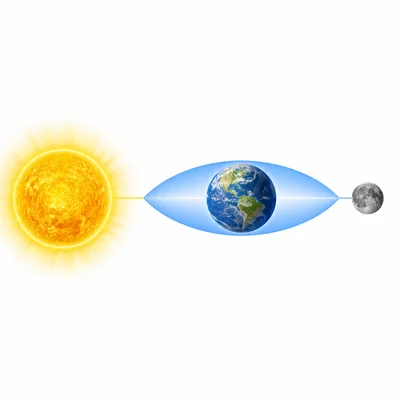
Spring tides happen near the new moon and full moon. Explain what makes spring tides different from regular tides.
- 11
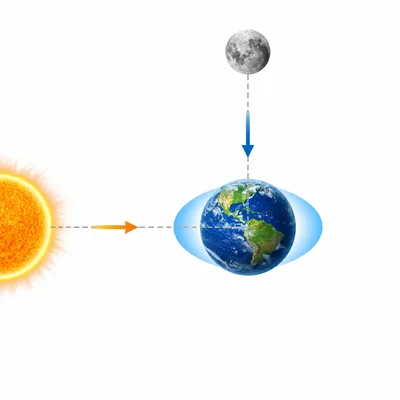
Neap tides happen near the first quarter and third quarter Moon phases. Explain what makes neap tides different from spring tides.
- 12
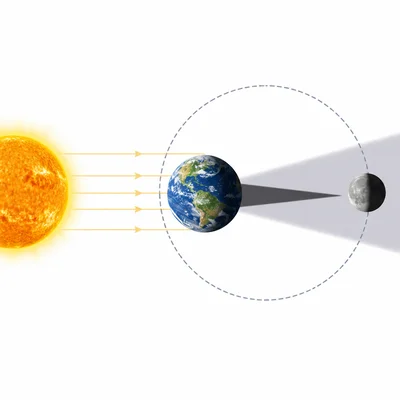
A classmate says Moon phases are caused by Earth's shadow covering the Moon every month. Correct this idea in a complete sentence.