Practice identifying acids, bases, and neutral substances, using the pH scale, and explaining indicator results.
Read each problem carefully. Use complete sentences when explaining your reasoning. Show calculations when needed.
Classifying substances and interpreting pH values
Chemistry - Grade 6-8
- 1
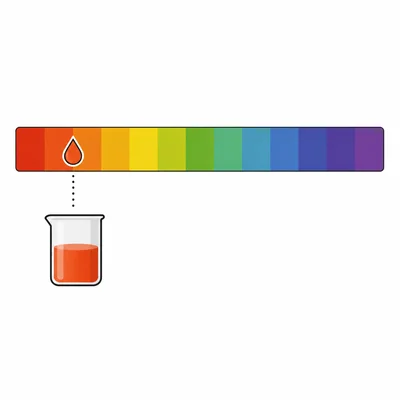
A sample has a pH of 3. Is it acidic, basic, or neutral? Explain how you know.
- 2
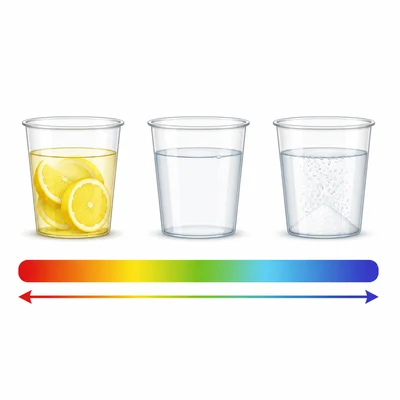
A student tests three liquids. Lemon juice has pH 2, pure water has pH 7, and baking soda solution has pH 9. List the liquids from most acidic to most basic.
- 3
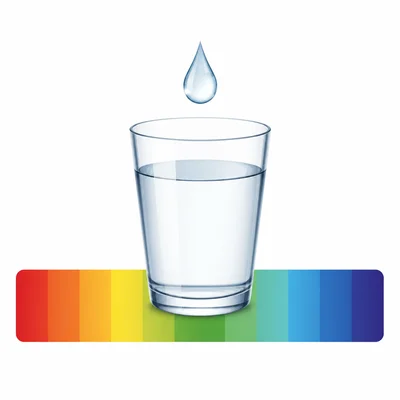
What pH value is considered neutral? Name one common substance that is close to neutral.
- 4
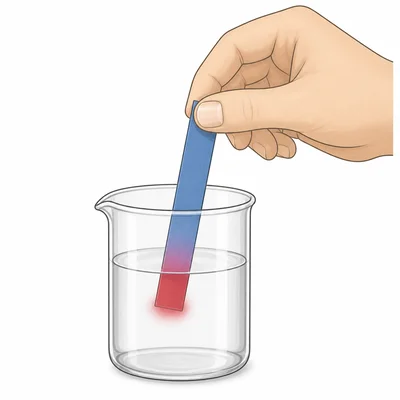
Blue litmus paper turns red when dipped into an unknown liquid. What type of substance is the liquid most likely to be?
- 5
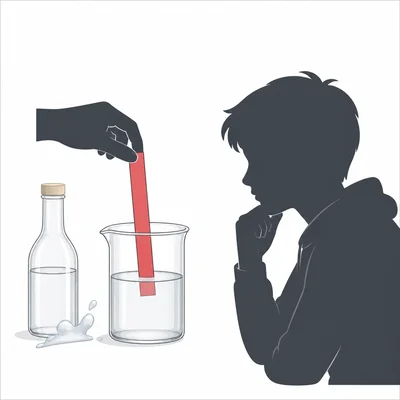
Red litmus paper stays red when dipped into vinegar. Does this result prove that vinegar is neutral? Explain.
- 6
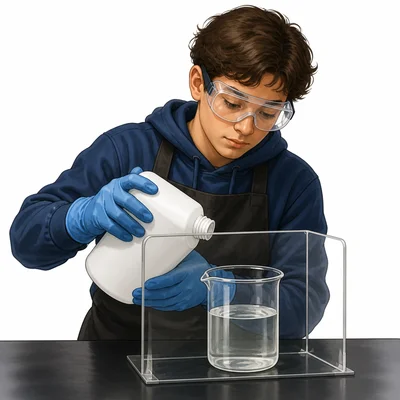
A cleaning solution has a pH of 12. Describe one safety precaution you should use when handling it and explain why.
- 7
A student says, "All acids are dangerous." Explain why this statement is too simple.
- 8

Two solutions have pH values of 4 and 6. Which solution is more acidic, and how many times more acidic is it based on the pH scale?
- 9
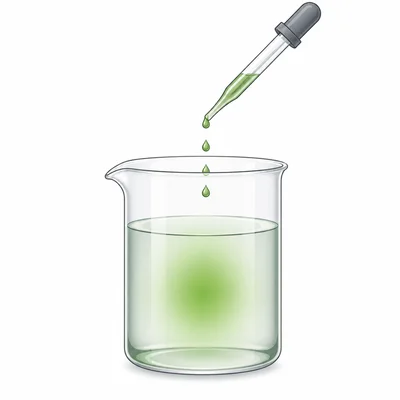
A pH indicator turns green in a liquid. The indicator chart says green means pH 7. What can you conclude about the liquid?
- 10
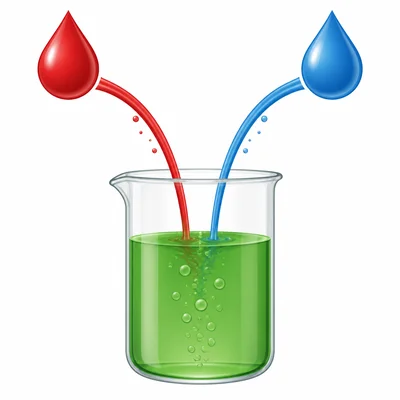
An acid and a base are mixed carefully in the correct amounts, and the final solution has a pH of 7. What type of reaction happened?
- 11
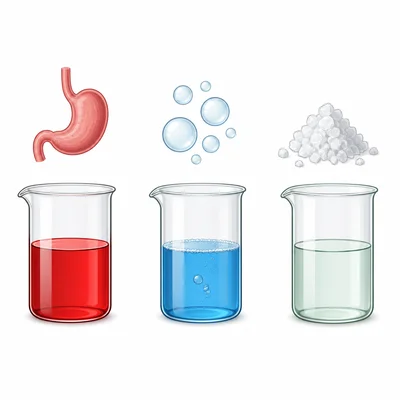
Classify each substance as acid, base, or neutral: stomach acid pH 1, soap solution pH 10, and salt water pH 7.
- 12
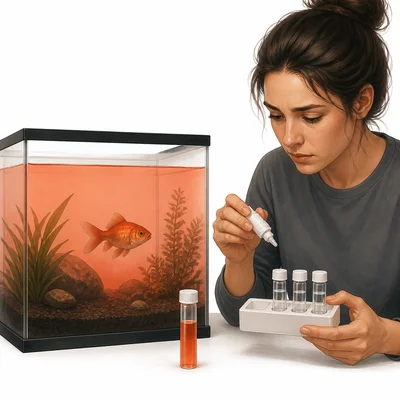
A fish tank should stay near pH 7. A test shows the water is pH 5. Is the water too acidic or too basic, and what should the owner do before adding any chemical treatment?
- 13
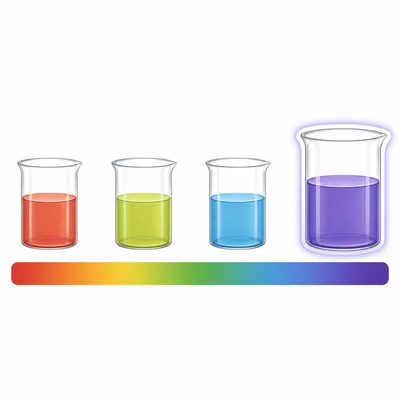
The table shows four unknown liquids: A has pH 8, B has pH 2, C has pH 7, and D has pH 13. Which liquid is the strongest base?
- 14
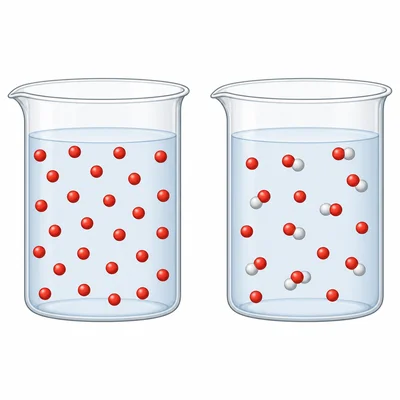
Explain the difference between a strong acid and a weak acid in middle school terms.
- 15
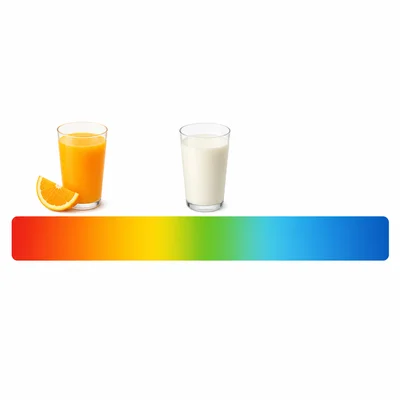
A student measures orange juice at pH 3 and milk at pH 6. Which is closer to neutral, and how do you know?