Practice using chemistry ideas to explain emulsions, pH, and browning reactions in everyday foods.
Read each problem carefully. Show your thinking in the space provided.
Explore how mixtures, acids, bases, and reactions affect food
Chemistry - Grade 6-8
- 1
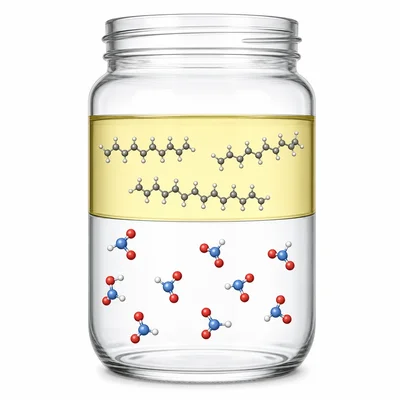
Oil and vinegar separate into two layers after sitting on the counter. Explain why this happens using the words polar or nonpolar.
- 2
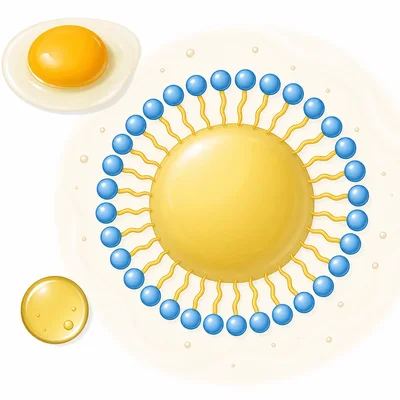
Mayonnaise is made from oil, egg yolk, and vinegar or lemon juice. What role does the egg yolk play in keeping mayonnaise mixed?
- 3
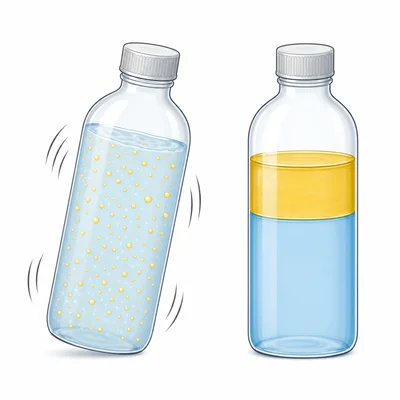
A student shakes oil and water in a bottle. The mixture looks cloudy for a short time, then separates. Is this a stable emulsion or an unstable emulsion? Explain.
- 4
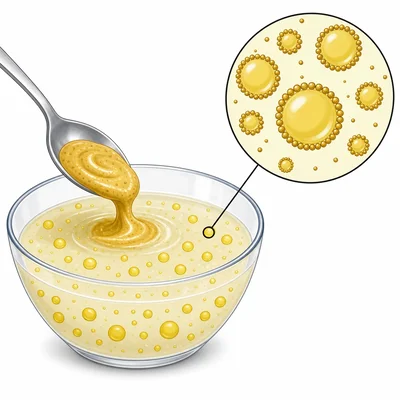
Mustard is often added to vinaigrette dressing. Explain how mustard can help make the dressing stay mixed longer.
- 5
A food has a pH of 3. Is it acidic, basic, or neutral? Give one example of a food that might have a similar pH.
- 6
Complete the comparison: A food with pH 9 is more basic than a food with pH 7 because pH 7 is neutral. Explain what this means.
- 7
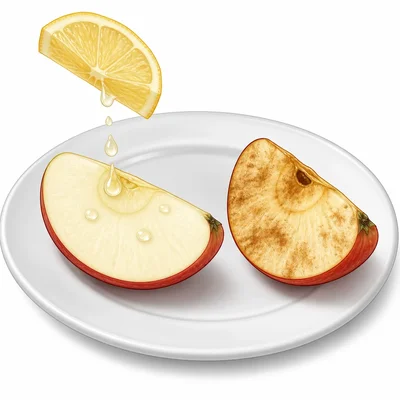
Lemon juice is added to sliced apples to slow browning. Explain how the lemon juice helps.
- 8
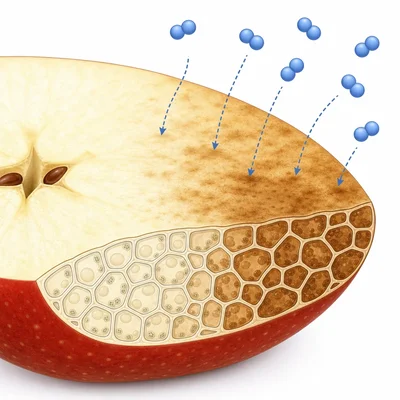
An apple slice turns brown after being left in air. Name one reactant involved in this browning process and explain its role.
- 9
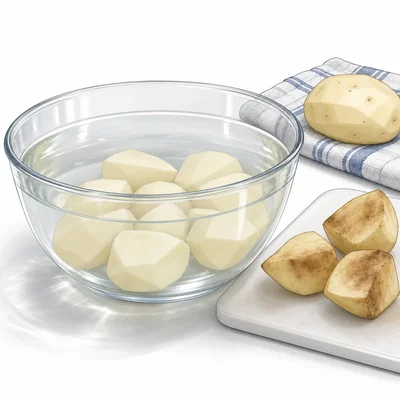
A cook places cut potatoes in water before frying them. How can this reduce browning before cooking?
- 10
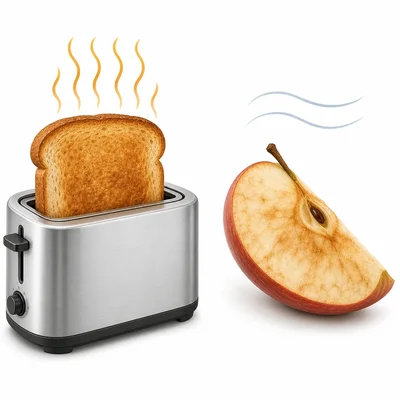
Toast becomes brown when bread is heated. Is this the same type of browning as a cut apple turning brown? Explain.
- 11
The Maillard reaction happens when sugars and proteins react during heating. Name one food where the Maillard reaction improves flavor or color.
- 12
A recipe says to add baking soda to a batter. Baking soda is basic. How might this change browning during baking?
- 13
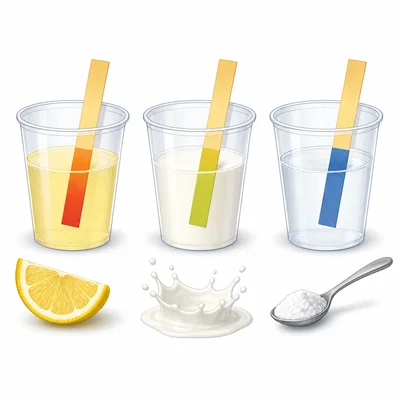
A student tests three liquids with pH paper: lemon juice has pH 2, milk has pH 6, and baking soda solution has pH 8. Rank them from most acidic to most basic.
- 14
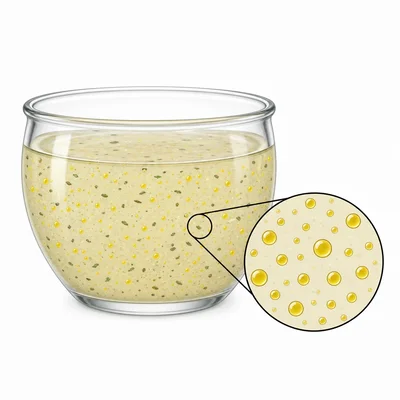
A salad dressing contains tiny oil droplets spread throughout vinegar. What type of mixture is this, and why does it look cloudy?
- 15
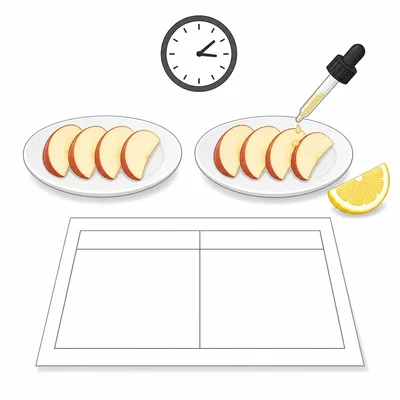
Design a simple experiment to test whether lemon juice slows browning in apples. Include a control, a treatment, and what you would measure.