Practice identifying intermolecular forces and explaining how they affect physical properties of substances.
Read each problem carefully. Show your reasoning in the space provided. Use ideas such as London dispersion forces, dipole-dipole forces, hydrogen bonding, polarity, molar mass, and molecular shape.
Connecting particle attractions to boiling point, solubility, vapor pressure, and more
Chemistry - Grade 9-12
- 1
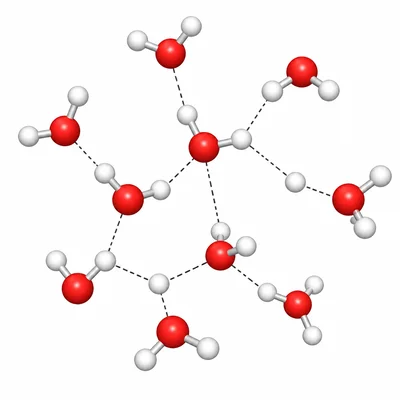
Identify the strongest intermolecular force present in a sample of liquid water, H2O, and explain why it occurs.
- 2
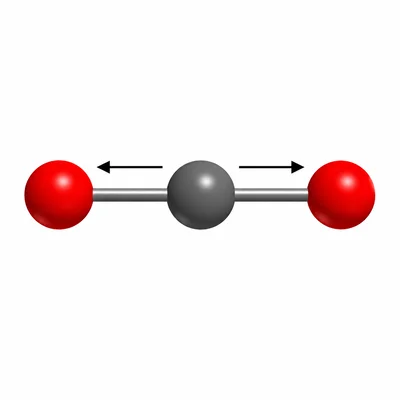
Identify the strongest intermolecular force present between molecules of carbon dioxide, CO2. Explain why CO2 does not have dipole-dipole attractions even though each C=O bond is polar.
- 3
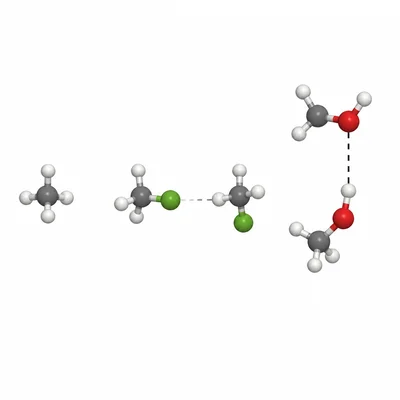
Rank the following substances from lowest boiling point to highest boiling point: CH4, CH3Cl, CH3OH. Explain your ranking using intermolecular forces.
- 4
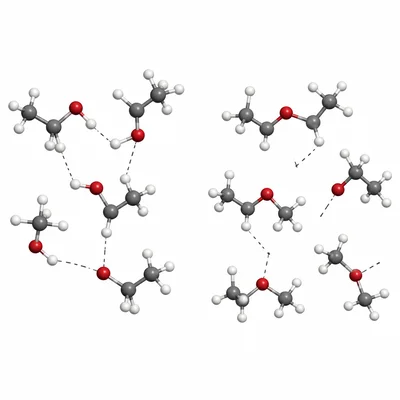
Explain why ethanol, C2H5OH, has a higher boiling point than dimethyl ether, CH3OCH3, even though they have the same molecular formula, C2H6O.
- 5
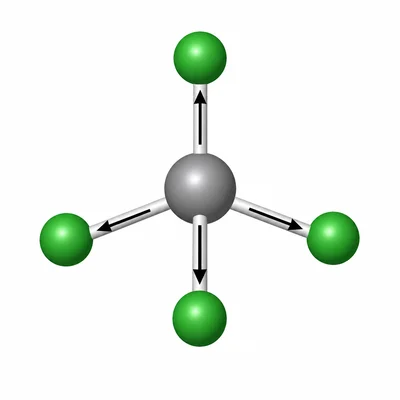
A student says, "All molecules with polar bonds are polar molecules." Explain why this statement is not always correct, using CCl4 as an example.
- 6
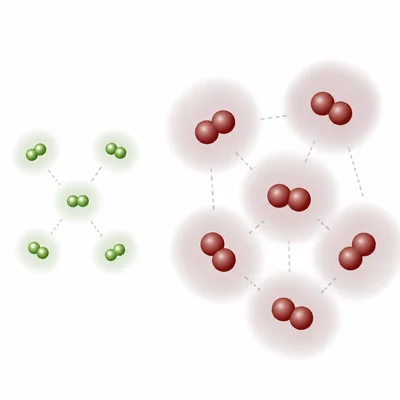
Compare the boiling points of F2 and Br2. Both are nonpolar diatomic molecules. Which one has the higher boiling point, and why?
- 7
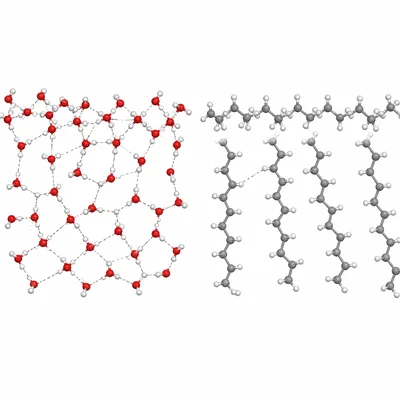
Explain why water has a much higher surface tension than hexane, C6H14.
- 8
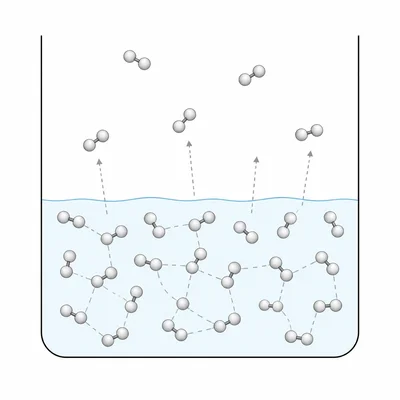
A liquid has a high vapor pressure at room temperature. What does this tell you about the strength of its intermolecular forces? Explain.
- 9
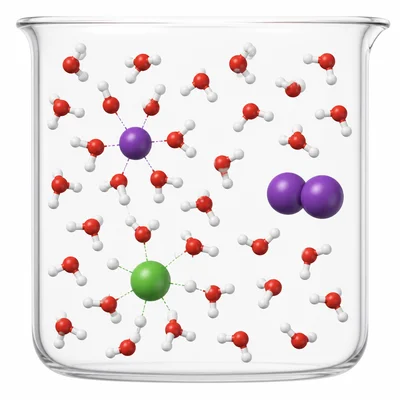
Predict which substance is more soluble in water: sodium chloride, NaCl, or iodine, I2. Explain your answer using particle attractions.
- 10
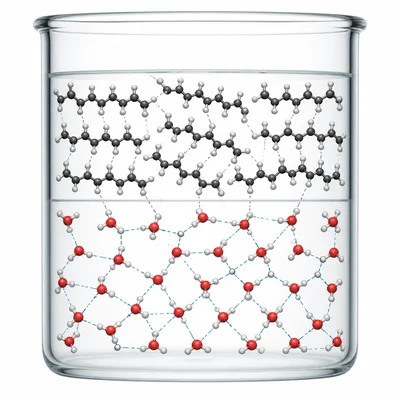
Oil and water separate into two layers when mixed. Explain this observation using polarity and intermolecular forces.
- 11
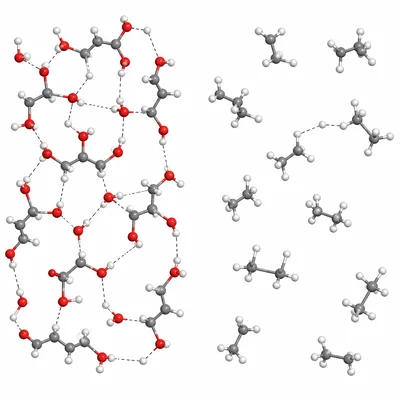
Which liquid would you expect to be more viscous at room temperature: glycerol, C3H8O3, or propane, C3H8? Explain your reasoning.
- 12
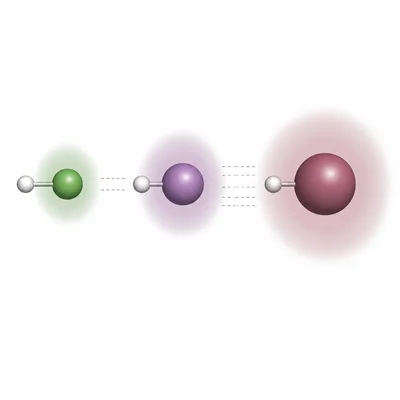
Rank HCl, HBr, and HI from lowest boiling point to highest boiling point. All three are polar molecules, but hydrogen bonding is not present. Explain your ranking.
- 13
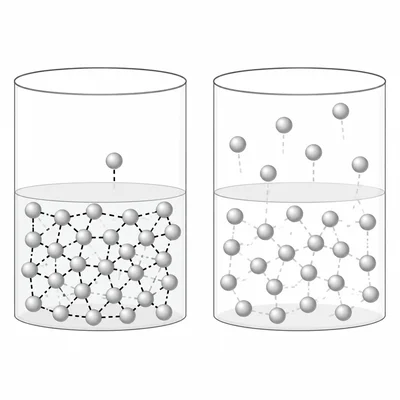
A mystery liquid has a boiling point of 80 degrees C, while another similar-sized liquid has a boiling point of 10 degrees C. Which liquid likely has stronger intermolecular forces? Explain.
- 14
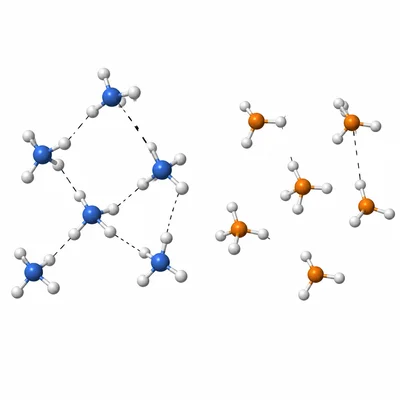
Explain why ammonia, NH3, has a higher boiling point than phosphine, PH3, even though PH3 has a greater molar mass.
- 15
A student is comparing two molecules: molecule A is nonpolar with a molar mass of 58 g/mol, and molecule B is polar with a molar mass of 30 g/mol. The student claims molecule B must always have the higher boiling point because it is polar. Evaluate the claim.