Practice understanding air quality, smog, pollution sources, health effects, and ways communities can reduce air pollution.
Read each problem carefully. Write your answers in complete sentences when asked. Show your thinking in the space provided.
Learning how air pollution forms and how people can help keep air clean
Environmental Science - Grade 4-5
- 1
Air is a mixture of gases around Earth. Explain what air quality means in your own words.
- 2
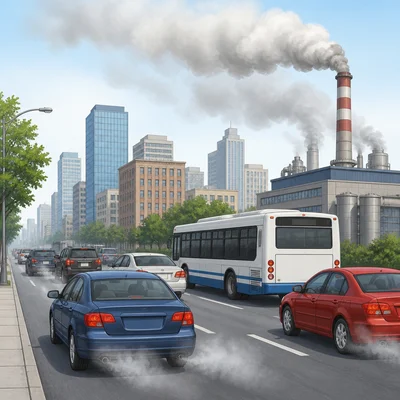
List two common sources of air pollution in a city.
- 3
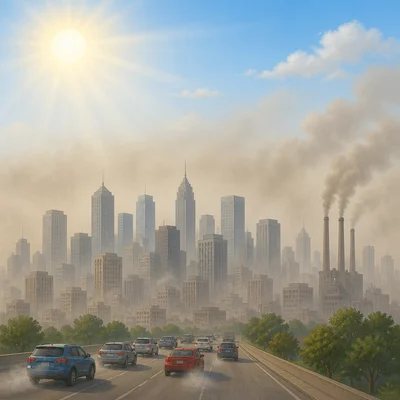
Smog often looks like a brown or gray haze over a city. What is smog made from?
- 4
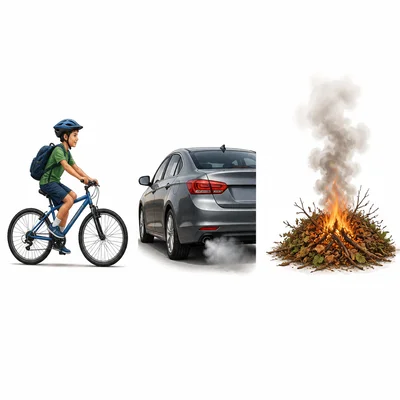
Circle the activity that helps improve air quality: A. Riding a bike to school, B. Leaving a car engine running while parked, C. Burning trash in a yard. Explain your choice.
- 5
A student says, "Air pollution only hurts people who live next to factories." Explain why this idea is not correct.
- 6
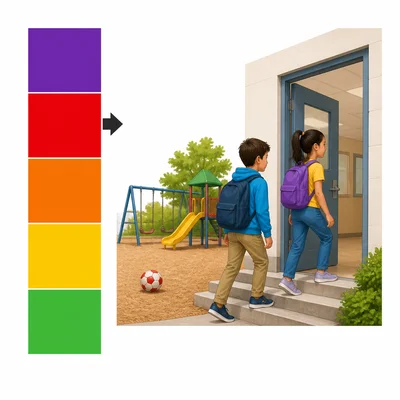
Look at an Air Quality Index chart. Green means good, yellow means moderate, orange means unhealthy for sensitive groups, red means unhealthy, and purple means very unhealthy. If the AQI color is red, what should children do during recess?
- 7
Name one group of people who might be more affected by poor air quality and explain why.
- 8
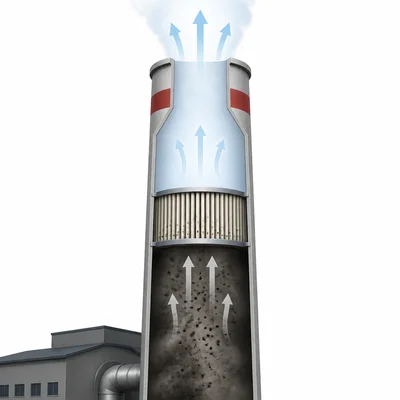
A factory installs a filter that catches tiny particles before they leave the smokestack. How can this help the environment?
- 9
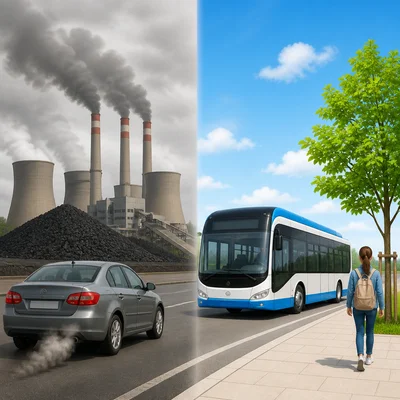
Sort these items into two groups: causes more air pollution and causes less air pollution. Items: gasoline car, electric bus, walking, coal power plant.
- 10
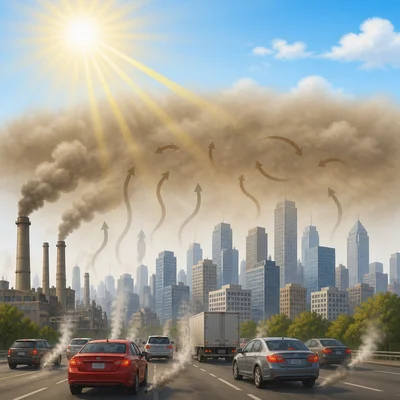
On a hot sunny day, some pollutants can react in the air and make smog worse. Why can smog be worse in the afternoon than in the early morning?
- 11
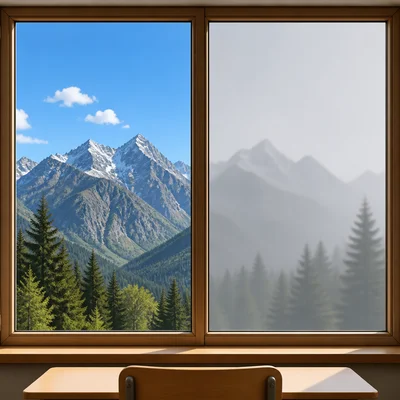
A class measures visibility from the school window. On Monday they can see a mountain far away. On Tuesday the mountain looks blurry behind a gray haze. What might the gray haze show about the air on Tuesday?
- 12
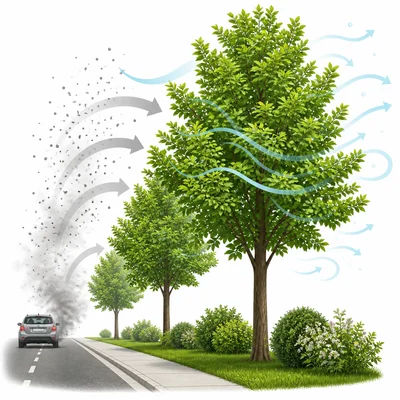
Explain how planting trees can help air quality.
- 13
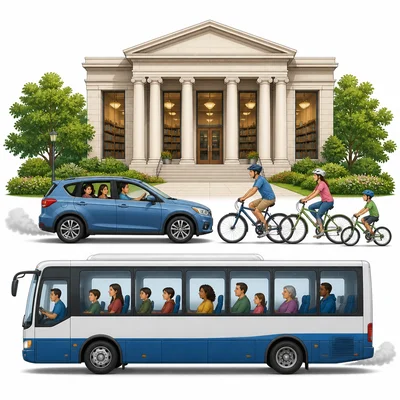
A family needs to go to the library. They can drive one car, ride bikes, or take a bus with many other people. Which choice would likely make the least air pollution, and why?
- 14
Write one rule a school could follow on poor air quality days to help protect students.
- 15
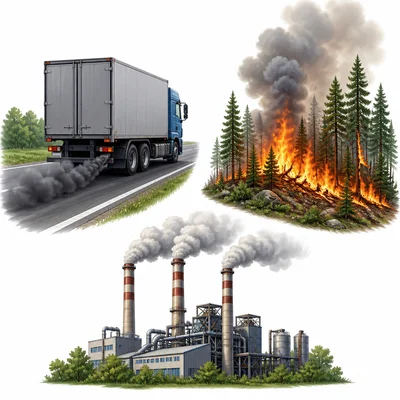
The picture shows three pollution sources: a truck, a wildfire, and a factory. Choose one source and describe one way people could reduce the pollution from it.