Graphs for Kids Lab
Set counts for four categories, watch the bar graph update live, and record which group has the most and fewest. Practice real data literacy skills used by scientists every day.
Guided ExperimentReading Bar Graphs
Before you change any counts, which category do you think will end up with the most? Write your prediction.
Write your hypothesis in the Lab Report panel, then click Next.
Build Your Bar Graph
Controls
Data Table
(0 rows)| # | Category | Count | Most / Least | Diff from Max |
|---|
Reference Guide
Reading Bar Graphs
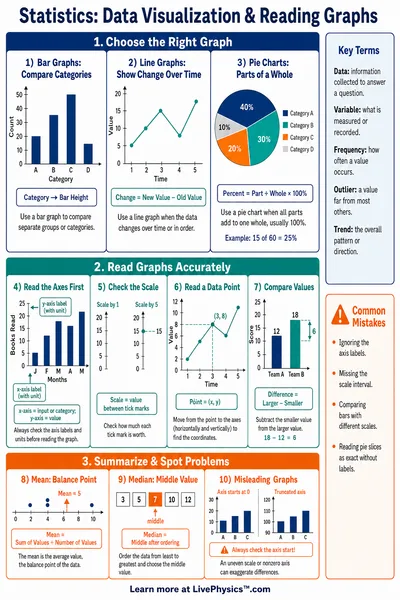
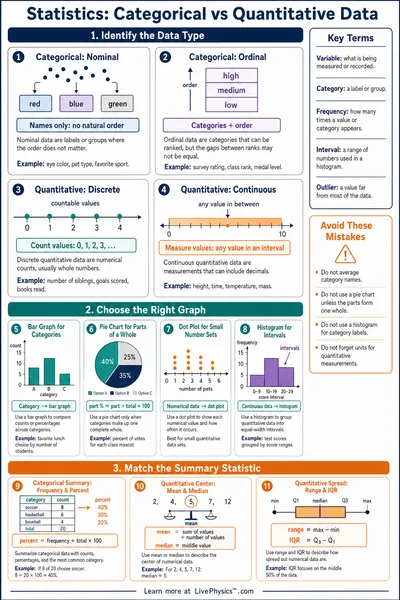
A bar graph uses rectangular bars to show how many items are in each category. Each bar height matches the count for that group.
The tallest bar holds the most items. The shortest bar holds the fewest. The y-axis shows the number scale so you can read exact values.
Comparing Bars
To compare two categories, look at how the bar heights differ. A taller bar means more items in that group.
You can compare any two bars side by side. If the bars are the same height, both categories have equal counts.
Finding the Difference
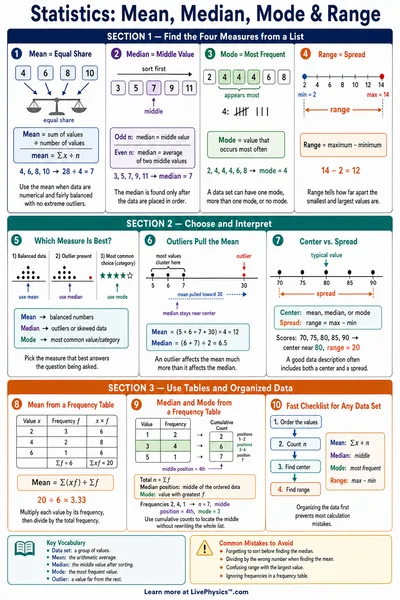
The difference between two categories is found by subtracting the smaller count from the larger count.
For example, if one category has 12 and another has 5, the difference is 12 minus 5, which equals 7.
What Data Tells Us
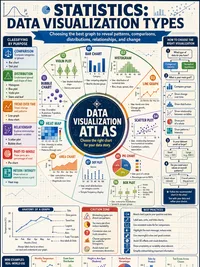
Graphs help us see patterns that are hard to notice in a list of numbers. The shape of the graph tells a story about the data.
Scientists, teachers, and businesses use bar graphs to make decisions based on what the data shows.