Learn how deforestation and pollution can damage habitats and what people can do to help protect living things.
Read each problem carefully. Answer in complete sentences when needed. Show your thinking in the space provided.
How human actions affect forests, water, air, and wildlife
Environmental Science - Grade 4-5
- 1
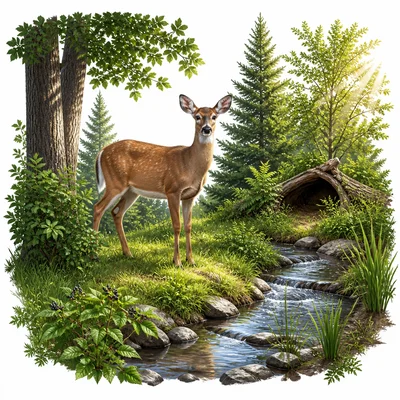
Define habitat in your own words. Then name one animal and the habitat where it lives.
- 2
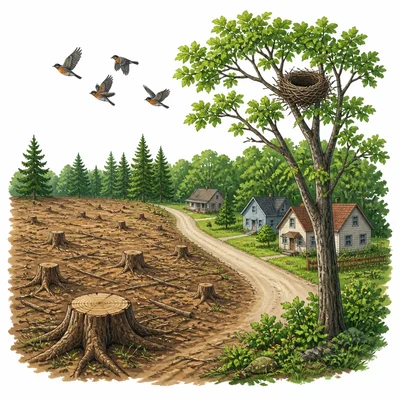
A forest is cleared to build new roads and houses. Explain one way this deforestation could affect birds that live in the forest.
- 3
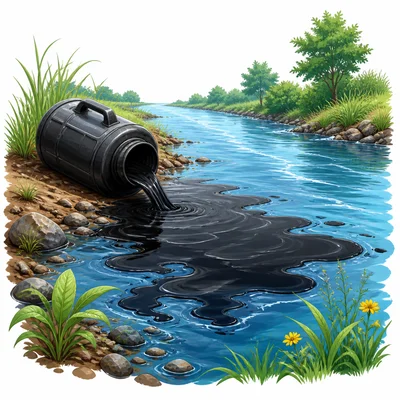
Circle the action that is an example of pollution: planting new trees, spilling oil into a river, picking up trash, or using a reusable bottle. Explain your choice.
- 4
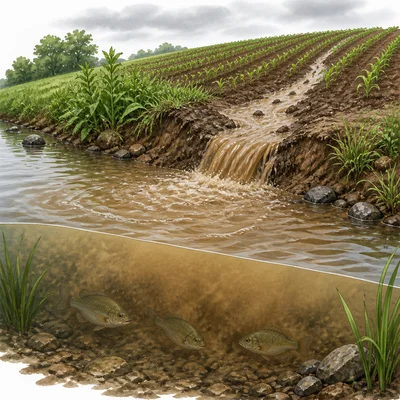
A stream near a farm becomes muddy after heavy rain washes loose soil into the water. Describe one problem this can cause for fish.
- 5
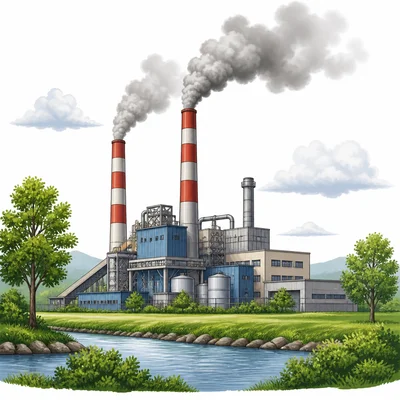
Write D for deforestation, P for pollution, or B for both: A factory releases smoke into the air.
- 6
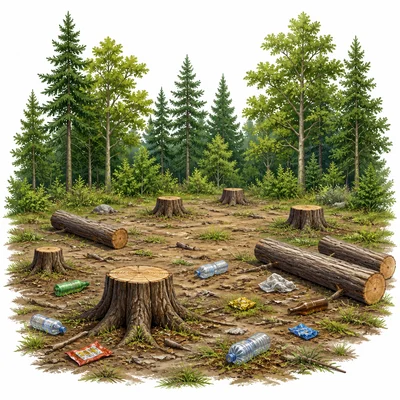
Write D for deforestation, P for pollution, or B for both: Trees are cut down and trash is left in the forest.
- 7
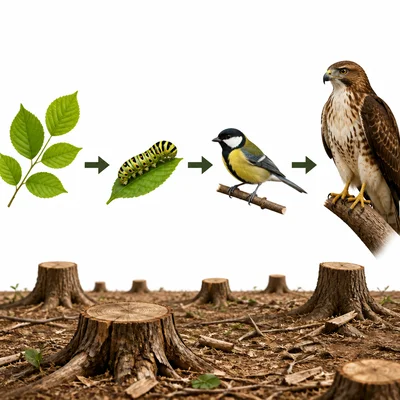
In a forest food chain, leaves are eaten by caterpillars, caterpillars are eaten by birds, and birds are eaten by hawks. Predict what could happen if many trees are cut down.
- 8
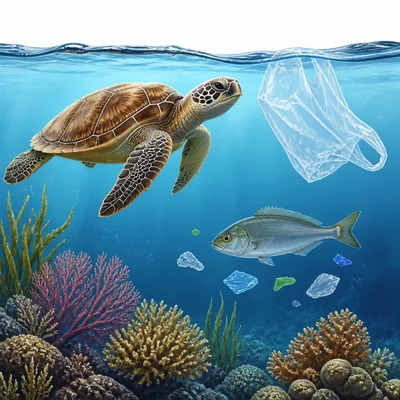
List two ways plastic pollution can harm ocean animals.
- 9
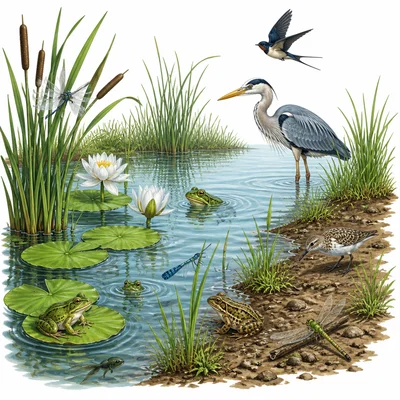
A city wants to protect a small wetland where frogs, insects, and birds live. Give one reason wetlands are important habitats.
- 10
Read the data: Before logging, a forest had 80 deer. After logging, it had 45 deer. How many fewer deer were counted after logging?
- 11
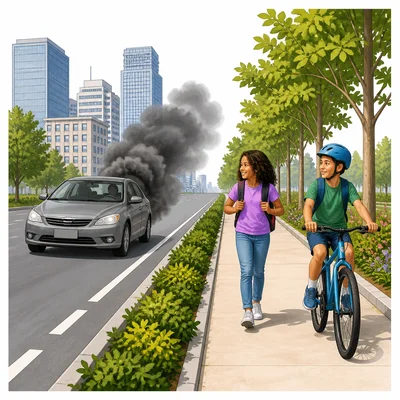
Choose the best solution for reducing air pollution from cars: drive more short trips alone, walk or bike when possible, leave the engine running when parked, or throw trash in the street. Explain your answer.
- 12
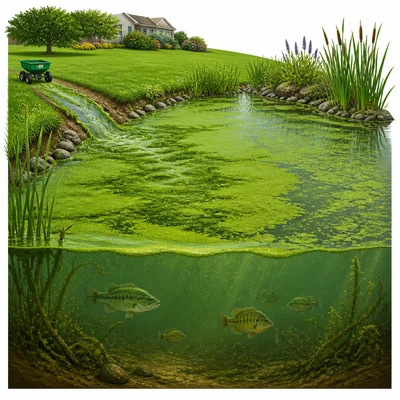
A pond receives fertilizer runoff from nearby lawns. The extra fertilizer makes algae grow quickly across the water surface. Explain how this can hurt pond life.
- 13
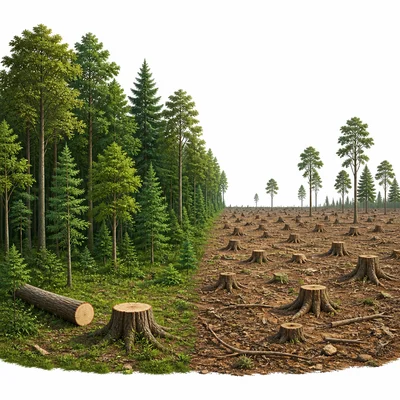
Explain the difference between cutting one tree for wood and clearing a large forest area.
- 14
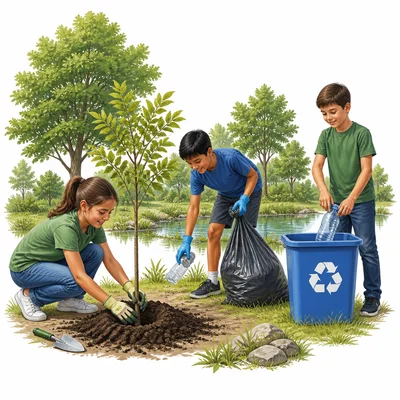
Name three actions students can take to help protect habitats from pollution or deforestation.
- 15
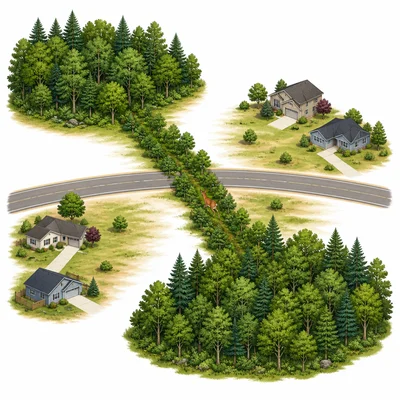
Look at a forest edge where some trees remain and some land has been cleared. Explain why animals may need habitat corridors to move safely between forest areas.