Practice identifying ways to protect plants, animals, and the habitats they need to survive.
Read each problem carefully. Write your answer in complete sentences when you can. Show your thinking in the space provided.
Simple ways people can help living things stay safe
Environmental Science - Grade 2-3
- 1
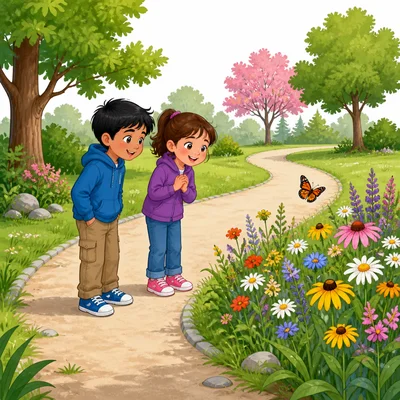
A class visits a park and sees wildflowers growing near the path. What is one way the students can protect the flowers?
- 2
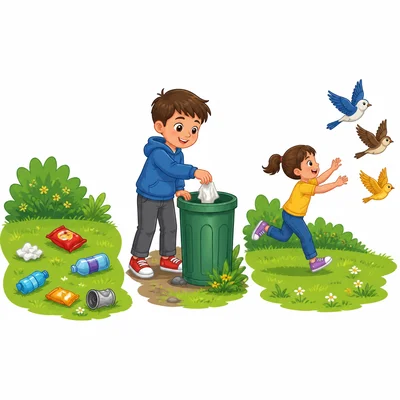
Circle the action that helps animals: leaving trash on the ground, putting trash in a bin, or chasing birds.
- 3
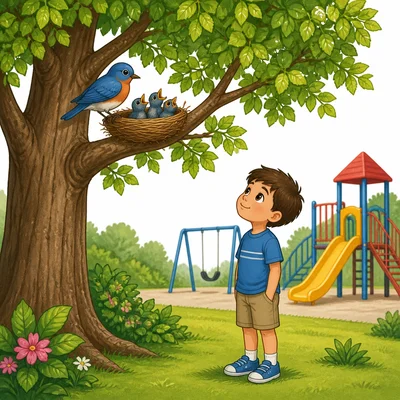
A bird builds a nest in a tree near a playground. Why should people leave the nest alone?
- 4
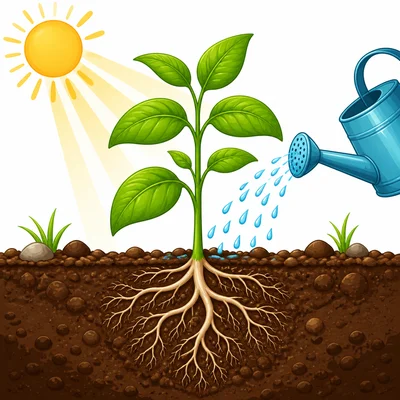
Name two things plants need to grow and stay healthy.
- 5
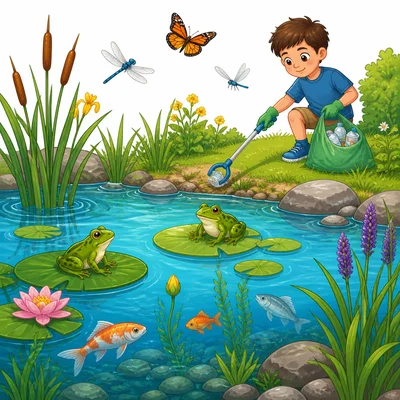
A pond has frogs, fish, insects, and plants. How can people help keep the pond a safe habitat?
- 6
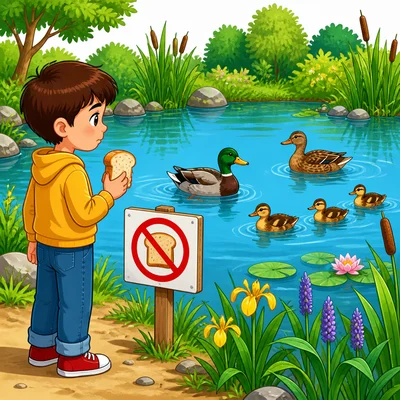
A sign says, 'Do not feed the ducks.' Explain why feeding wild ducks people food can be harmful.
- 7
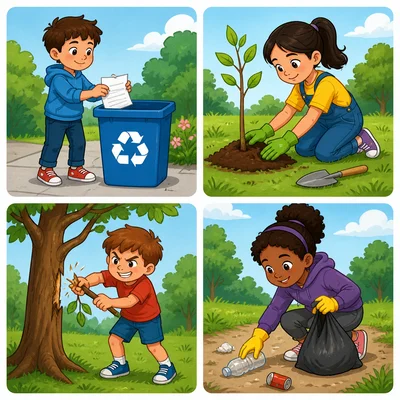
Look at this list: recycle paper, plant a tree, break branches off a tree, pick up litter. Which action does not protect plants or animals?
- 8
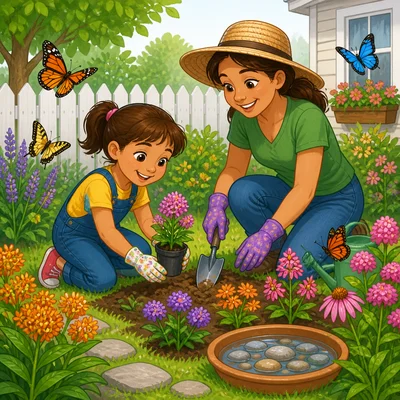
A family wants to make their yard better for butterflies. What is one helpful thing they can do?
- 9
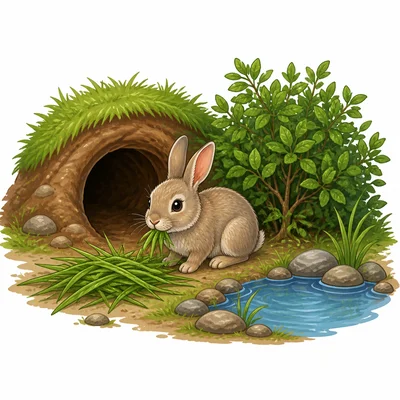
What is a habitat?
- 10
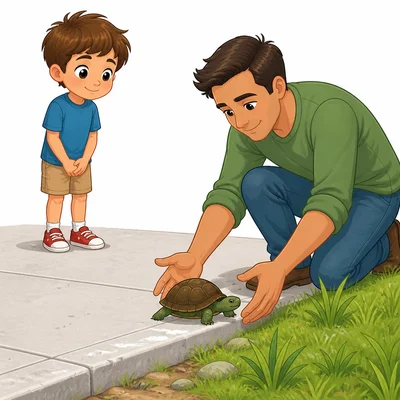
A student finds a small turtle crossing a sidewalk. What is a safe way to help?
- 11
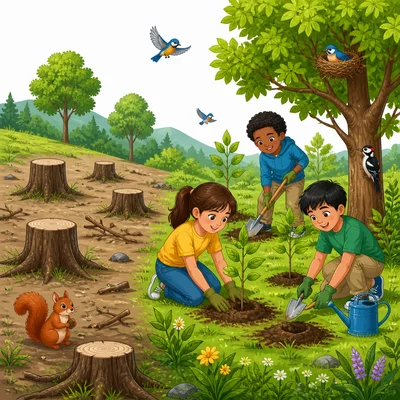
Why is it important to plant new trees when many trees are cut down?
- 12
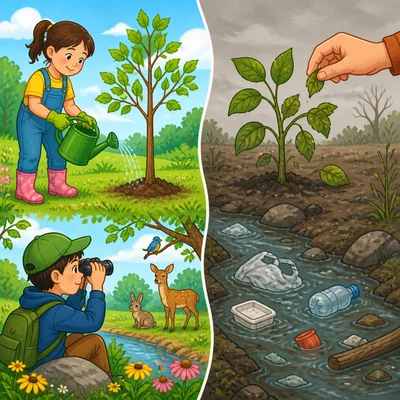
Sort these actions into helpful or harmful: watering a young tree, throwing plastic in a stream, watching animals from far away, pulling leaves off plants.
- 13
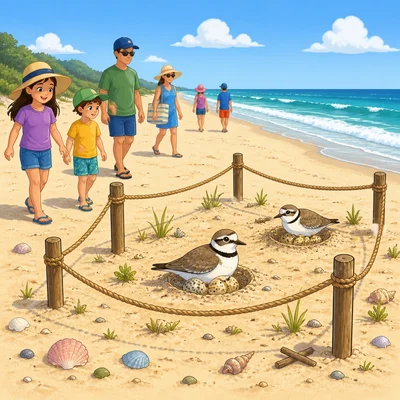
A beach has a sign asking visitors to stay away from roped-off sand where birds are nesting. How does the rope protect the birds?
- 14
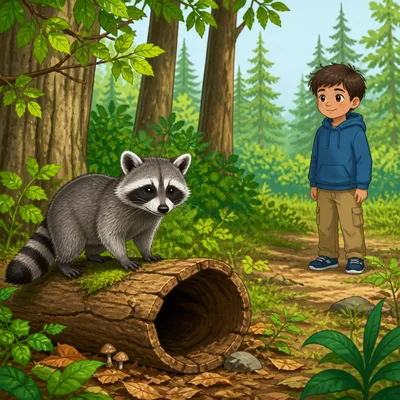
Explain one reason people should not take wild animals home as pets.
- 15
Write one promise you can make to help protect plants and animals in your neighborhood.