Learn how the immune system protects the body from pathogens and helps prevent illness.
Read each problem carefully. Use complete sentences and show your thinking in the space provided.
Understanding body defenses, white blood cells, antibodies, and vaccines
Health - Grade 6-8
- 1
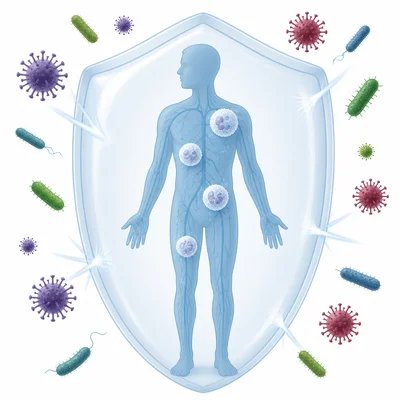
Explain the main job of the immune system.
- 2
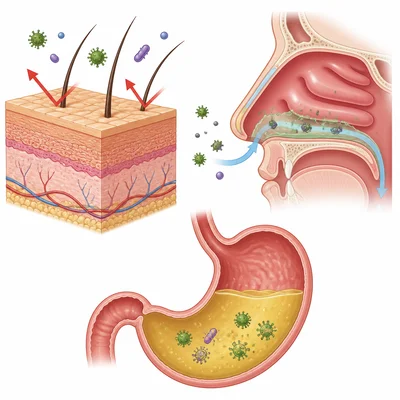
List two physical or chemical barriers that help keep pathogens out of the body. Explain how each one helps.
- 3
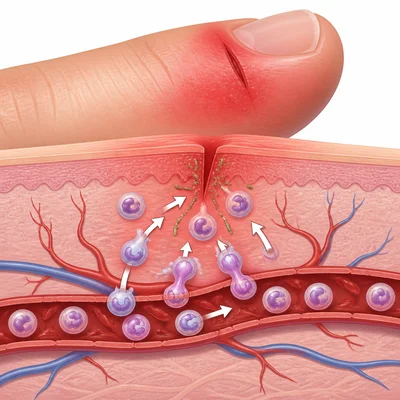
A student gets a small cut on their finger. The area becomes red, warm, and slightly swollen. What immune response is happening, and why is it useful?
- 4
Complete this comparison: Innate immunity is different from adaptive immunity because innate immunity responds quickly and generally, while adaptive immunity...
- 5
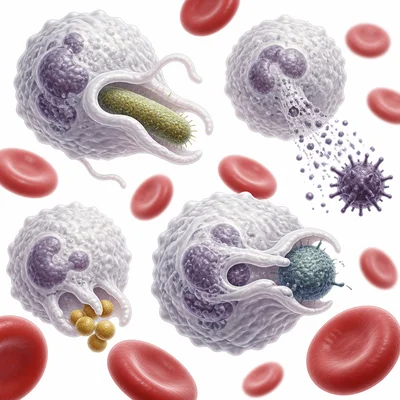
Describe the role of white blood cells in fighting disease.
- 6
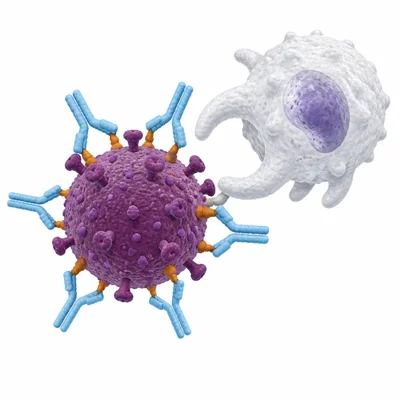
What are antibodies, and how do they help the immune system?
- 7
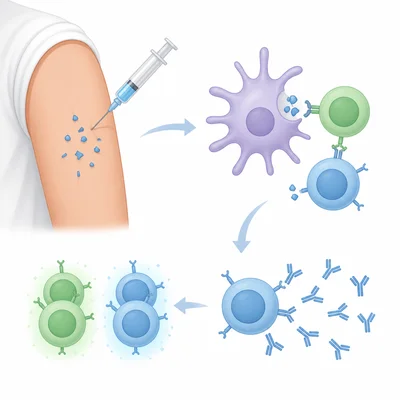
A vaccine contains a weakened, killed, or small harmless part of a pathogen. Explain how a vaccine can help protect a person from a future infection.
- 8
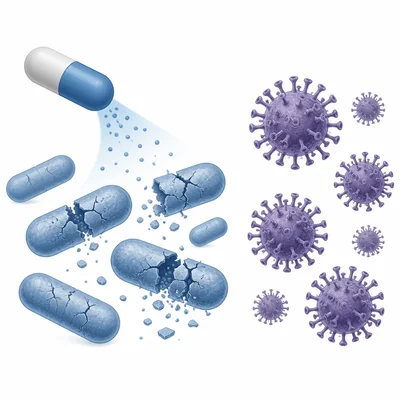
Explain why antibiotics are usually not used to treat viral infections such as the common cold.
- 9
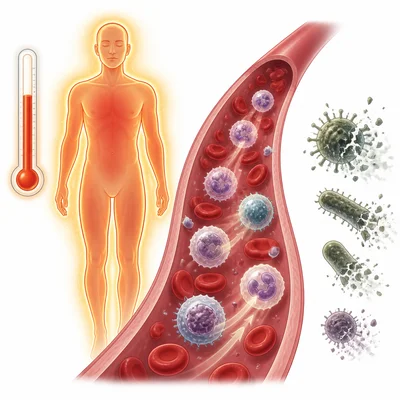
A person has a fever during an infection. Explain one way a fever can be part of the body's defense.
- 10
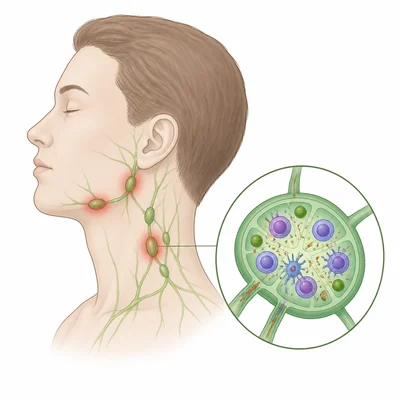
The lymph nodes in a person's neck feel swollen when they are sick. What might this show about the immune system?
- 11
Sort each item as a pathogen or not a pathogen: influenza virus, pollen, Salmonella bacteria, dust, athlete's foot fungus.
- 12
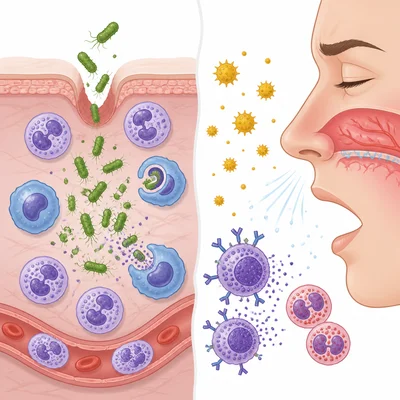
Explain the difference between an infection and an allergic reaction.
- 13
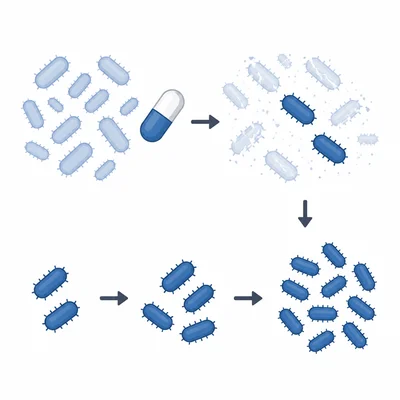
A classmate says, "If I feel better after one day of antibiotics, I can stop taking them." Explain why this can be unsafe.
- 14
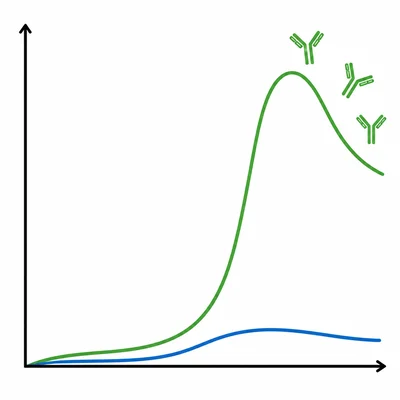
Look at a simple model of immune memory: The first exposure to a pathogen produces a slow antibody response. The second exposure produces a faster and stronger antibody response. Explain why the second response is faster.
- 15
Write three healthy habits that can support the immune system and lower the spread of disease. Explain why one of the habits helps.