Practice analyzing tragic structure, dramatic techniques, character development, and thematic meaning in plays commonly studied in AP Literature.
Read each problem carefully. Use specific dramatic terms and explain how structure, character, and theatrical choices create meaning.
Analyzing tragedy, dramatic form, and literary meaning
Language Arts - Grade 9-12
- 1
In literary tragedy, explain the difference between a tragic event and a tragic structure.
- 2
Define hamartia, peripeteia, anagnorisis, and catharsis in the context of tragedy.
- 3
A respected ruler ignores warnings because he believes his judgment is always superior. His attempt to protect the city leads to a revelation that destroys his family and authority. Identify one likely tragic element in this situation and explain it.
- 4
Explain why calling hamartia a simple fatal flaw can be misleading in AP Literature analysis.
- 5
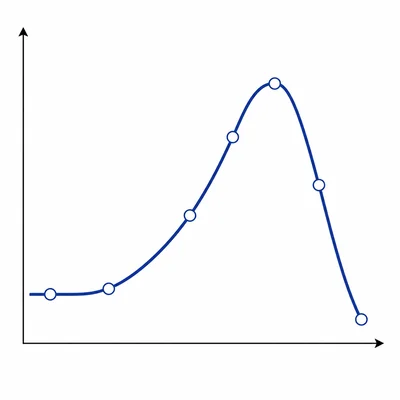
Use a tragic structure model to describe how exposition, rising action, climax, reversal, recognition, and catastrophe might appear in a tragedy.
- 6
Read this brief dramatic moment: A prince tells the audience that he plans to appear loyal to the king, but in the next scene he praises the king in public. Explain how this creates dramatic irony.
- 7
What is the function of a chorus or chorus-like figure in a tragedy? Give two possible functions.
- 8
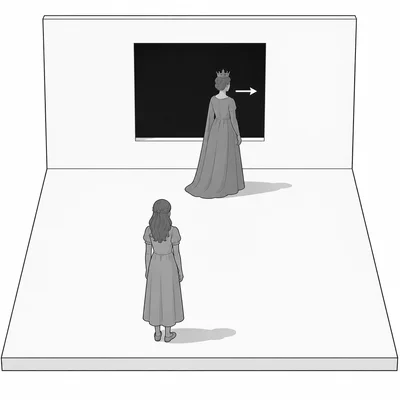
Read this stage direction: The queen crosses to the darkened window and speaks without turning toward her son. Explain how the stage direction could shape the audience's understanding of the scene.
- 9
In Macbeth, Macbeth gains the crown he desires, but this success leads to paranoia, violence, and isolation. Explain how this pattern reflects peripeteia.
- 10
Compare classical tragedy and modern tragedy by naming one feature they may share and one way they may differ.
- 11
Explain how catharsis is more than simply feeling sad at the end of a tragic play.
- 12
A character finally realizes that the enemy he condemned was innocent and that his own decree caused the disaster. Identify the tragic term that best fits this moment and explain why.
- 13
Evaluate this claim: In tragedy, the hero is always punished because the hero is morally bad. Write a brief response that qualifies or challenges the claim.
- 14
Explain how a foil character can strengthen the tragic structure of a play.
- 15
Write a defensible AP Literature thesis for this prompt: In a tragedy you have studied, analyze how the protagonist's downfall contributes to the meaning of the work as a whole.