Analyze how neurons, neurotransmitters, brain structures, and nervous system divisions contribute to thought, emotion, and behavior.
Read each problem carefully. Use psychological and biological terms accurately. Show your reasoning in the space provided.
Neural communication, brain structures, and behavior
Psychology - Grade advanced
- 1
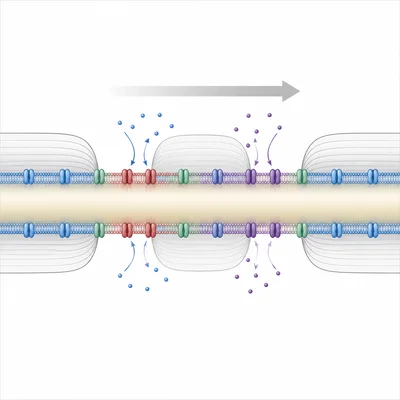
Explain how an action potential is generated and transmitted along an axon. Include resting potential, depolarization, repolarization, and the all-or-none principle in your explanation.
- 2
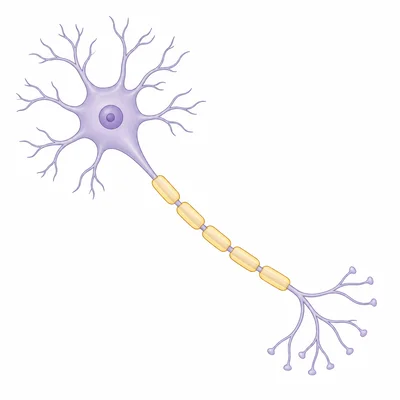
Compare the roles of dendrites, the soma, the axon, and axon terminals in neural communication.
- 3
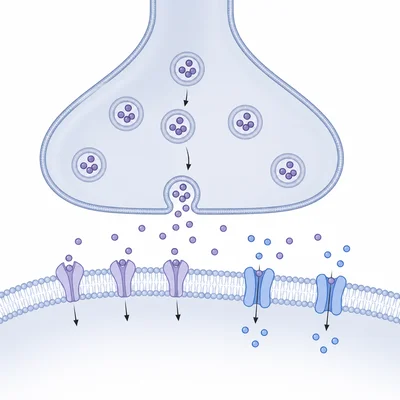
Describe the process of synaptic transmission from the arrival of an action potential at the axon terminal to the effect on the postsynaptic neuron.
- 4
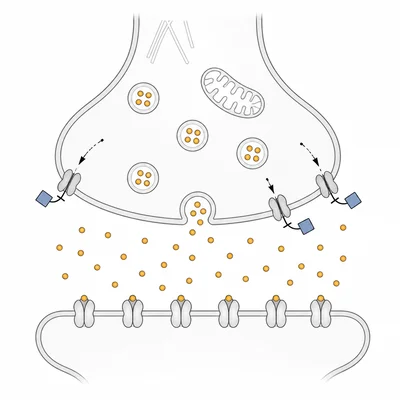
A medication blocks dopamine reuptake in the synapse. Predict how this medication would affect dopamine signaling and explain one possible behavioral effect.
- 5
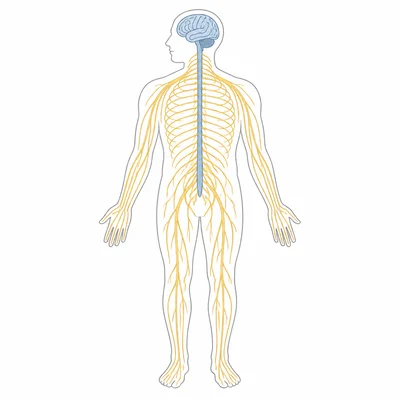
Distinguish between the central nervous system and the peripheral nervous system. Give one example of a structure in each system.
- 6
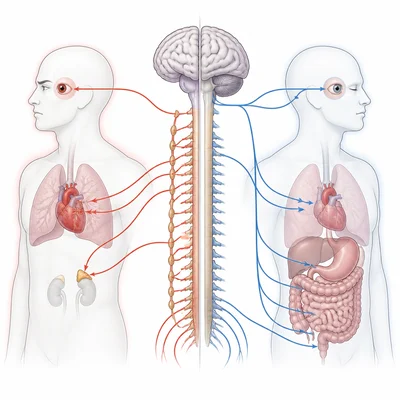
Compare the sympathetic and parasympathetic divisions of the autonomic nervous system. Use a stressful event and a recovery period as examples.
- 7
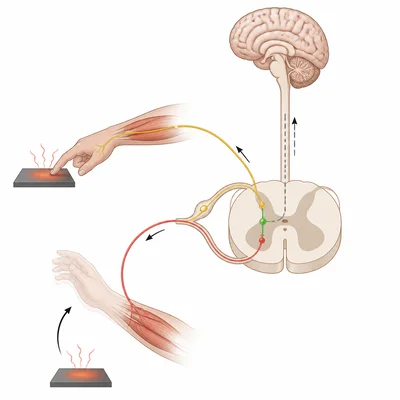
A person touches a hot stove and pulls their hand away before consciously feeling pain. Explain how a spinal reflex can occur without initial conscious processing by the brain.
- 8
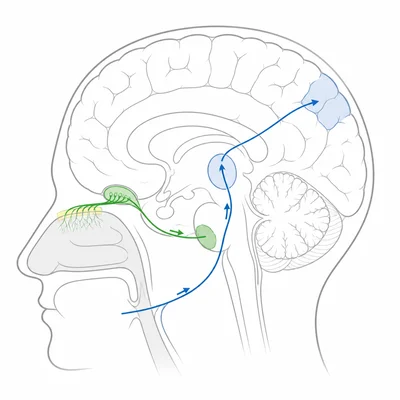
Explain how the thalamus and sensory cortex work together during perception. Include one exception to thalamic relay in your answer.
- 9
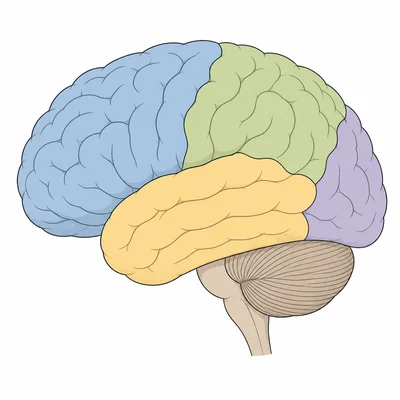
Identify the primary functions of the frontal lobe, parietal lobe, temporal lobe, and occipital lobe.
- 10
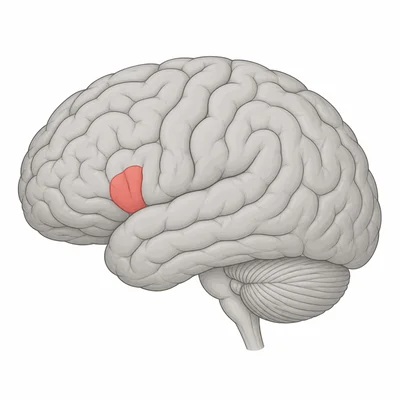
A patient has difficulty producing fluent speech but can understand spoken language fairly well. Which brain area is likely affected, and why?
- 11
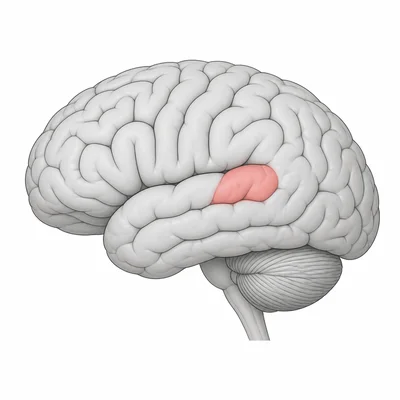
A patient speaks fluently but uses words that do not make sense and has difficulty understanding others. Which brain area is likely affected, and why?
- 12
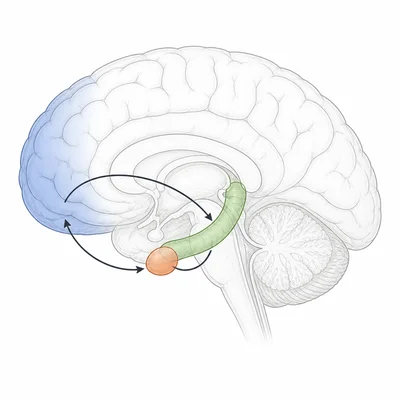
Explain how the hippocampus, amygdala, and prefrontal cortex may interact when a person forms a vivid memory of a frightening event.
- 13
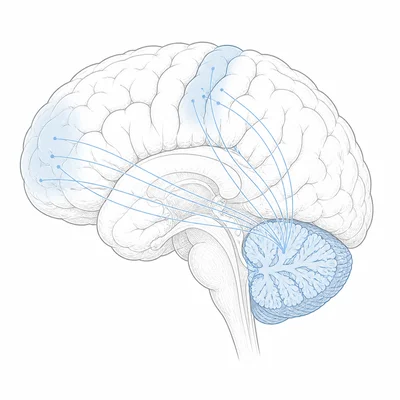
Describe the role of the cerebellum in behavior. Include both motor and cognitive contributions.
- 14
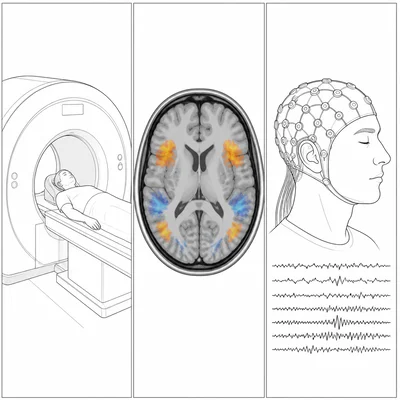
Compare an MRI scan, an fMRI scan, and an EEG. Explain one strength of each method for studying the brain.
- 15
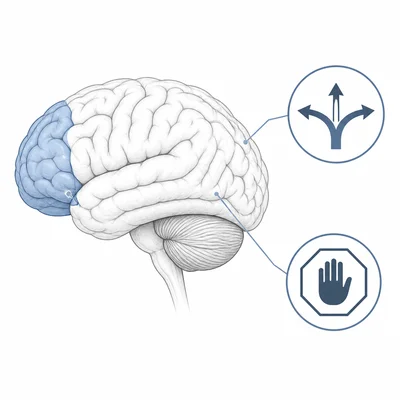
A teenager has damage to the prefrontal cortex after a head injury. Predict two changes in behavior or cognition that might occur and explain why.