Practice applying major theories of motivation and emotion to real-life situations, research examples, and psychological concepts.
Read each problem carefully. Use complete sentences and support your answers with psychological concepts when appropriate.
Exploring why people act and how feelings influence behavior
Psychology - Grade 9-12
- 1
Define motivation in psychology and give one example of a motivated behavior.
- 2
A student practices guitar because they enjoy learning new songs, not because anyone is rewarding them. Is this intrinsic motivation or extrinsic motivation? Explain your answer.
- 3
A teenager works extra hours at a part-time job to save money for a new phone. Explain how incentive theory would describe this behavior.
- 4
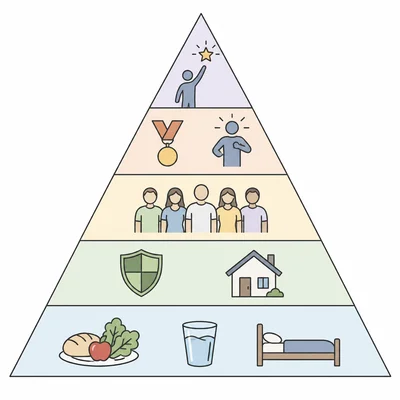
Use Maslow's hierarchy of needs to explain why a student who is hungry and worried about having a safe place to sleep might have trouble focusing on self-esteem or academic goals.
- 5
According to drive-reduction theory, why might a person drink water after exercising on a hot day?
- 6
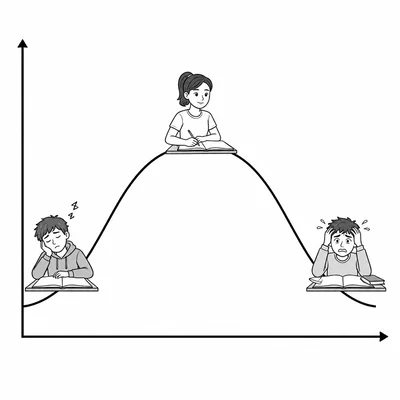
The Yerkes-Dodson law describes the relationship between arousal and performance. Explain why a little anxiety may help a student during a quiz, while too much anxiety may hurt performance.
- 7
Give one example of how autonomy, competence, or relatedness could increase a student's motivation according to self-determination theory.
- 8
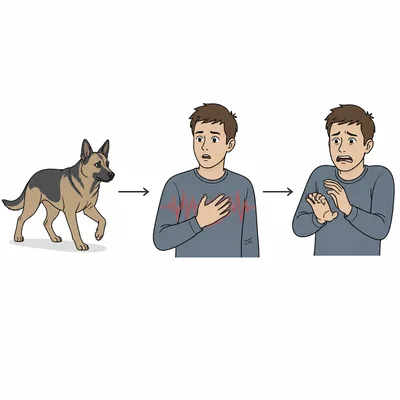
A runner feels their heart pounding and then realizes they feel afraid after seeing a dog running toward them. Which emotion theory best matches this sequence: James-Lange, Cannon-Bard, or Schachter-Singer? Explain.
- 9
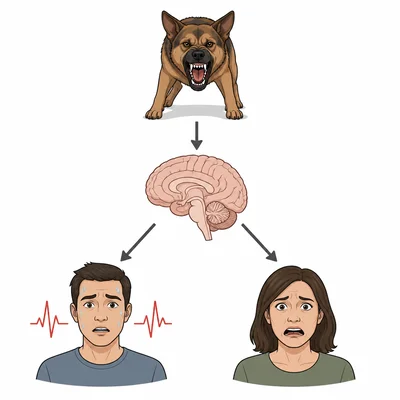
According to Cannon-Bard theory, what happens when a person sees a frightening stimulus?
- 10
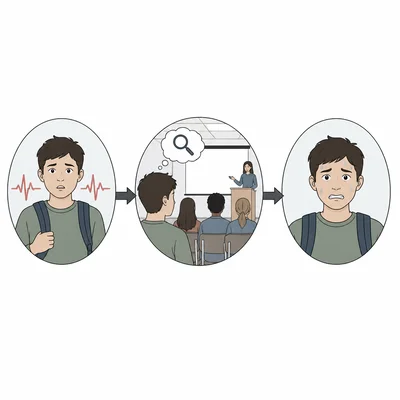
A student feels their heart racing before giving a speech. They look around, remember they are about to speak in front of the class, and label the feeling as nervousness. How does the Schachter-Singer two-factor theory explain this emotion?
- 11
Explain the role of cognitive appraisal in emotion using an example from school, sports, or friendships.
- 12
Identify two basic emotions that many psychologists consider widely recognized across cultures, and explain why this idea matters.
- 13
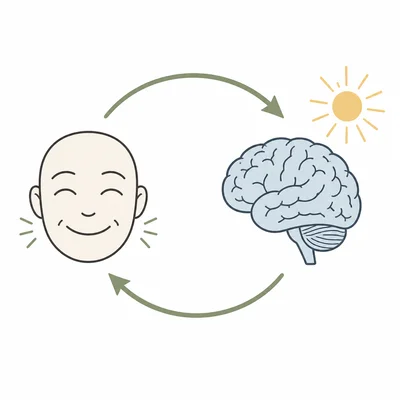
What is the facial feedback hypothesis? Give one example of how it might work.
- 14
A person wants to improve achievement motivation for a long-term goal, such as preparing for college, training for a sport, or learning a skill. Describe two strategies that could help.
- 15
Compare motivation and emotion. Explain how they are different and how they can influence each other.