Practice explaining how the DSM is used to classify psychological disorders, evaluate its strengths and limits, and apply careful reasoning to mental health examples.
Read each problem carefully. Use complete sentences and avoid diagnosing real people. Focus on concepts, evidence, and respectful language.
Classifying disorders while thinking critically and ethically
Psychology - Grade 9-12
- 1
In your own words, explain the main purpose of the DSM in psychology and psychiatry.
- 2
The DSM lists symptoms and criteria for disorders. Explain why a symptom checklist alone is not enough to fully understand a person’s mental health.
- 3
Define clinically significant distress or impairment. Give one school, work, or relationship example.
- 4
A student feels nervous before a major test, studies late, and has trouble sleeping the night before. Explain why this situation alone would usually not be enough to identify a psychological disorder.
- 5
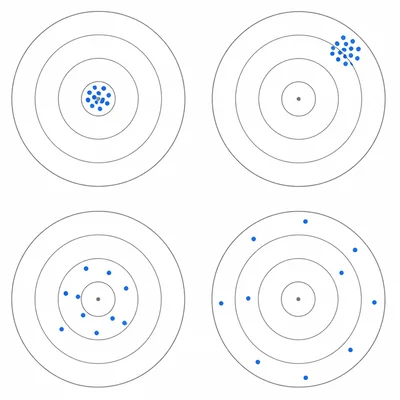
Compare reliability and validity in the context of DSM diagnoses.
- 6
Explain why cultural context matters when evaluating whether a behavior is part of a psychological disorder.
- 7
The DSM uses categories, such as depressive disorders and anxiety disorders. Describe one advantage and one limitation of using categories.
- 8
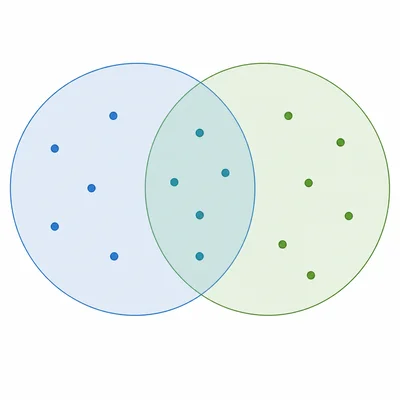
What is comorbidity, and why can it make diagnosis more complex?
- 9
Read the scenario: Jordan has felt sad most days for two weeks after moving to a new city. Jordan still attends school, talks with friends online, and enjoys soccer practice. List two additional types of information a clinician would need before considering a DSM diagnosis.
- 10
Explain differential diagnosis and give a simple example of why it is important.
- 11
Why should people avoid using DSM labels casually, such as calling someone OCD because they like a clean desk?
- 12
Describe how the DSM can be useful for research on psychological disorders.
- 13
Some critics argue that DSM diagnoses can lead to labeling or stigma. Explain this concern and give one way a clinician can reduce the risk.
- 14
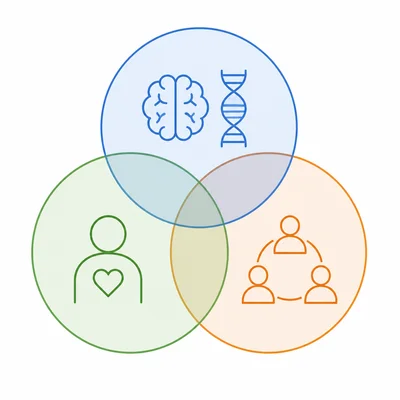
Use the biopsychosocial model to explain why two people with similar DSM symptoms might need different supports.
- 15
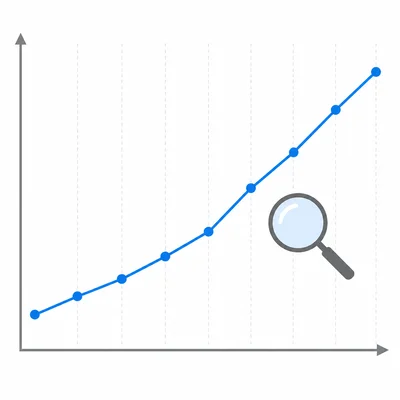
A chart shows that diagnoses of a certain disorder increased over 20 years. Explain two possible reasons for the increase that do not automatically mean the disorder became more common.