Practice identifying animal coverings and explaining how fur, feathers, scales, and shells help animals stay safe, warm, dry, and protected.
Read each problem carefully. Use complete sentences when you explain your thinking.
How body coverings help animals survive
Science - Grade 2-3
- 1

A rabbit has soft fur covering its body. What is one way fur helps the rabbit?
- 2
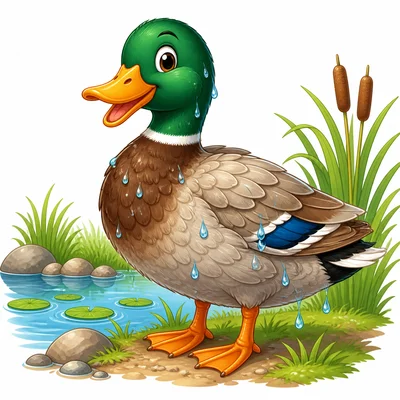
A duck has feathers. What is one way feathers help a duck?
- 3

A fish has scales. How do scales help a fish?
- 4

A turtle has a shell. What is the main job of the turtle's shell?
- 5
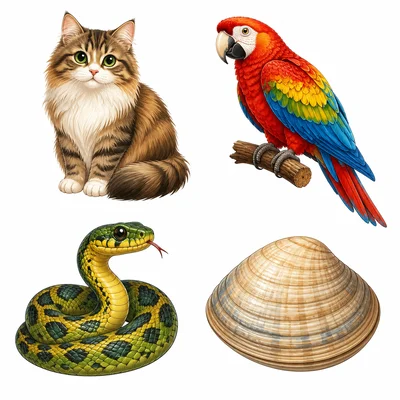
Sort these animals by their body covering: cat, bird, snake, clam. Write fur, feathers, scales, or shell for each animal.
- 6

A polar bear lives in a very cold place. Which body covering helps it stay warm, and why?
- 7

A bird uses its feathers to fly. Name one other way feathers can help a bird.
- 8
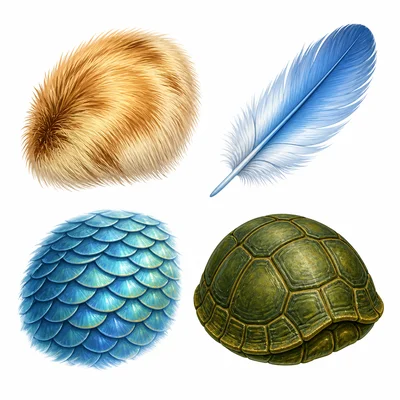
Which animal covering is usually hard: fur, feathers, scales, or shell? Explain your answer.
- 9
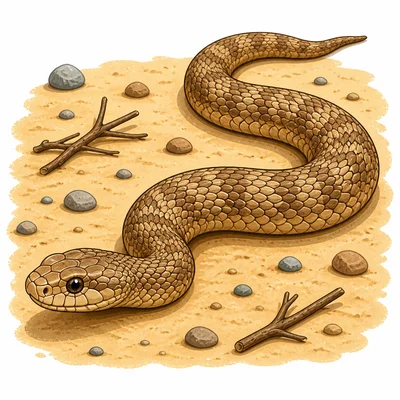
A snake has dry scales. What is one way scales help protect a snake?
- 10

Look at these clues: This animal has feathers, lays eggs, and has a beak. What type of animal covering does it have?
- 11

A snail carries a shell on its back. How can the shell help the snail when it is in danger?
- 12

Complete the sentence: Animals have different coverings because the coverings help them meet their needs. Give one example.
- 13

A dog has fur, and a lizard has scales. How are their body coverings different?
- 14
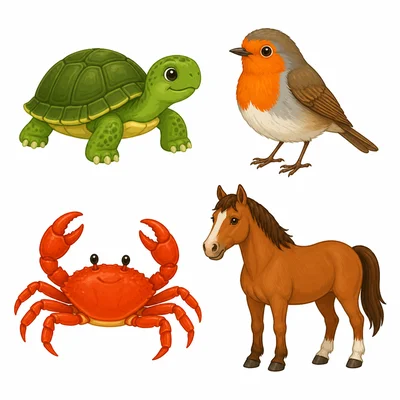
Circle the animals that have shells: turtle, robin, crab, horse. Then explain your choices.
- 15
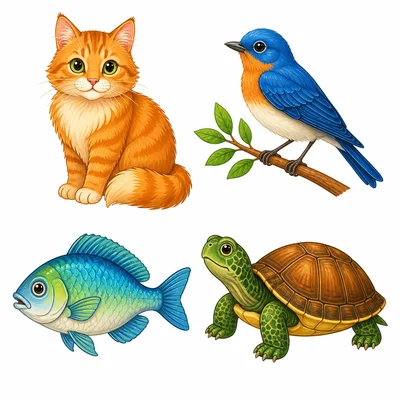
Choose one animal covering: fur, feathers, scales, or shell. Write the name of one animal with that covering and explain how the covering helps it.