Sign in to save

Bookmark this page so you can find it later.

Sign in to save

Bookmark this page so you can find it later.

Earth Science Grade 6-8

Atmospheric Layers and Weather Phenomena

Exploring the structure of the atmosphere and how weather forms

View Answer Key

Practice identifying the layers of Earth's atmosphere and explaining common weather phenomena.

Read each problem carefully. Answer in complete sentences and show your thinking when needed.

Name:
Date:
Score: / 12

Exploring the structure of the atmosphere and how weather forms

Earth Science - Grade 6-8

Instructions: Read each problem carefully. Answer in complete sentences and show your thinking when needed.
  1. 1
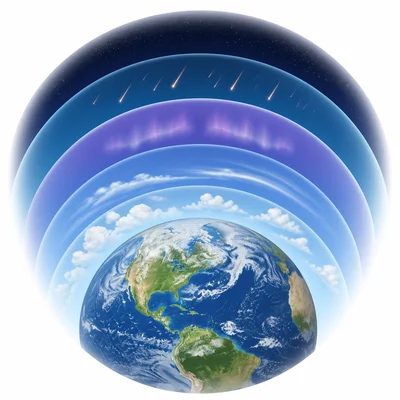
    Earth with five colored atmospheric layers stacked above it.

    List the five main layers of Earth's atmosphere in order from lowest to highest.

  2. 2
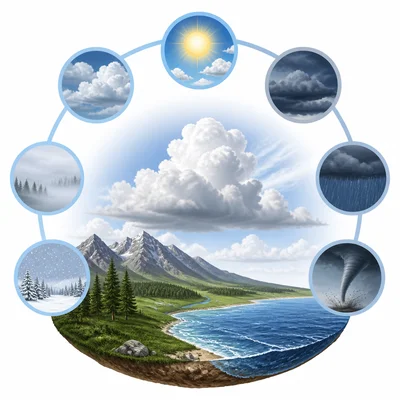
    Weather occurring in the lowest layer of the atmosphere above Earth’s surface.

    In which atmospheric layer does most weather occur, and why does it happen there?

  3. 3
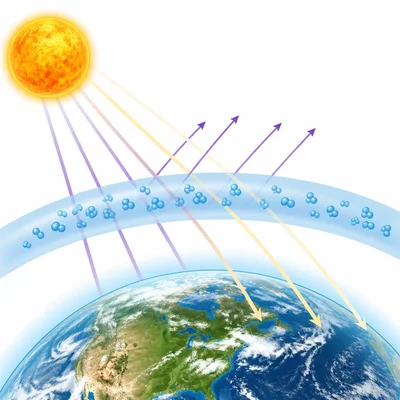
    Ozone layer shown as a protective band blocking some sunlight rays above Earth.

    Explain the role of the ozone layer and identify the atmospheric layer where it is found.

  4. 4
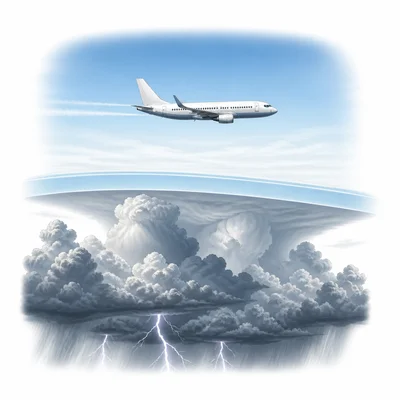
    Airplane flying above storm clouds in a calmer atmospheric layer.

    A student says that airplanes usually fly in the troposphere because that is where storms are strongest. Correct the statement and explain.

  5. 5
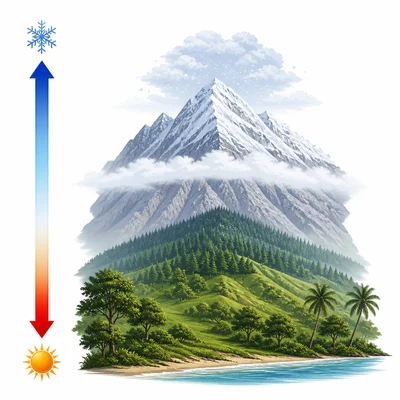
    Temperature shown decreasing from warm low altitude to cold high altitude.

    Describe how temperature changes in the troposphere as altitude increases.

  6. 6
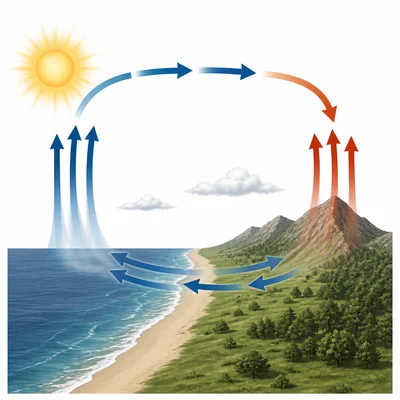
    Uneven heating creates rising warm air, sinking cool air, and wind.

    What causes wind to form?

  7. 7
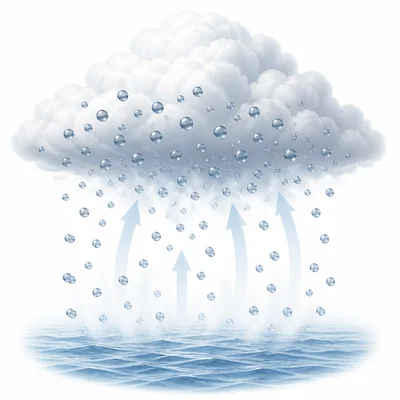
    Water vapor rising and condensing into cloud droplets.

    Explain how clouds form from water vapor in the air.

  8. 8
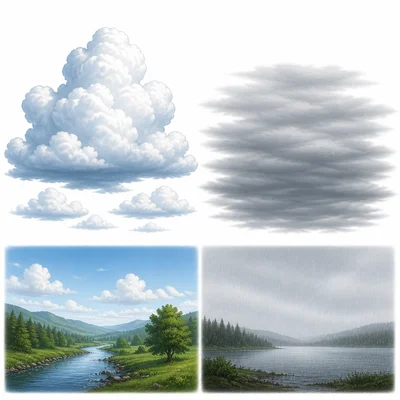
    Puffy cumulus clouds compared with flat stratus clouds and drizzle.

    Compare cumulus clouds and stratus clouds in appearance and the weather they often bring.

  9. 9
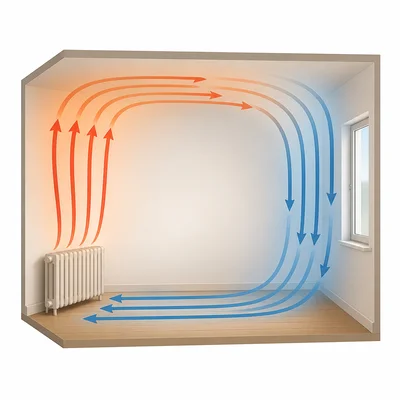
    Warm air rising while cooler denser air sinks.

    Why does warm air usually rise above cold air?

  10. 10
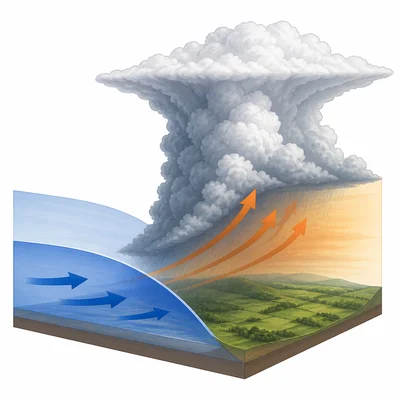
    Cold air wedge lifting warm air to form storm clouds at a cold front.

    Describe what happens at a cold front and name one type of weather it can produce.

  11. 11
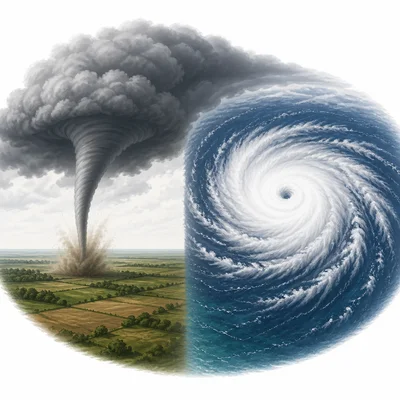
    Tornado funnel over land compared with a spiral hurricane over ocean.

    How is a tornado different from a hurricane?

  12. 12
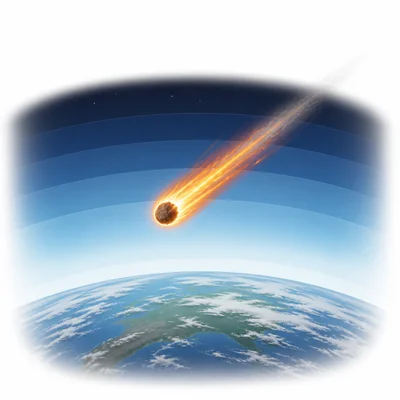
    Meteor burning up in a middle atmospheric layer above Earth.

    Why are meteors most often seen burning up in the mesosphere?

LivePhysics™.com Earth Science - Grade 6-8

More Earth Science Worksheets

See all Earth Science worksheets

More Grade 6-8 Worksheets

See all Grade 6-8 worksheets