Practice AP US History skills by analyzing causes, events, turning points, and consequences of the Civil War Era from 1848 to 1877.
Read each problem carefully. Use specific historical evidence in your responses. Write in complete sentences and explain your reasoning.
Sectional conflict, Civil War, emancipation, and Reconstruction
Social Studies - Grade 9-12
- 1

Explain one way the Mexican-American War intensified sectional conflict in the United States between 1848 and 1850.
- 2
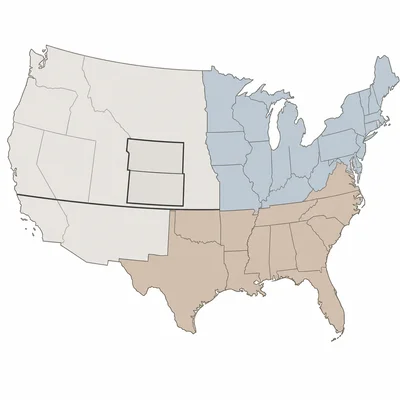
Compare the Missouri Compromise of 1820 with the Kansas-Nebraska Act of 1854. How did the Kansas-Nebraska Act change the earlier approach to slavery in the territories?
- 3
Identify and explain one effect of the Dred Scott v. Sandford decision on national politics.
- 4
Explain why the formation of the Republican Party in the 1850s was significant.
- 5
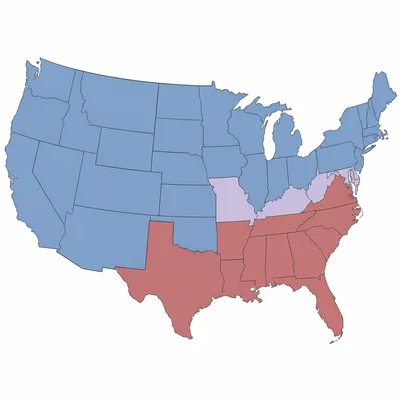
Use the election of 1860 to explain why several Southern states seceded from the Union.
- 6
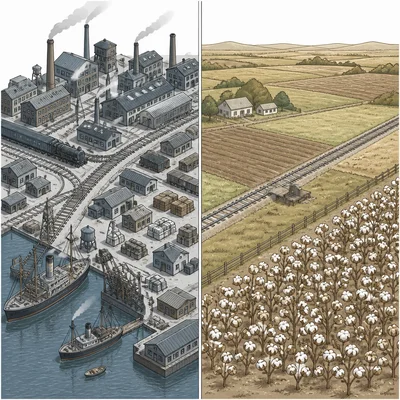
Describe two major advantages the Union had at the beginning of the Civil War and explain how one advantage helped the Union war effort.
- 7
Explain how the Emancipation Proclamation changed the meaning or goals of the Civil War.
- 8
Analyze the importance of African American soldiers in the Union war effort.
- 9
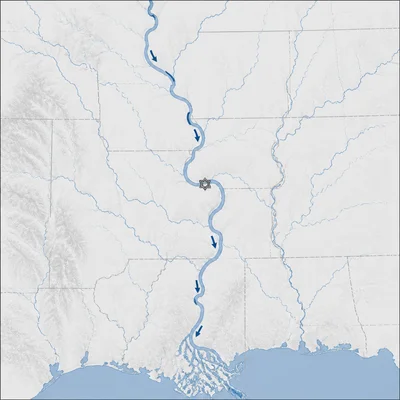
Explain one reason the Battle of Gettysburg or the fall of Vicksburg was a turning point in the Civil War.
- 10
Explain how wartime policies expanded the power of the federal government during the Civil War.
- 11
Identify the purpose of the 13th, 14th, and 15th Amendments. Briefly explain how they changed the Constitution.
- 12
Compare Presidential Reconstruction with Radical Republican Reconstruction.
- 13
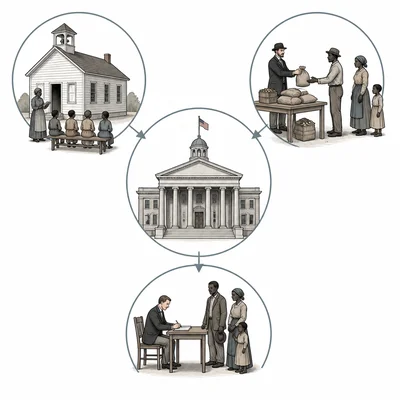
Explain one goal of the Freedmen's Bureau and evaluate one challenge it faced.
- 14
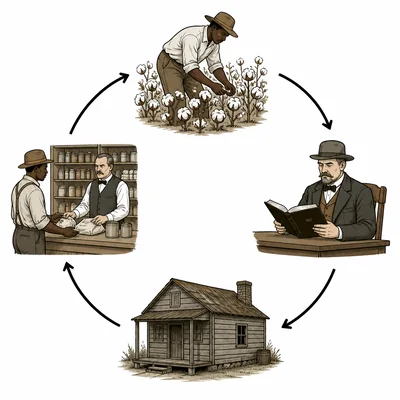
Explain how Black Codes and sharecropping limited the freedom of African Americans after the Civil War.
- 15
Evaluate the extent to which Reconstruction was a success by 1877. Write a defensible thesis statement using at least one specific piece of evidence.